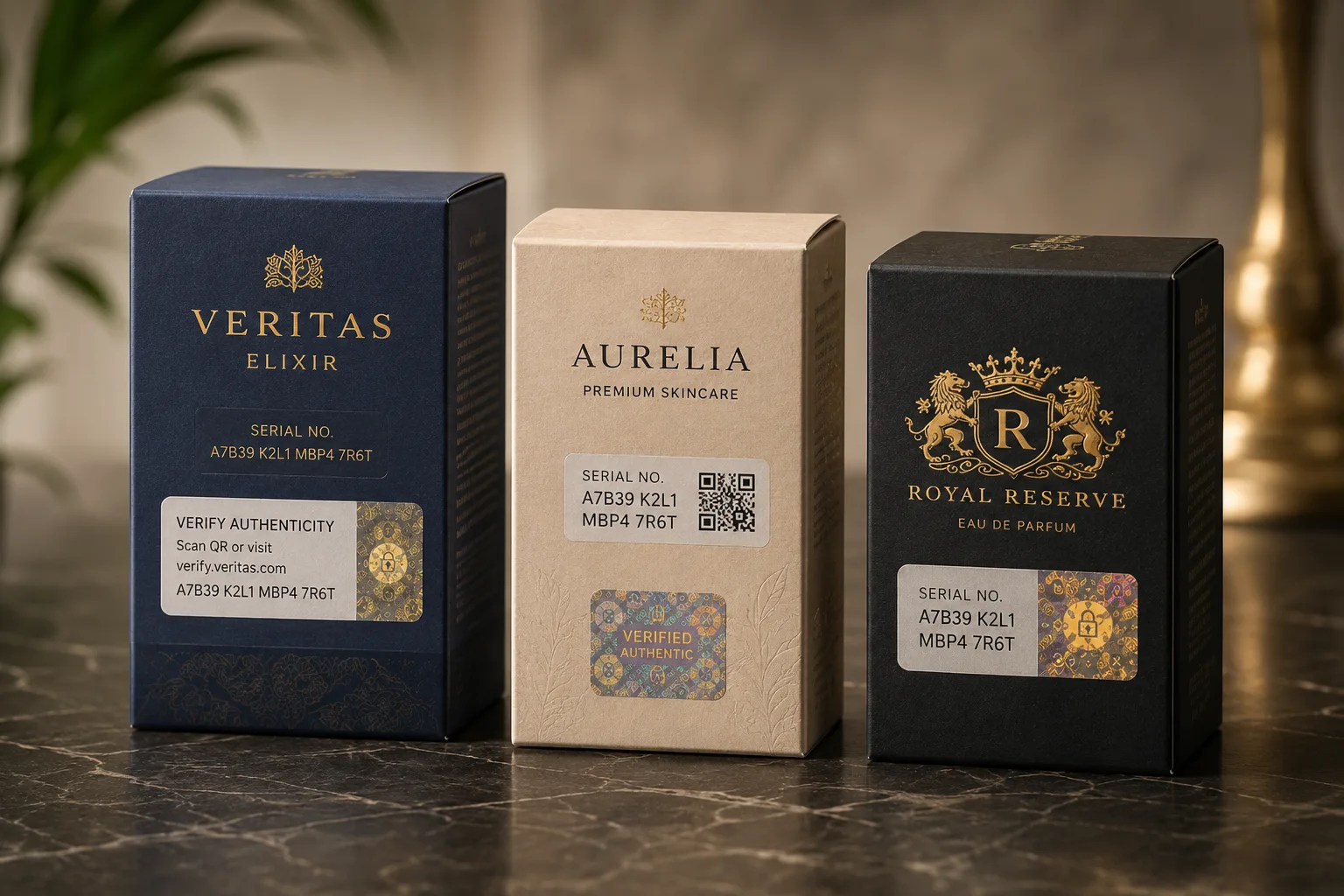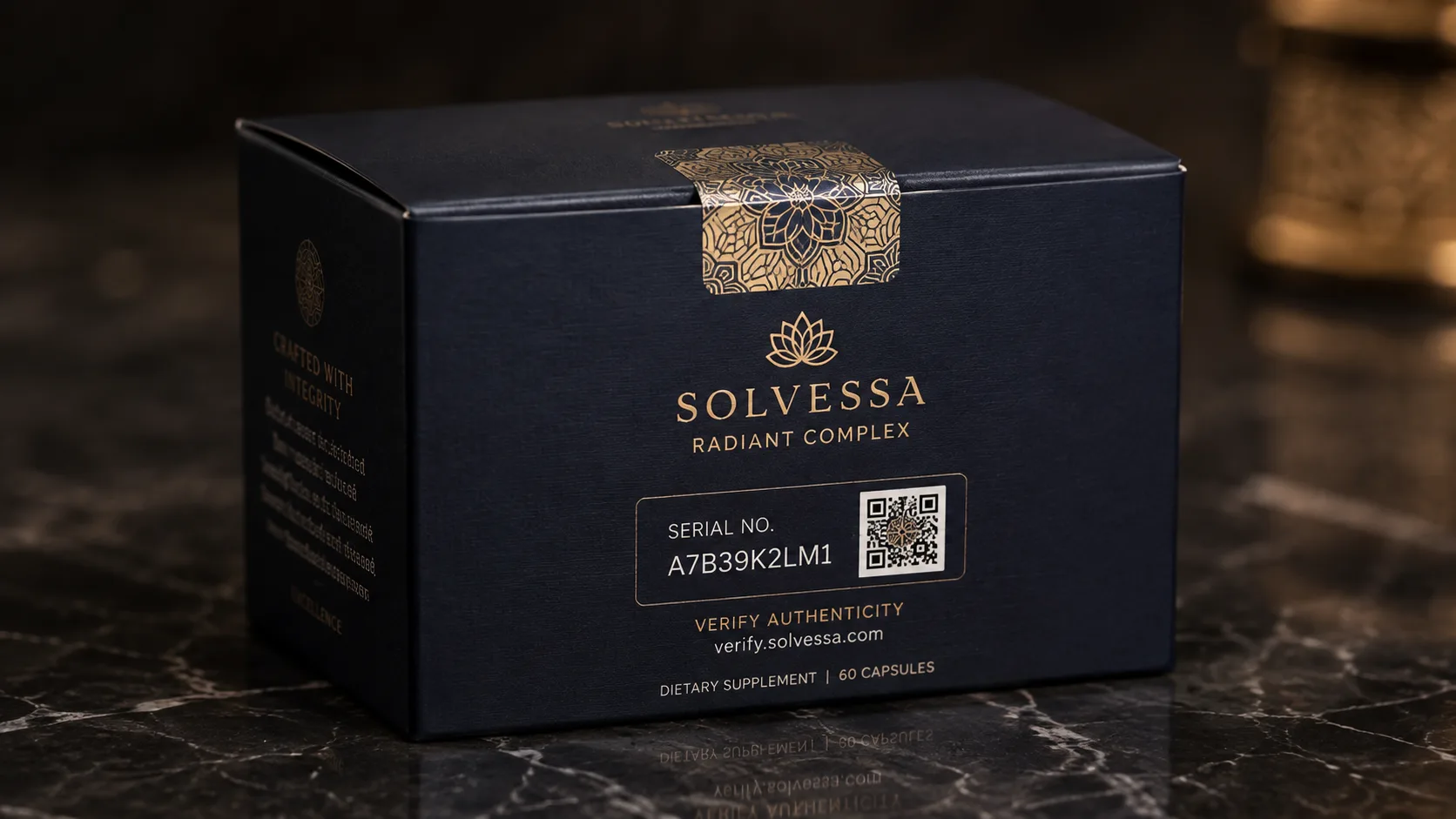
Brand protection
Anti-counterfeit packaging and security cartons
Security printed into the carton on the same press pass as the artwork, so a copied pack fails a check that costs your warehouse nothing to run.
A counterfeit is made from a picture of your pack. The picture does not carry what the press put in it.
Anti-counterfeiting cartons are folding cartons with microtext, guilloche line work, hidden fine-line graphics and anti-copy patterns printed into the artwork on the same press pass. A counterfeiter works from a photograph of your pack, or from the pack itself on a flatbed scanner. Both reproduce how a carton looks. Neither reproduces the microtext and guilloche line weights our plates hold.
- FOUR PRINTED FEATURES
- FIVE INKS ON REQUEST
- A CHECK BY PHONE
- THE SAME PRESS PASS
Printed into the artwork, on every carton
Four anti-counterfeit features printed into the carton
Four features. The middle column is what goes on your carton. The last column is what is left of it on a copy.
These are printed on a Komori six-color offset line in a 90,000 square foot plant in Ahmedabad, the same line and the same floor as every other carton we make, so security packaging here is a specification on a bulk production run. The plant is certified to ISO 9001, ISO 14001 and ISO 45001 and operates to BRCGS packaging standards and SEDEX, and every lot of brand protection packaging leaves with a completed test report and a Certificate of Conformance against the proof and shade card you approved. Certificates are available on request.
This plant holds IBA accreditation as a security printer.
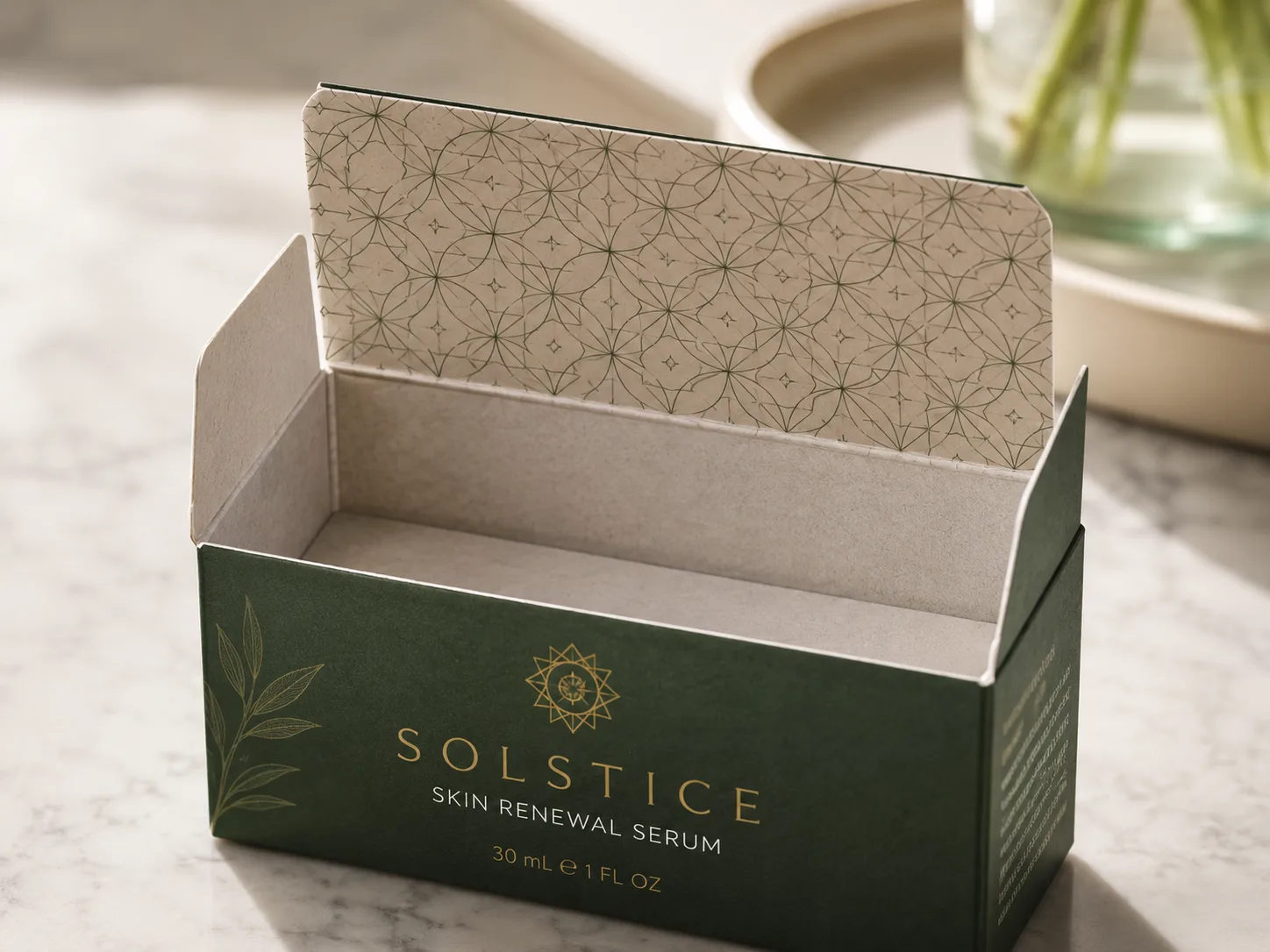
What it costs to add
- Prepress and press work, on the same pass as your artwork
- No second vendor and no specialty consumable
- No change to the unit price of the carton
Microtext
Prepress and offset
On your cartonText set small enough that our plates hold it, often a batch code or a brand name. Under a loupe it is a legible line.
On a copy of itAn office scanner does not hold it. It fills in as a smudge.
Guilloche patterns
Prepress and offset
On your cartonThe interwoven line work used on banknotes and share certificates, set into a panel or run as a border.
On a copy of itThe weave depends on line weights a copier cannot resolve, so the copy loses the pattern the original holds.
Hidden fine-line graphics
Prepress and offset
On your cartonA word or a mark built out of the artwork line work itself, invisible at reading distance and unmistakable under magnification.
On a copy of itA counterfeiter working from a photograph of your pack never sees it, and so never carries it.
Anti-copy line patterns
Prepress and offset
On your cartonA pattern tuned to collide with the sampling grid of a scanner or a photocopier.
On a copy of itVisible moire on the copy. No equipment is needed: hold the two cartons next to each other.
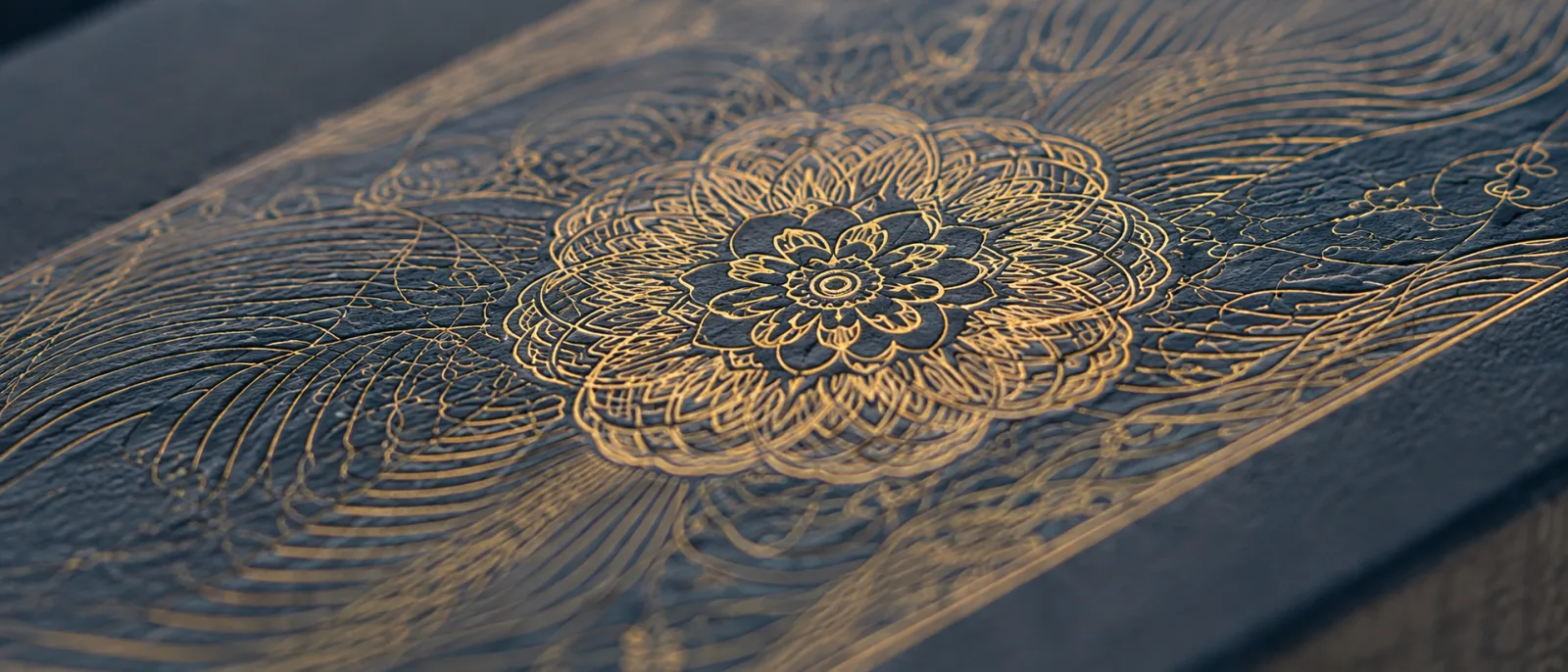
Line weights a copier cannot resolve.
Guilloche work set at the weights our plates hold, and lost as a smudge on anything scanned from the finished carton.
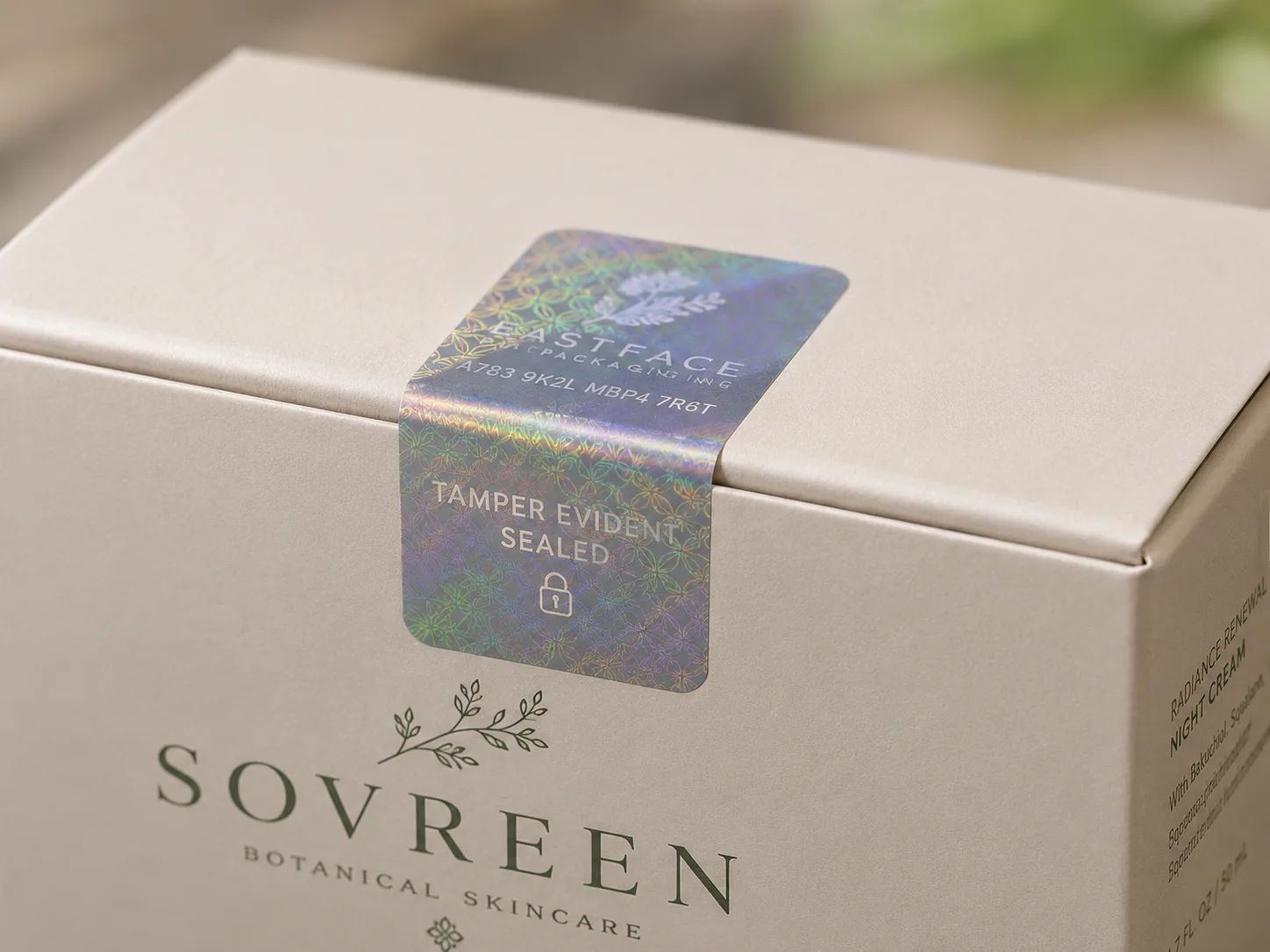
Tamper seal
Tear strip, tuck-and-tab lock or a fully glued end seal, plain or as holographic packaging where the seal has to be read across a receiving bay. Each changes the blank, so it is chosen before the dieline is drawn.
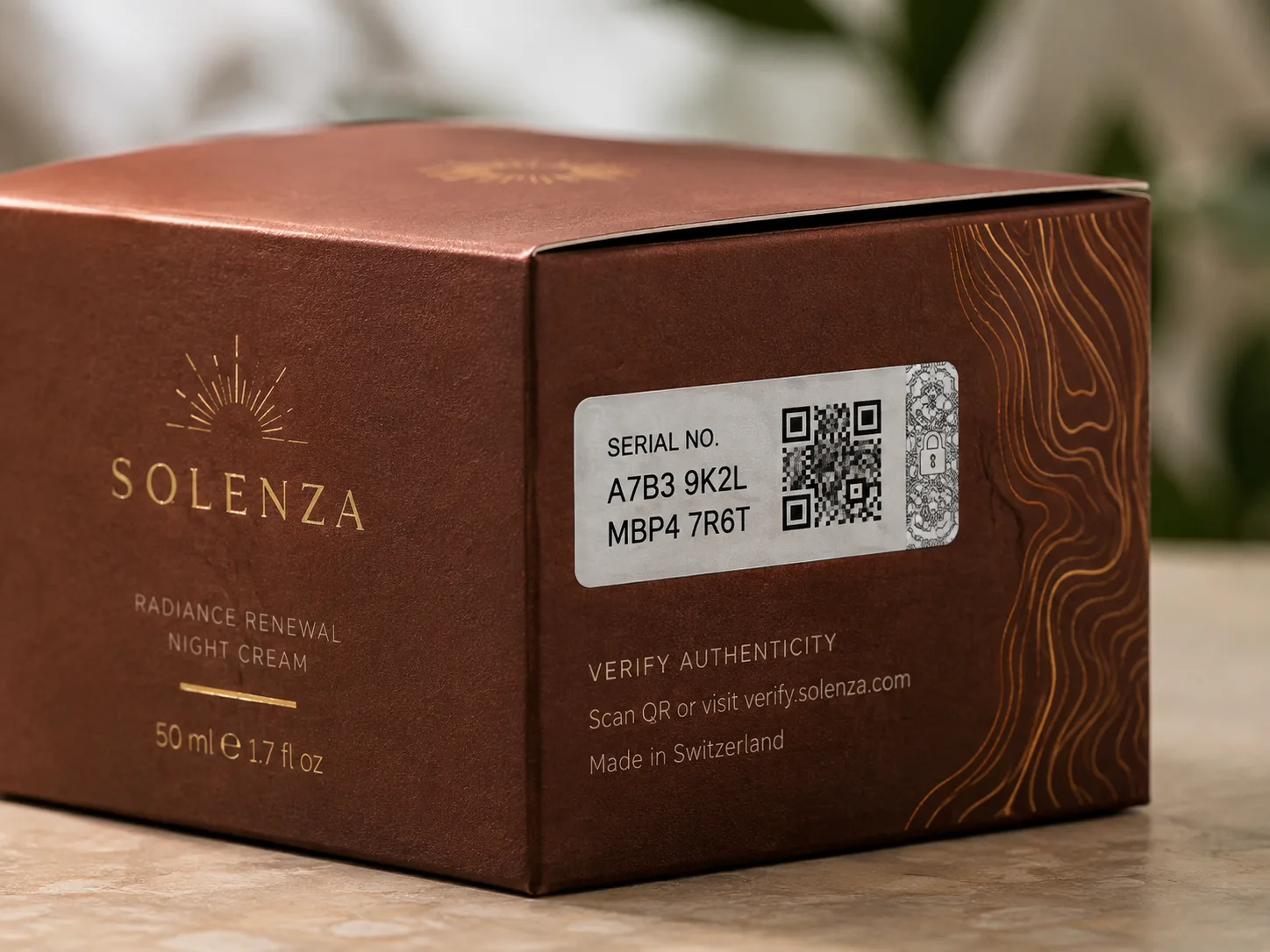
Phone check
A T-Code mark on the carton, read by an ordinary phone. The scan and the answer run on their system, not ours.
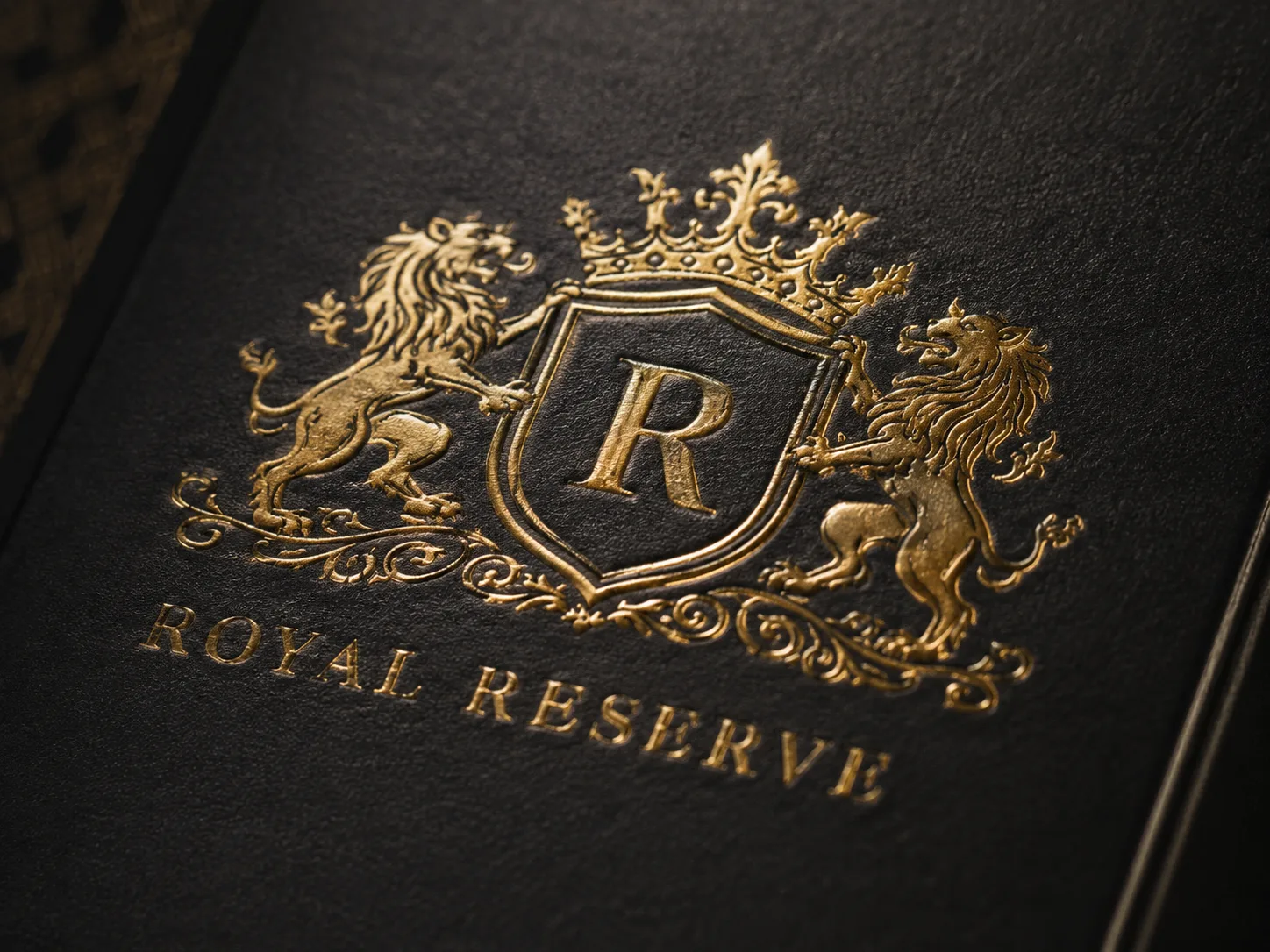
Precision foil
Hot foil stamped from a die, with emboss registered to it. A photograph of the pack carries the look and not the relief.
Security inks, on request
Each of these needs its ink qualified on the Komori six-color line before it goes into a production run, because the ink has to cure under our UV and IR lamps and survive the finishing that runs after it. Ask at specification, not at reorder. The trial is short, and an ink can only be quoted once it has passed.
UV fluorescent ink
Nothing in daylight, and a mark, a code or a whole panel under a UV lamp. The cheapest verification to put in a warehouse or at a customs desk: it needs only a UV lamp.
Security ink, plus a lamp wherever the checking happens
IR-responsive ink
Reads under infrared, not to the eye, so it is verified by a machine, and the mark gives nothing away on a shelf.
Specialty ink and a press trial
Thermochromic ink
Changes color with heat. The test is a thumb held on the mark for a few seconds, with nothing to carry, plug in or train anyone on.
Specialty ink and a press trial
Photochromic ink
Colorless indoors and colored in daylight. Carrying the carton to a window is the check.
Specialty ink and a press trial
Coin-rub reactive ink
A mark that develops when it is rubbed with the edge of a coin. A scan of the printed carton reproduces how it looks and not what it does.
Specialty ink and a press trial
- Print method
- Six-color offset
- The same plates as the brand artwork.
- Printed features
- Four, on any carton
- On the next run, with no tooling.
- Security inks
- Five, on request
- Each one after a press trial on your board.
- Board
- SBS, FBB, CCNB
- Chosen against the pack and the fill weight.
- Applied
- Same press pass
- No second vendor, no change to the unit price.
With T-Code
A check the person holding the pack can run
Every printed feature and every security ink is checked against the carton, with a loupe, a lamp or a second pack to hold it next to. That works at a customs desk and in a receiving bay, and it needs somebody who already knows what to look for. T-Code works differently: a mark on the carton, a scan with an ordinary phone, an answer in a second, for anyone down the chain including the person who bought the product.
What the phone reads is a texture rather than a printed pattern, which is where their claim to being unclonable sits: a photograph of the mark reproduces how it looks and not what the scan reads. The verification runs on their system, not ours.
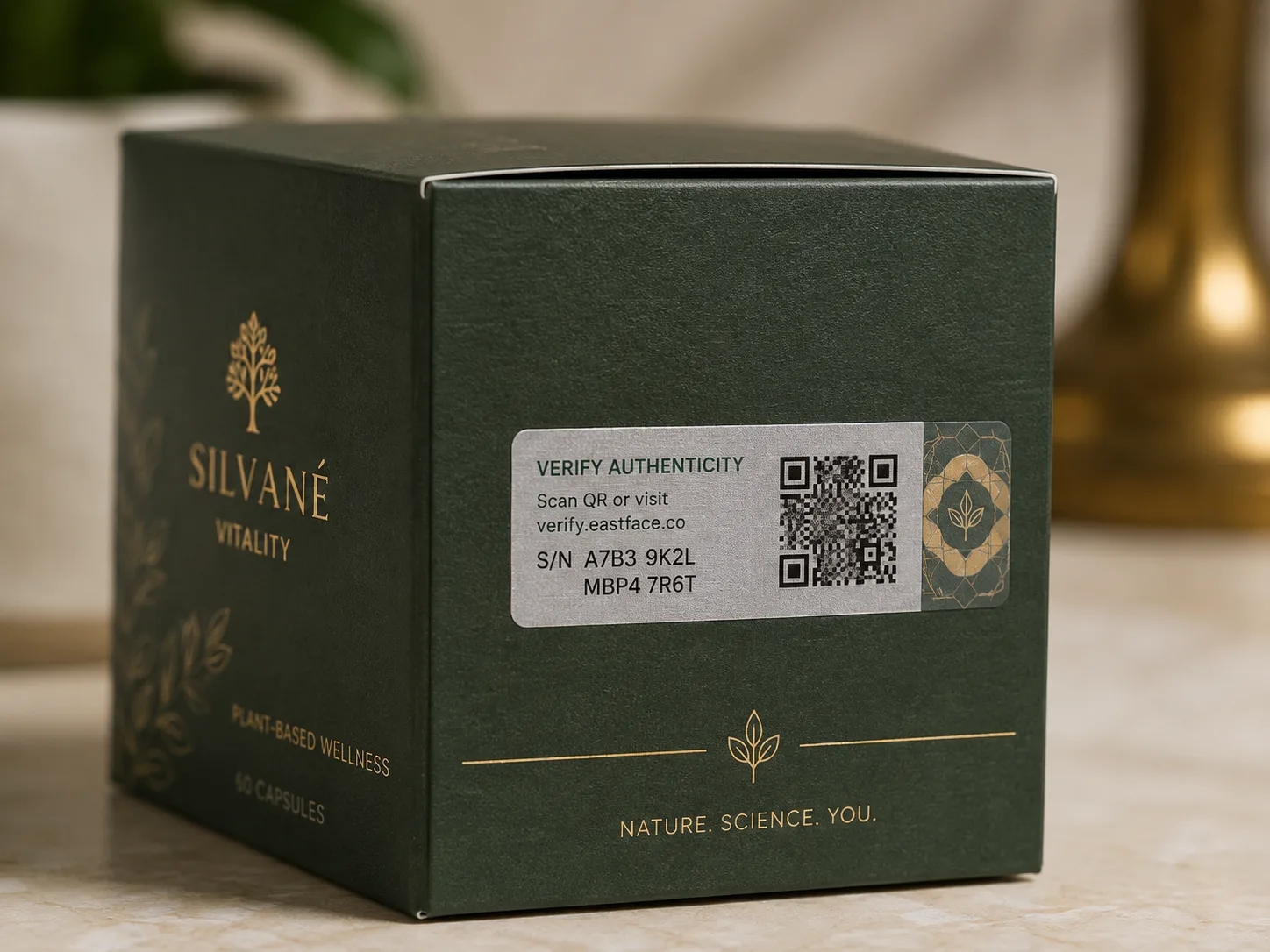
T-Code
by EMIET
Unclonable tech. Unbreakable trust.
T-Code, in their own words
The carton and the mark are printed and applied here, both operations in our plant. The scan, the database behind it and the result it returns are theirs.
What T-Code isMark
A T-Code mark is printed and applied on our floor, in the same plant as the carton.
Scan
Anyone holding the pack points an ordinary phone at it. No app of ours, no account.
Result
Their system reads the texture and answers in about a second.
Anti-counterfeit packaging questions
Microtext is text set small enough that a printing plate holds it and an office scanner does not, printed into the carton artwork rather than added to it. It is usually a batch code or a brand name, and under a loupe it reads as a legible line. On a copy made from a photograph or a flatbed scan of the finished pack it fills in as a smudge. It is prepress and press work on the same pass as the artwork, so it needs no tooling and no second vendor.
A guilloche is the interwoven line work used on banknotes and share certificates, set into a panel on a carton or run as a border. The weave depends on line weights our plates hold and a copier cannot resolve, so what comes off the copier is a smudge where the original holds a pattern. The check needs no equipment: hold the two cartons side by side.
An anti-copy pattern is tuned to collide with the sampling grid of a scanner or a photocopier, so the copy carries visible moire that the printed carton does not. It is the cheapest of these checks to run. It needs no loupe, no lamp and no training: hold the two cartons next to each other and the moire shows on the copy. Like the rest of the four printed features it is prepress and offset work on the same press pass as your artwork.
An overt feature is one anybody can see without a tool and a covert feature is one that needs a tool or a trained eye to find. Eastface prints both. A tamper seal and a foil stamp are overt, and so is an anti-copy pattern once a genuine carton is held beside a copy. Hidden fine-line graphics are covert: invisible at reading distance and unmistakable under magnification, and a counterfeiter working from a photograph of your pack never sees them and so never carries them. UV fluorescent and IR-responsive inks are covert in the same way: invisible on a shelf, and visible under a lamp or to a machine reader.
Four features go on any carton with no tooling and no change to the unit price: microtext, guilloche line work, hidden fine-line graphics and anti-copy line patterns. All four are prepress and offset work on the same press pass as the brand artwork. Beyond them are five security inks on request, each after a press trial on your board, and two structural or finishing routes that change the blank or add a die: a tamper seal as a tear strip, a tuck-and-tab lock or a glued end seal, and hot foil stamped from a die with emboss registered to it.
The four printed features do not. They are prepress and press work on the same pass as your artwork, with no second vendor, no specialty consumable and no change to the unit price of the carton, so they can go on your next bulk run. The five security inks are specialty inks, not the ink already on the press, and each needs qualifying on our press before it goes into production. The ink premium is quoted per job and it does not change the lead time. A tamper seal changes the blank and a foil stamp needs a die, so both are settled before the dieline is drawn.
With a loupe, a lamp or a second pack to hold it next to. Every printed security feature is checked against the carton itself, which works at a customs desk and in a receiving bay and needs somebody who already knows what to look for. An anti-copy pattern needs no equipment at all, because the copy shows moire beside the original. A UV fluorescent ink is the cheapest verification to put in a warehouse: it needs only a UV lamp. A thermochromic ink needs no equipment: the check is a thumb held on the mark for a few seconds.
Security inks are inks that respond to something the eye does not, so the mark gives nothing away until it is triggered. Five are available on request. UV fluorescent shows nothing in daylight and a mark, a code or a whole panel under a UV lamp. IR-responsive reads under infrared, not to the eye, so it is verified by a machine. Thermochromic changes color with heat. Photochromic is colorless indoors and colored in daylight. Coin-rub reactive develops when it is rubbed with the edge of a coin. Each of the five needs its ink qualified on our press before it goes into a production run, because it has to cure under our UV and IR lamps and survive the finishing that runs after it.
Yes, and the four printed features go on the next run with no tooling. They are drawn into the artwork at prepress and printed on the same pass, so an existing carton keeps its structure, its board and its dieline and gains the features on the plates. A security ink is the same answer with a press trial in front of it. The two that are not a next-run change are the tamper seal, which changes the blank, and hot foil, which needs a die cut for it: both are decided before the dieline is drawn.
A T-Code mark goes onto the carton, anyone holding the pack points an ordinary phone at it, and their system reads the mark and answers in about a second. There is no app of ours to install and no account to hold. What the phone reads is a texture rather than a printed pattern, which is where T-Code's claim to being unclonable sits: a photograph of the mark reproduces how it looks and not what the scan reads. T-Code is a separate company, made by EMIET. The carton and the mark are printed and applied here, both operations in our plant, and it adds nothing to the lead time; the scan, the database behind it and the result it returns are theirs, and it is the one check anyone down the chain can run, including the person who bought the product.
Build it into the next run
The artwork, the format and where the copies are turning up are enough to start. We come back with the features that fit the carton and the bulk run they go on, and what each one changes about the price. Custom holographic boxes are quoted the same way, because a holographic seal or film is a decision about the blank rather than about the plates. Landed cost runs 20 to 30 percent below a comparable US supplier quote.
Get a quote