Reverse tuck end
The most common supplied dieline, with the best sheet yield in the tuck family.
See the structure: Reverse tuck endFOLDING CARTONS
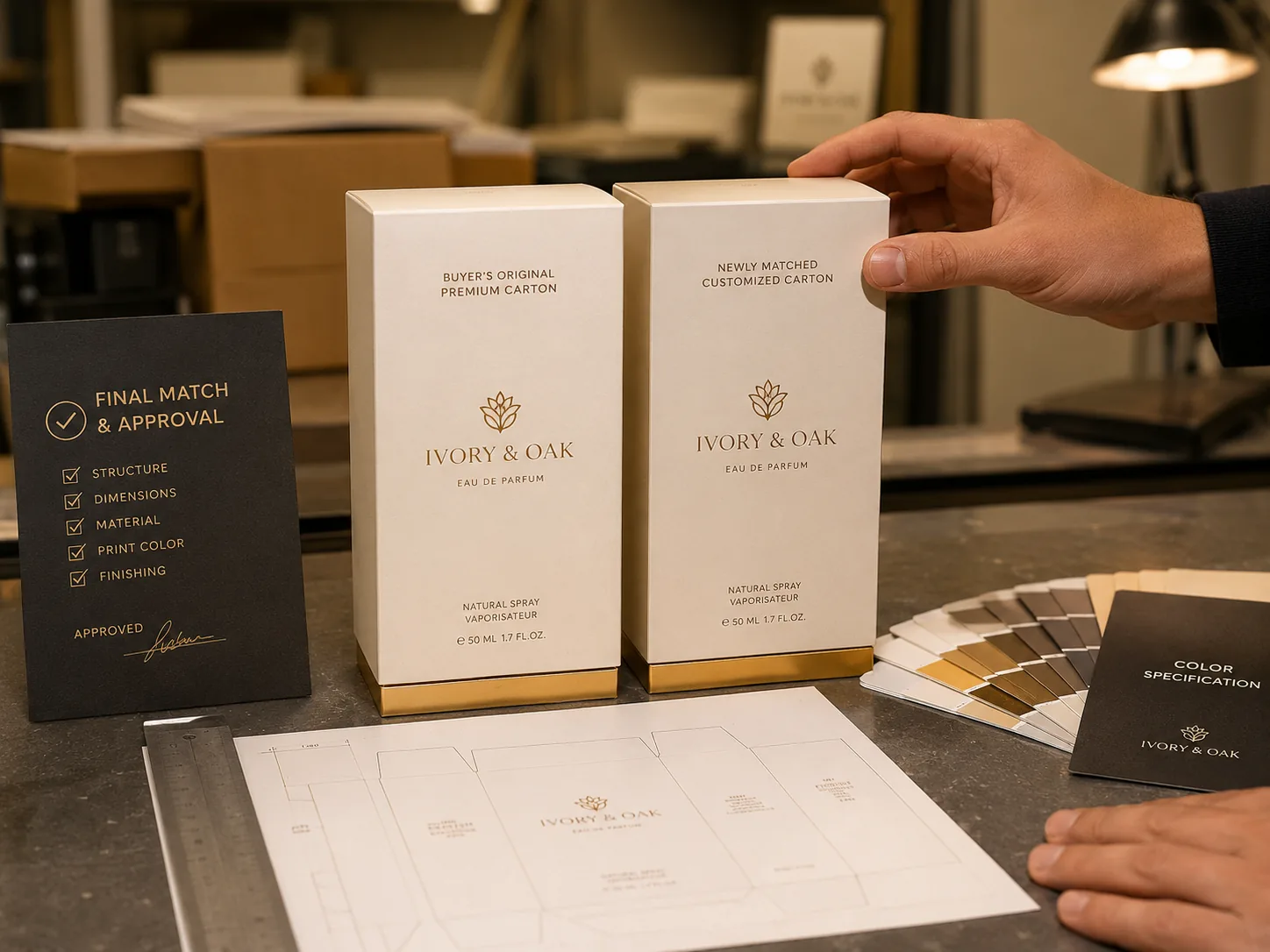
A customized carton is one of the standard folding structures built to your own drawing, your own board and your own finishes: you send a dieline, a specification or a physical carton, and it is matched rather than reinterpreted.
This is the route for a pack that already exists somewhere. Where the format itself has to be invented, the page you want is custom structures.

Each row is something you can specify and have matched. Where a spec cannot be matched exactly, we say which one and why before we quote.
Two limits. A dieline drawn for a different plant may assume a machine we do not run, and a color built for a different board will not land the same way on ours. Both are checked at the start, and we tell you then.
All four are usable. The first needs the fewest rounds to match.
The best thing to send. Board caliper, crease position, glue lap, the finished dimensions rather than the drawn ones, the finishes and how they were applied: all of it can be measured from the object, and little of it can be read reliably from a file.
CAD or PDF. Fastest route where the drawing is current and was made for a real production run. Tell us which plant it was drawn for: a dieline carries assumptions about the machine that will cut and glue it, and those are what we check.
Dimensions, board, structure and finishes in a document. Workable, with one round of questions about the fields a spec sheet usually leaves out: grain direction, glue lap side, internal or external dimensions.
Enough to start with and to quote against, but it stays an estimate until an object or a drawing arrives. A prototype confirms it.
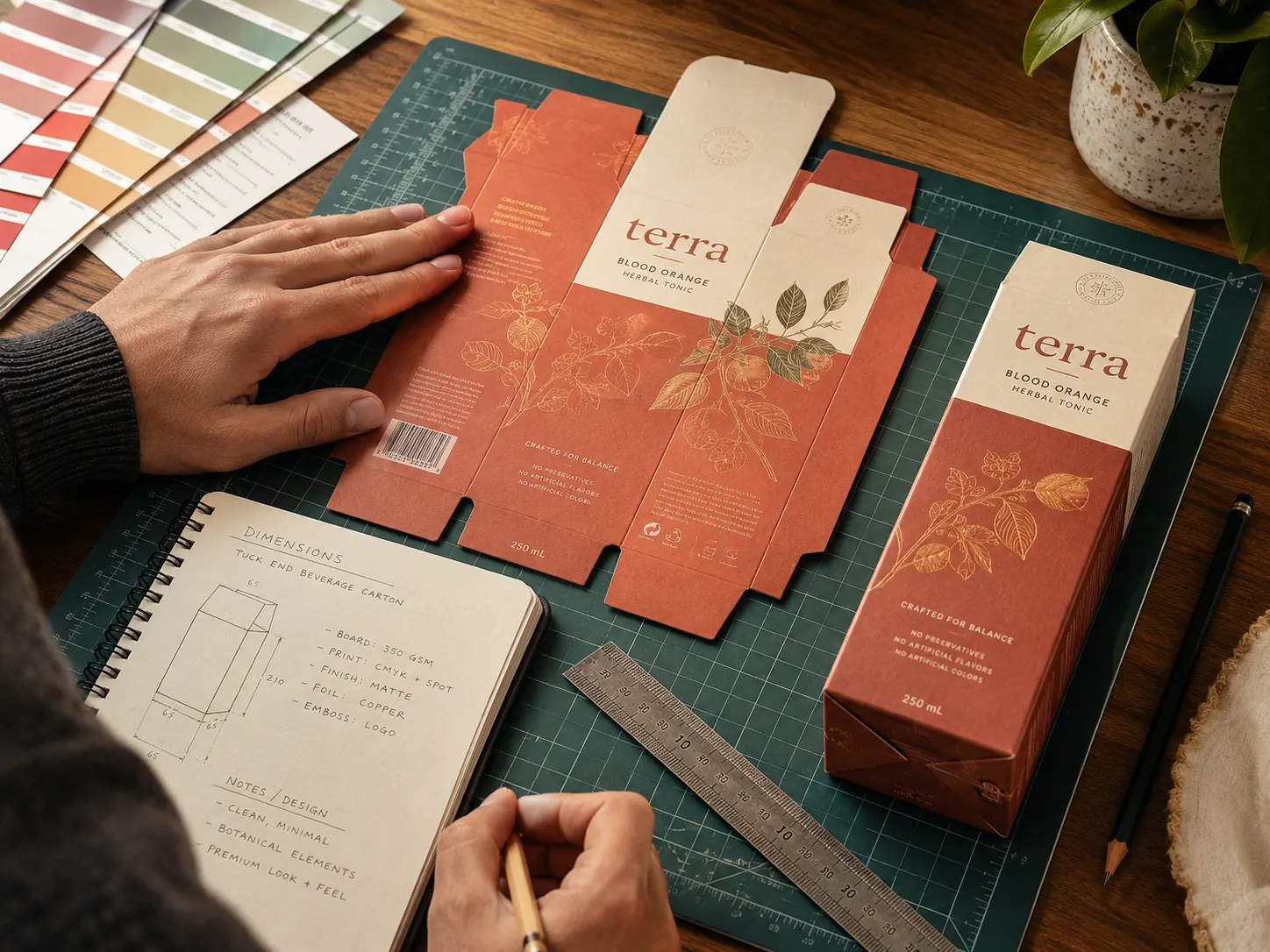
Send the carton rather than the file. Everything that decides the fit can be measured from the object, and half of it is missing from the drawing.
Four steps. Nothing is tooled until the specification has been checked against the plant.
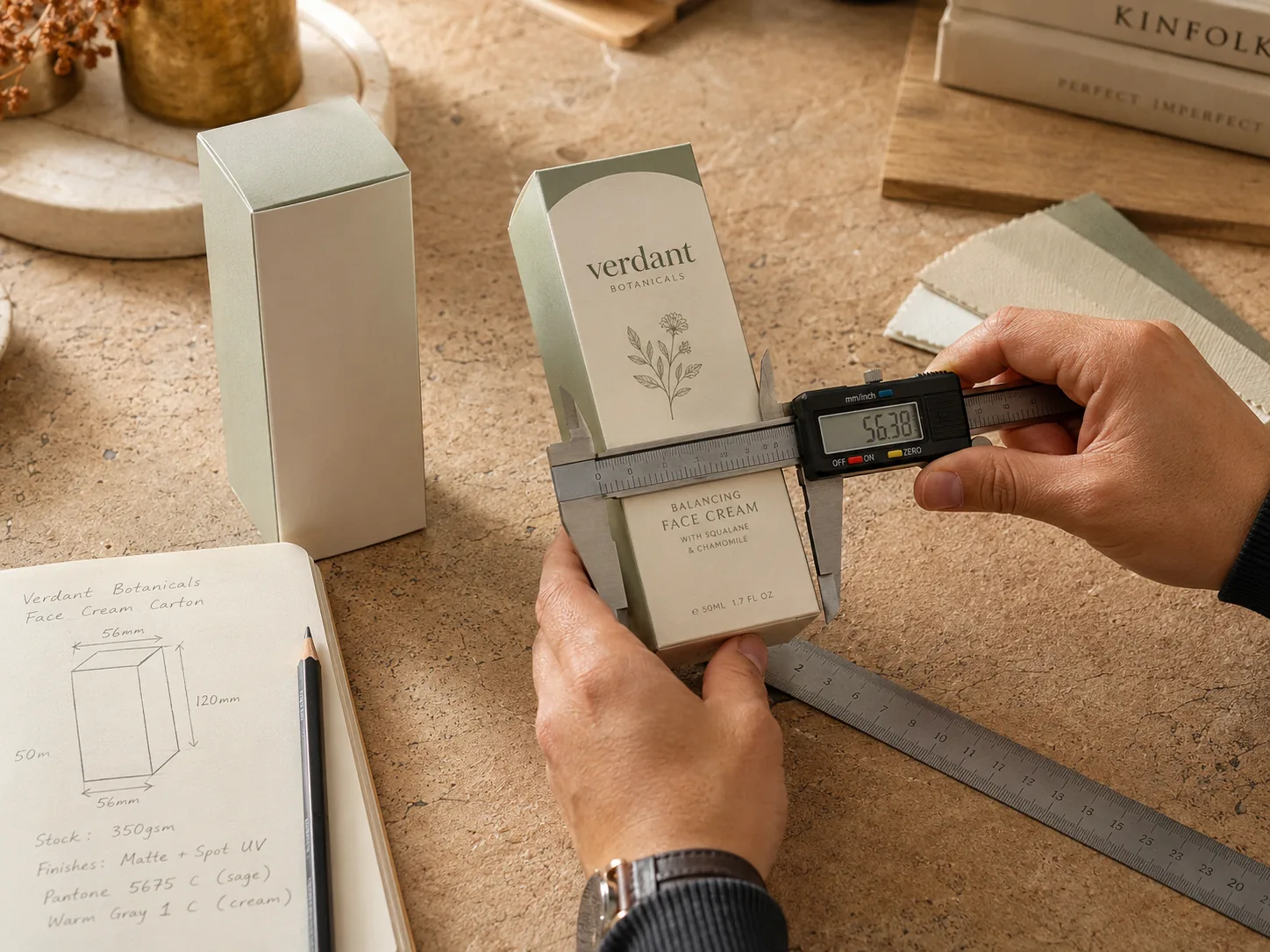
Your dieline, sample or spec is measured and read against what this plant runs. Anything in it that assumes a different machine, a different board or a color built for a different substrate is flagged here, before the quote.
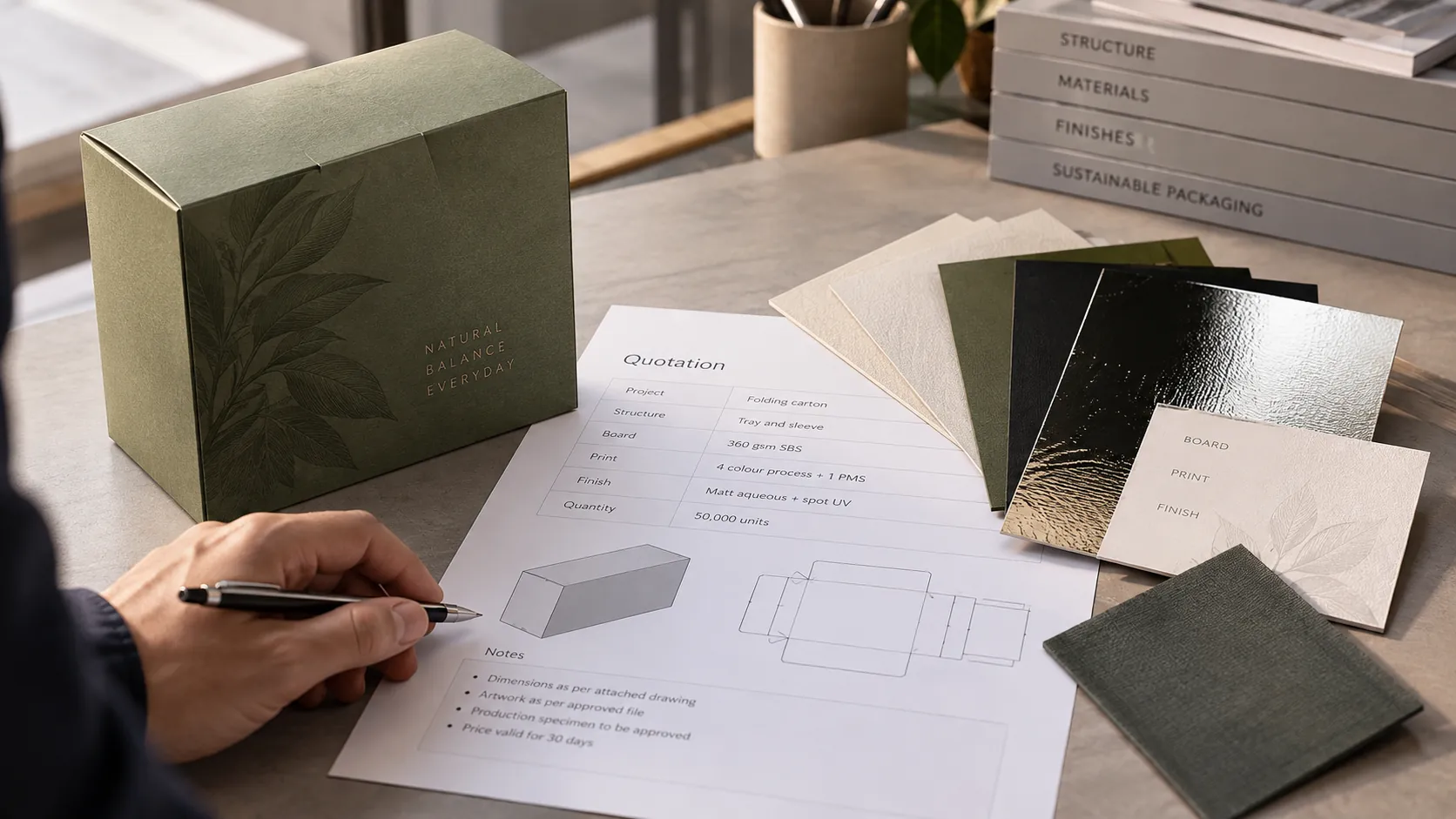
Priced against the structure, board, finishes and volume you asked for, with anything we would do differently named and costed separately. Duty, shipping and delivery to your address are inside that price.
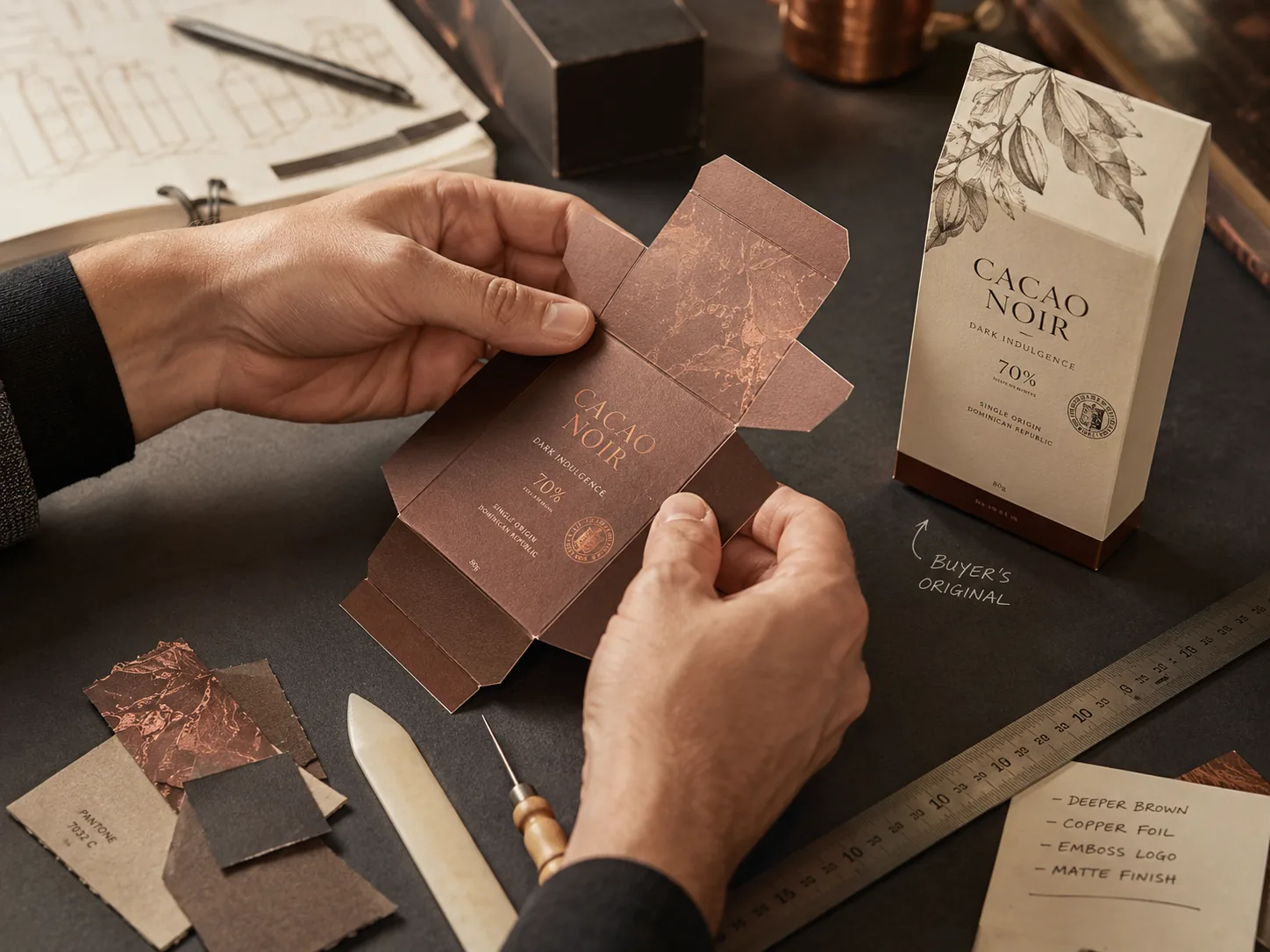
On request, a prototype is cut from the specified board in the specified grain, folded, and sent to you. This is where the match is checked in the hand.

A production die is cut once, after the specification is signed off, and the job runs. Repeat orders come off the same tooling, so a second run is faster than the first.
We read a drawing before we match it, and we do not redraw it without asking.
We will tell you where a drawing costs you money. A blank that nests badly on our sheet, a glue lap on the wrong side for our folder, a structure that needs two passes where one would do: all three are costs that repeat on every run, so we raise them before tooling. You decide. If the answer is match it exactly, it is matched exactly.
We will not change it silently. Not the dimensions, the glue lap, the board or the structure. A carton that differs from the drawing it was ordered against is a problem for your line.
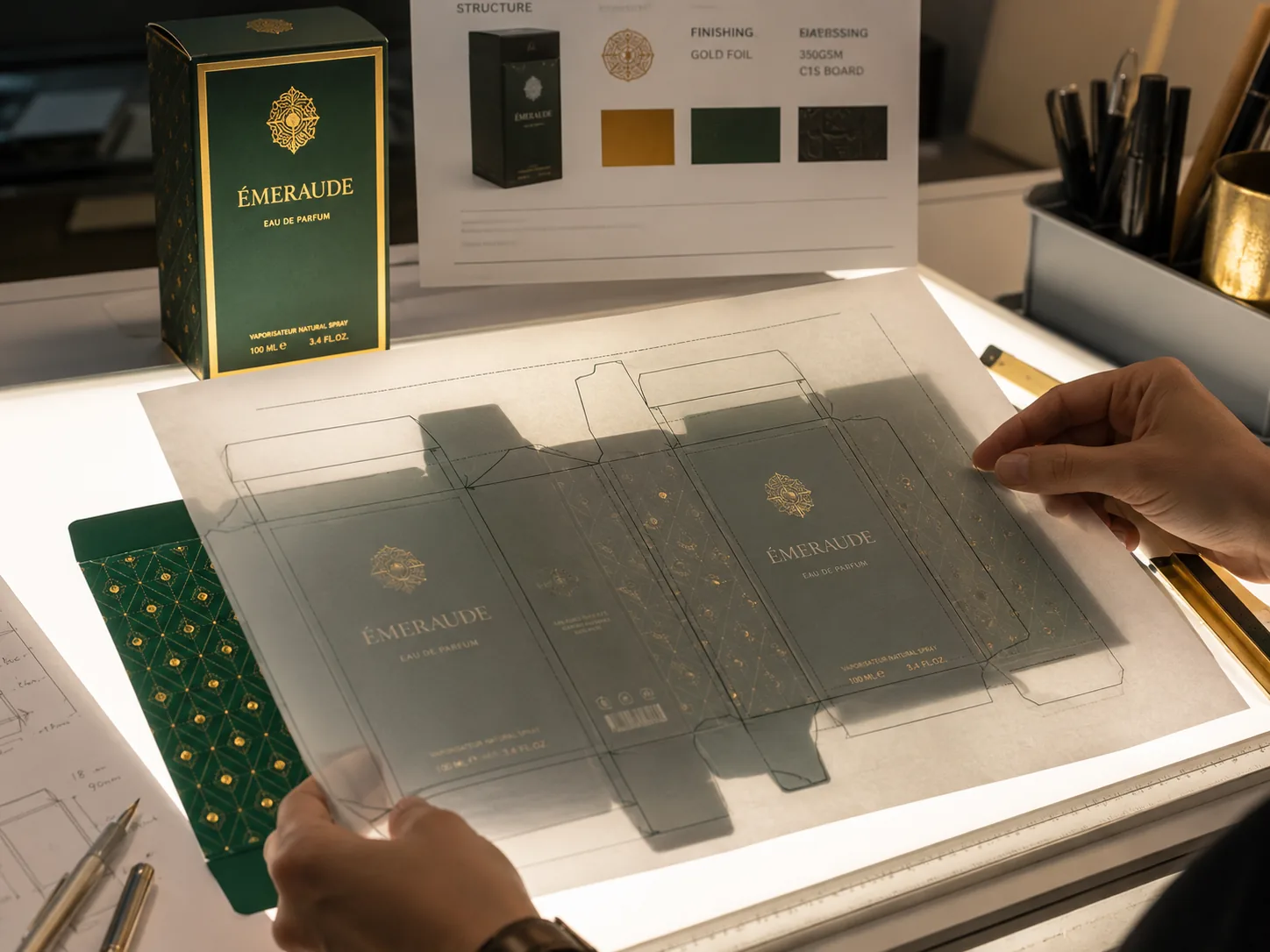
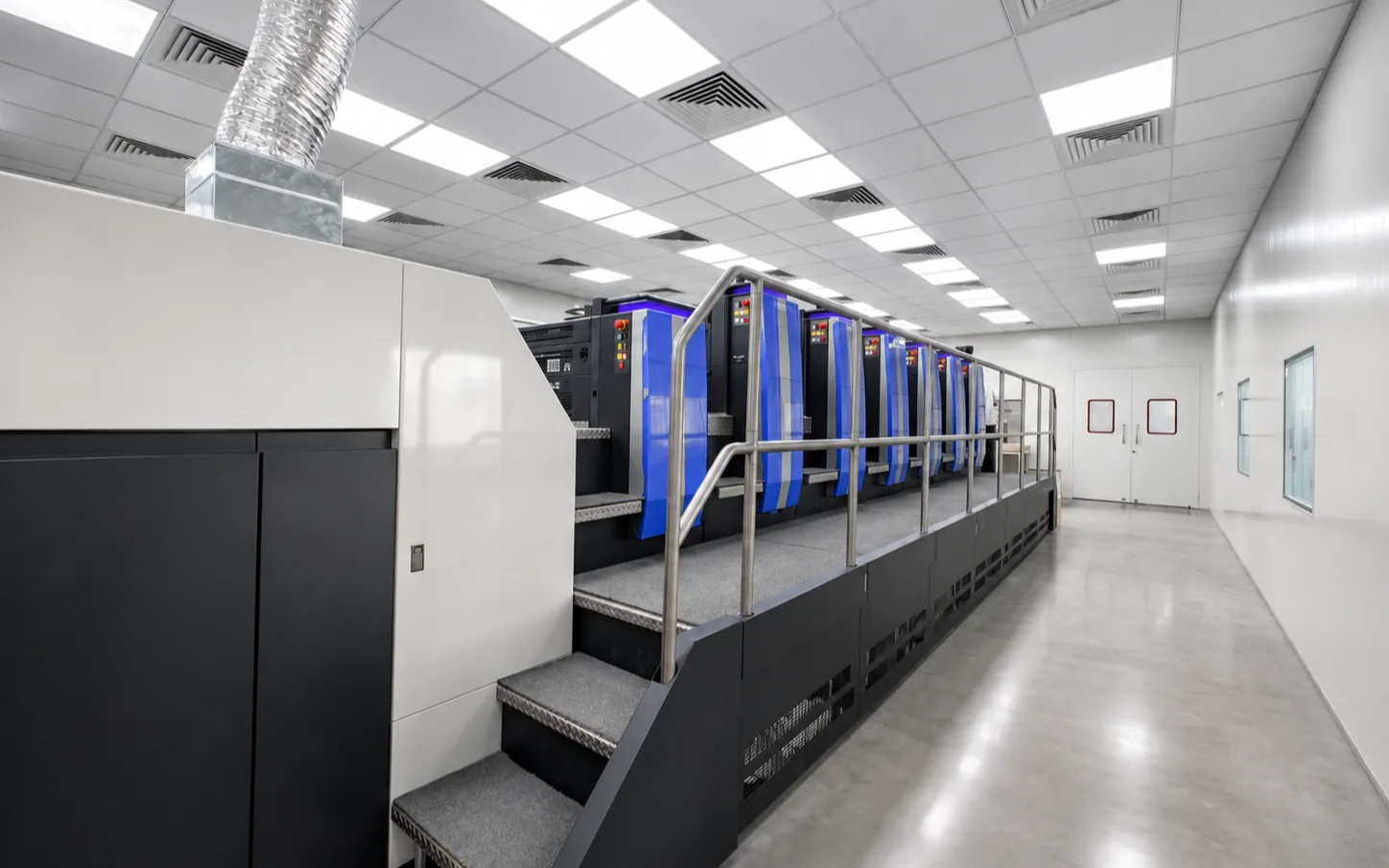
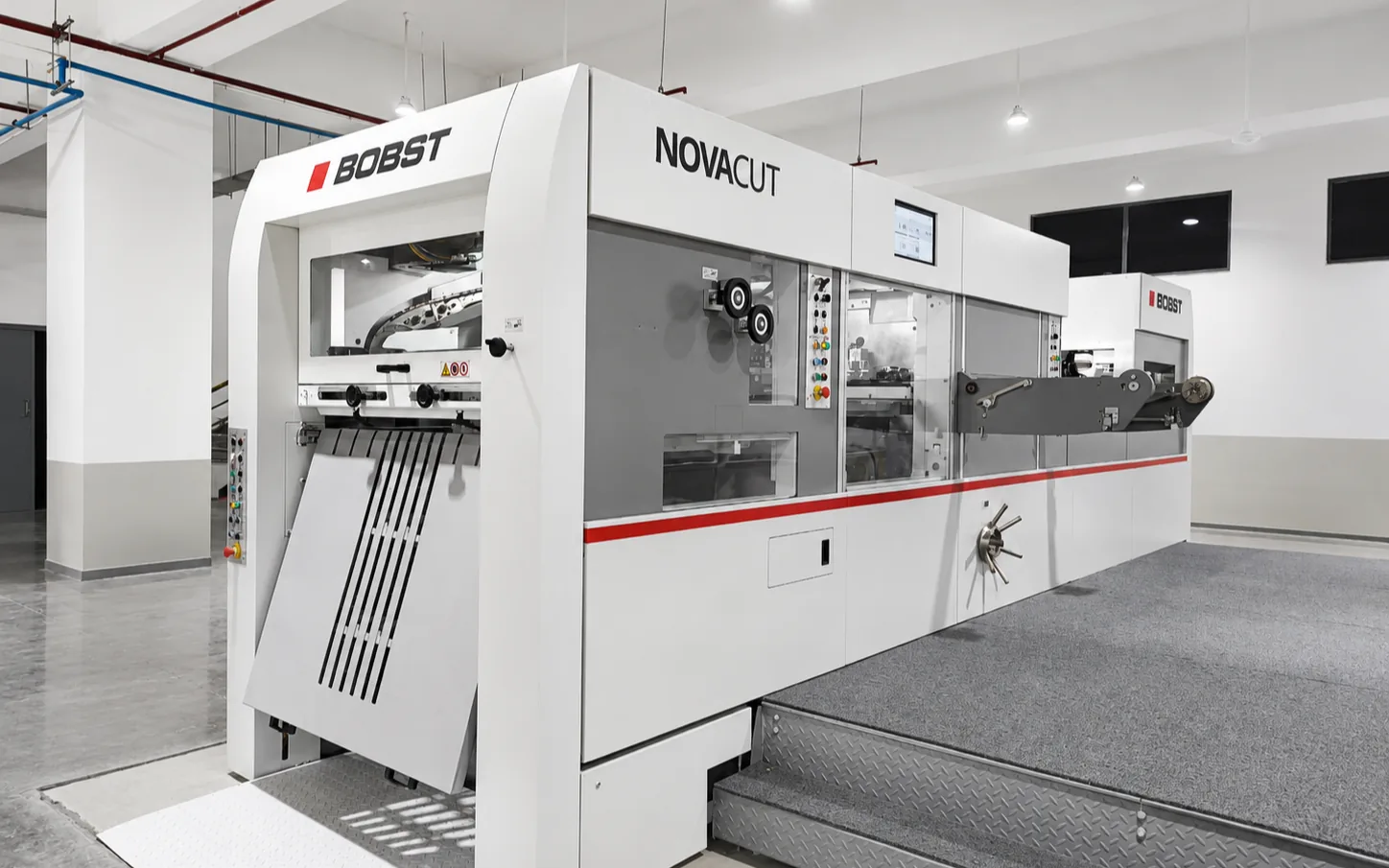
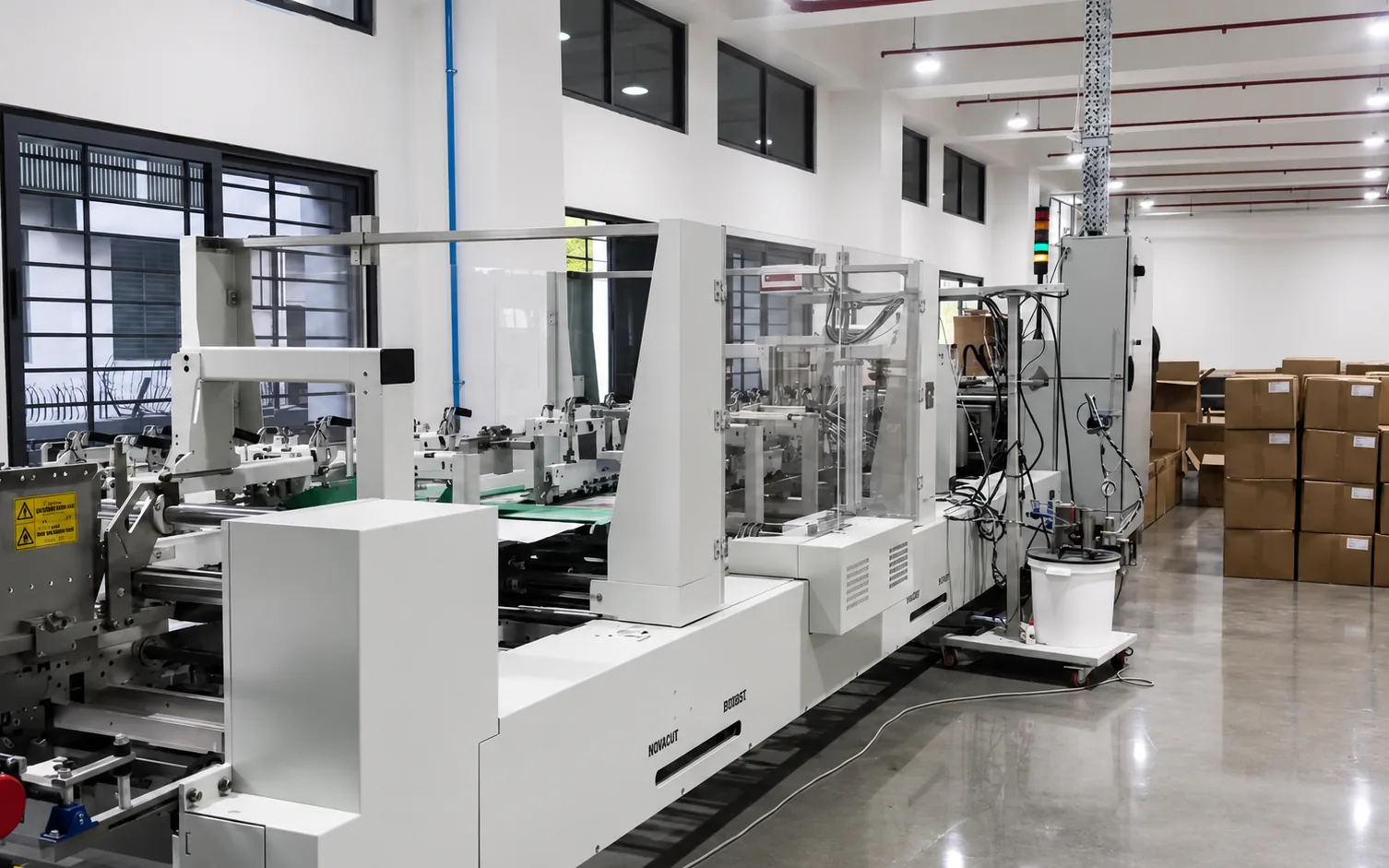
A drawing is read against the machines that will run it: what the Novacut can hold, what the Novafold glues in one pass, what the press form yields on the sheet. The check happens before the quote, so the quote holds.
Cartons here are made on bulk production runs, and the cost per carton falls as the run grows, because plates, tooling and make-ready are fixed per run rather than per carton. A quote is priced against the volume you are planning. Landed pricing typically runs 20 to 30 percent below comparable US supplier quotes for the same specification. The quote is one landed price: the cartons, tooling, structural design, proofing, the documents that travel with the order, import duty, shipping and delivery to your address, in the US or anywhere else. Nothing is quoted on top of it later.
Nine times out of ten a supplied dieline is one of these three, drawn to somebody else’s dimensions. Each has its own page.
The most common supplied dieline, with the best sheet yield in the tuck family.
See the structure: Reverse tuck endWhere the front panel has to stay unbroken because the graphic runs across it.
See the structure: Straight tuck endThe other route: no drawing yet, because no standard format holds the product.
See the structure: Custom structuresA pack that is easy to match is also easy to counterfeit, and brands moving a line to a new supplier often add protection at the same time. Overt and covert features are added at the tooling stage.
Anti-counterfeit packaging
One of the standard folding structures built to your own drawing, board and finishes: you send a dieline, a specification or a physical carton, and it is matched rather than reinterpreted. It is distinct from a custom structure, which is a format developed from your product because none of the standard ones hold it.
A physical carton. Board caliper, crease position, glue lap side, the finished dimensions as opposed to the drawn ones, and how the finishes were applied are all measurable from the object and only half readable from a file. A dieline file is the next best, a specification sheet after that, and a photograph with dimensions is enough to start and quote against but will stay an estimate until an object or a drawing arrives.
Yes. Send one, ideally two: one to measure and take apart, and one to keep intact for color and finish reference. The structure, board, print and finishes are read off the object, and anything that cannot be matched exactly is named before the quote rather than after the run.
Not without asking. We will tell you where a drawing costs money on every run: a blank that nests badly on the sheet, a glue lap on the wrong side for our folder gluer, a structure that needs two passes where one would do. Then we will cost the alternative separately. The decision is yours, and matching it exactly is always an available answer. Nothing is changed silently, because a carton that differs from its drawing is a problem your line would find before we did.
On request, yes. A prototype is cut from the specified board in the specified grain, folded and sent to you before any production tooling is cut, so you can check the match in the hand.
It runs off the same tooling and the same plates, which is why a repeat is 8 days in production against 15 to 20 for a new order. The dieline and the color build are held here against your part number, so a reorder is a scheduling question rather than a specification one.
Last reviewed
A drawing tells us what was intended and a carton tells us what was made. Send either, or both, and it comes back read, quoted against the real specification, and prototyped on request before anything is tooled. A packaging planner replies within one business day.