FINISHES
Spot UV boxes
Spot UV applies a high-gloss UV coating to selected areas of a printed folding carton instead of the whole sheet. Applied over a matte laminate, it creates contrast between matte and gloss on the same panel. Flat, raised and screen-printed versions differ in coating thickness and in the smallest element each can hold.
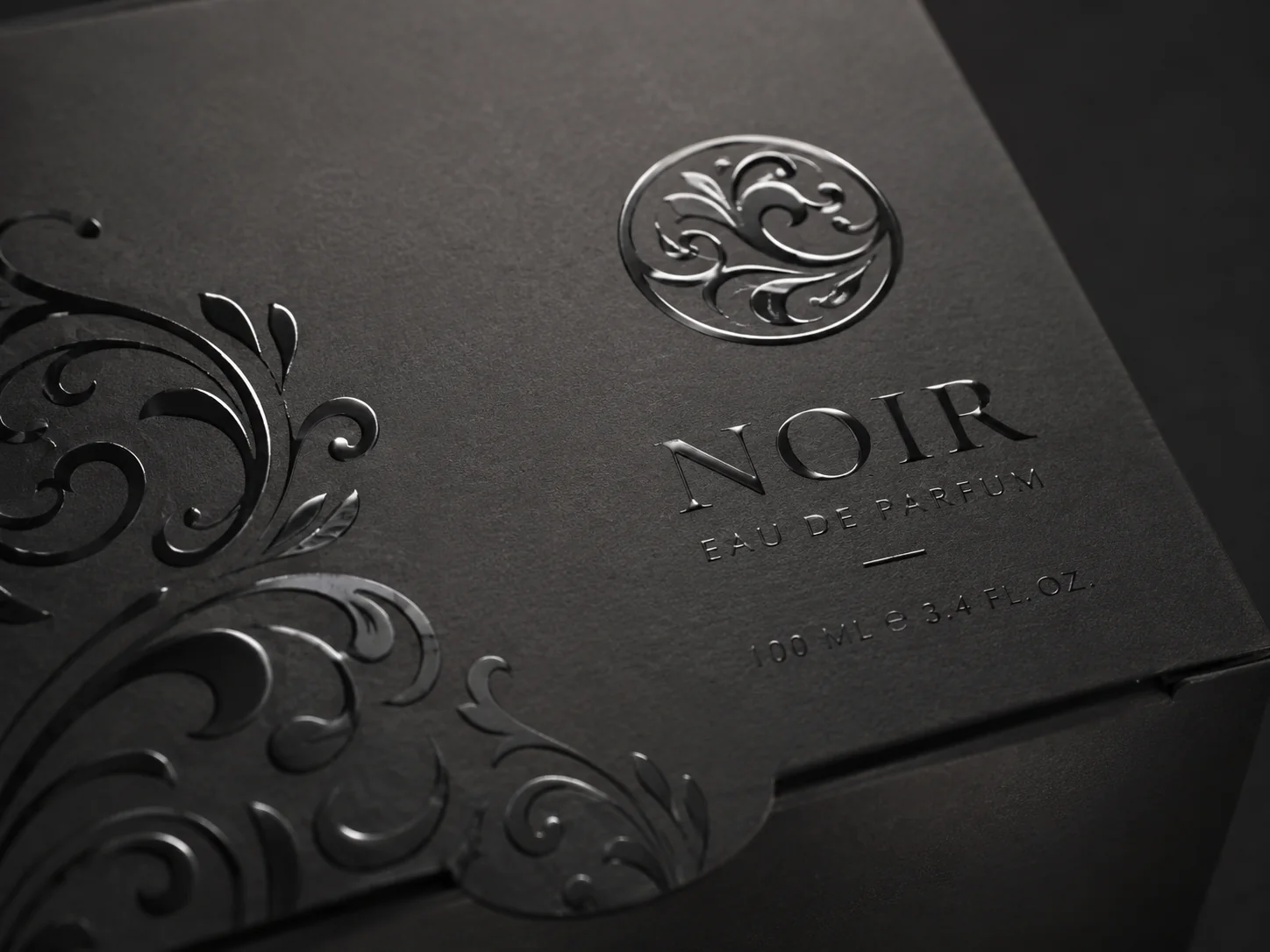
Coverage
Selected areas
A shape, not a flood. Gloss across the whole sheet is a UV coating.
Needs under it
A matte surface
The contrast is gloss against matte. On a gloss laminate the contrast is lost.
Three versions
Flat, raised, screen
They differ in how thick the coating sits and how small an element each holds.
Best at
Logotypes, defined shapes
The edge is as clean as the plate. A whole panel pattern is a drip off job.
Three thicknesses, one name
Flat, raised and screen-printed UV are the same idea at three film thicknesses, and the last frame is why that distinction is worth knowing: the thicker the coating, the larger the smallest element it will hold cleanly.
A cross-section showing how spot UV is applied to a carton, in 4 steps.
- Printed board. A printed sheet with nothing on it yet. Spot UV on this surface alone gives gloss against a semi-gloss printed ground, which is a difference most people will not see.
- The matte base. The base is half the finish. Spot UV is a contrast between two surfaces, so the matte film underneath is doing as much work as the coating on top of it.
- Coated to the plate. The coating is laid only where the plate puts it, and the plate is made from the layer you supply. A shape at 60 percent in the file is a shape 60 percent covered, which reads as a thin patch.
- Cured, at three thicknesses. Cured under ultraviolet light at the moment it is laid, which is what keeps the edge sharp. Flat is a change of sheen you cannot feel; raised and screen-printed stand off the panel.
01Printed board
Printed sheet, no base yet
Cross-section, magnified. Not to scaleHover a layer to name it
01/04Step through it
Flat, raised and screen-printed UV specification
Three processes sold under one name. What puts a job in one column or another is coating thickness and the smallest element in the design. The thicker the film, the larger the smallest thing it holds. The finishes index is set out the same way.
How each one reads
| Field | Flat spot UV | Raised or textured UV | Screen-printed UV |
|---|---|---|---|
| Tactile | No. A change of sheen, not of level. | Yes. The coating stands off the panel and a fingertip finds the edge. | Yes, and it is the thickest of the three. |
| How it reads | Gloss against matte, seen rather than felt | Gloss against matte, plus a physical step at the edge | Gloss, a step, and a texture where one has been specified |
How it runs, and what it sits on
| Field | Flat spot UV | Raised or textured UV | Screen-printed UV |
|---|---|---|---|
| Tooling | None. A plate is made from the layer you supply. | None. A plate is made from the layer you supply. | A screen, made from the same layer. |
| Base required | Matte laminate or matte aqueous coating | Matte laminate | Matte laminate |
| Over soft touch | Yes, and the contrast is the strongest available | Yes, and the contrast is the strongest available | Yes, and the contrast is the strongest available |
| Cost driver | Area covered | Area covered, and the thickness specified | Area covered, plus a separate pass |
| Also called | Spot gloss, spot UV | Raised UV, textured UV, 3D UV | Screen UV, silkscreen UV |
The effect depends on the base, so the matte base is part of this specification.
Send the file before plates are made
We open the spot layer, measure the smallest elements in it, and say which ones will not survive at the thickness you have specified.
Spot UV vs foil stamping: which contrast to use
Both put a bright element on a quiet panel. The choice is between gloss and metal.
| Compared on | Spot UV | Foil stamping |
|---|---|---|
| How the effect reads | A change of sheen. The panel color shows through the gloss | A change of material. The area becomes metal and the panel color stops there |
| Tactile | Flat UV is not. Raised and screen UV are | Yes, slightly, and fully so in a combination die with an emboss |
| Color options | Clear only. The color underneath is the color you see | Gold, silver, rose gold, holographic, matte and pigment foils |
| Tooling | None. A plate, or a screen for the thickest version | A die per design |
| Minimum detail | Limited by coating thickness. The thicker the version, the larger the smallest element | Limited by the die. Finer than any UV process at its best |
| Cost driver | Area covered | Area covered, and single or multi level tooling |
| On dark board | Reads strongly. Gloss on a dark matte ground is the highest contrast this finish reaches | Reads strongly. Foil adds brightness as well as sheen |
| Best use | Patterns, large logotypes, background textures and anything covering real area | Crests, wordmarks and hairline rules, where the area is small and the edge has to be crisp |
Where the contrast has to cover most of a panel instead of a defined shape, the cheaper route is full coverage contrast in one pass, which prices on a different basis.
How spot UV runs here
Flat spot UV runs inline
There is no separate pass to schedule and nothing goes to a second machine. A spot gloss pattern needs a coating unit and a plate, not an extra stage in the route through the plant.
The plate comes off the layer you supply
This is the most common source of spot UV faults. A shape at 88 percent black in a design file is a shape at 88 percent coverage in coating, and it comes back as a thin patch. The spot layer is a plate, and a plate has no halftones.
It cures as it is laid
The coating hardens under ultraviolet light in line, so it does not spread into the areas meant to stay matte, and the edge stays sharp.
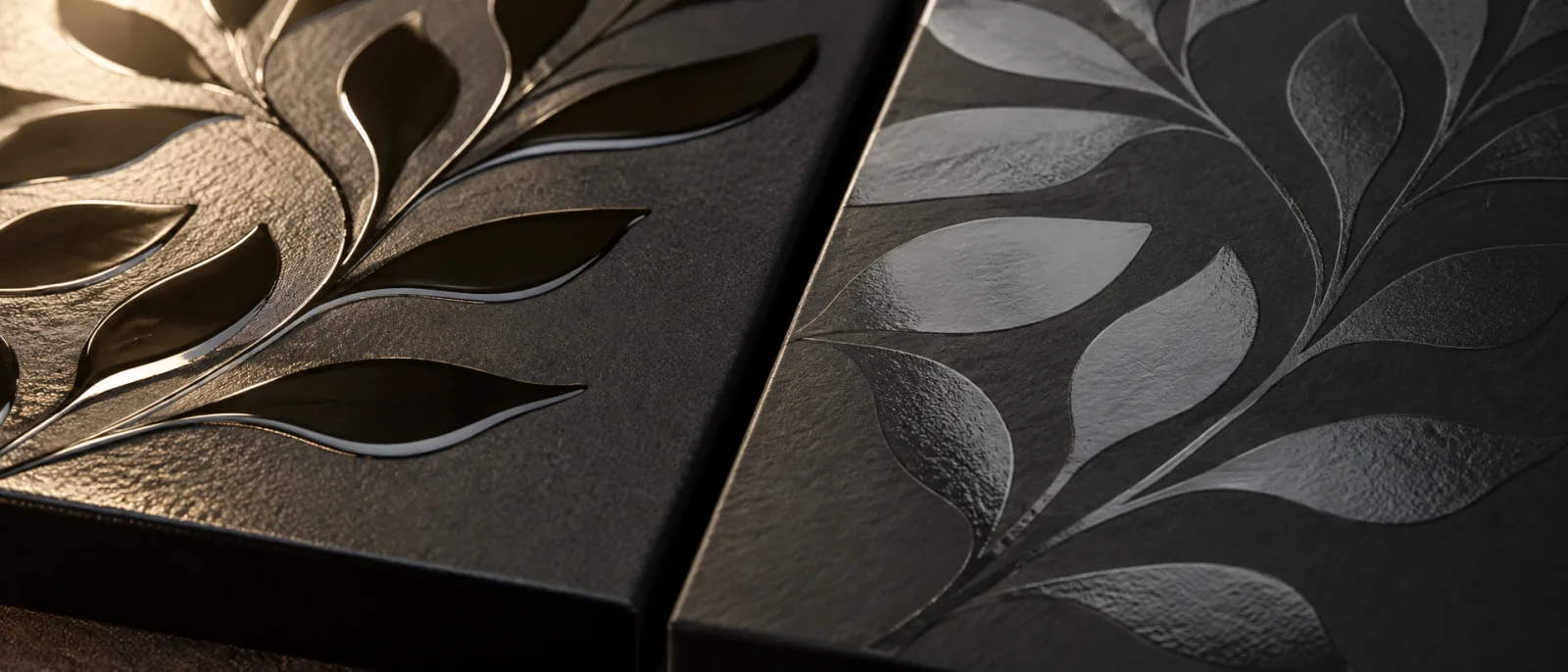
Flat and raised, on the same panel
One matte laminated panel, flat spot UV on one half and raised spot UV on the other, in the same pattern. They look alike on a screen and feel different under a thumb.
Cost logic
Flat spot UV is applied inline, so it adds no separate pass. Cost is driven by the area covered and by whether the effect has to be raised.
A small gloss logotype on a matte carton is close to free once the coating unit is running. A raised or screen version is a separate specification, priced as one.
What it costs against a US supplier
Landed cost runs 20 to 30 percent below a comparable US supplier quote. That is one price: board, printing, finishing, tooling, import duty, shipping and delivery to your door, with nothing added later.
Get a quoteWhen to specify spot UV, when not to
Use it when
The carton is already laminated matte.
Where a matte film is already on the specification, putting gloss on part of it is the smallest cost on this page.
The design has a pattern rather than a mark.
Spot UV handles large areas well, where foil gets expensive. A background texture across a whole panel suits it.
The effect has to be felt.
Raised UV puts a physical step on the panel with no tooling. It is the cheapest tactile finish for a carton.
Do not use it when
The carton is gloss laminated.
Gloss on gloss changes the level, not the sheen, and barely shows under store lighting.
The board is uncoated or kraft.
The coating soaks into the fiber instead of sitting on it. What comes back is a slightly darker patch, not a gloss.
The element is smaller than the coating will hold.
Fine type and hairlines close up as the coating levels. The thicker the version specified, the larger that threshold becomes.
Where spot UV goes, by category and structure
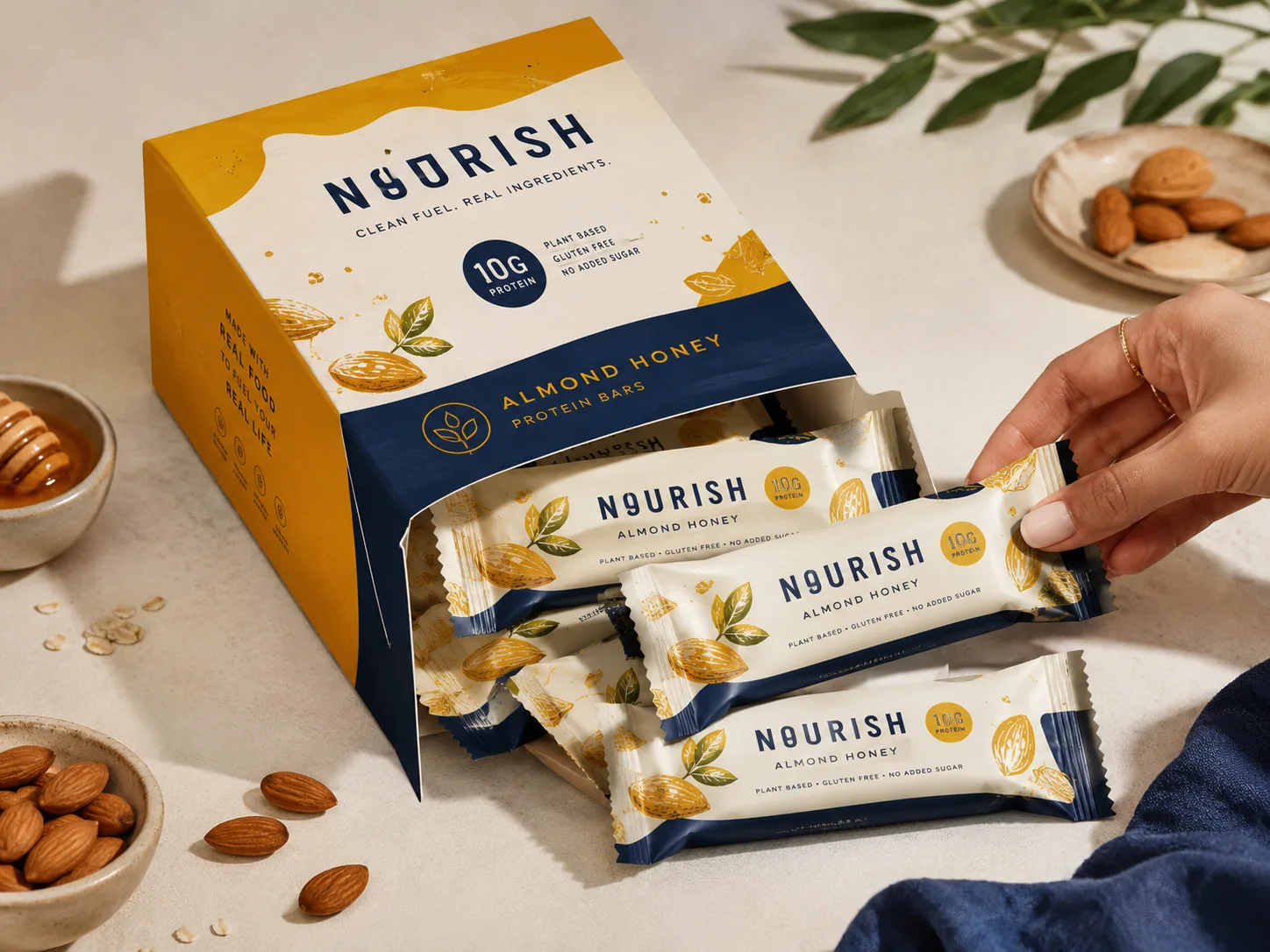
Spot UV belongs on categories that were going to be matte anyway. The last column is what the gloss is doing there.
Where the gloss wants a nap under it instead of a flat matte, the pairing is high gloss over a soft touch panel. It is the strongest contrast of any combination on this site.
| Category | Structure it usually sits on | What the gloss carries |
|---|---|---|
| Skincare and beauty | Straight tuck end, sleeve boxes | A botanical or geometric pattern across the face, logotype left flat |
| Supplements | Straight tuck end, reverse tuck end | The brand mark only, so the facts panel stays uninterrupted |
| Confectionery | Tray and sleeve, four corner | Product photography glossed and the surrounding ground left matte |
| Spirits | Tray and sleeve, hinge lid | A crest outline in gloss under or beside a foil block |
| Counter display | Counter display units | The header panel, where the unit is seen from a distance and under store lighting |
Questions about spot UV
A high-gloss coating applied to selected areas of a printed sheet instead of across the whole of it, and cured under ultraviolet light as it is laid down. Over a matte laminated carton it produces gloss and matte on the same panel. It needs no tooling: the shape is made into a plate from a layer supplied in the artwork file.
Thickness. Flat spot UV is a change of sheen you see but cannot feel, and it holds the smallest elements of the three processes. Raised or textured UV lays a thicker film so the coated area stands off the panel and a fingertip finds its edge, and screen-printed UV is thicker still. Each step up in thickness raises the smallest element the process will hold cleanly, so a design with fine detail usually needs flat spot UV.
Yes, though it is rarely done. The effect is a contrast between two surfaces, so a sheet with no matte base under it gives gloss against a semi-gloss printed ground, which is a difference most people will not see under store lighting. On uncoated or kraft board the coating soaks into the fiber and what comes back is a slightly darker patch. A matte aqueous coating is the lightest base that makes the effect work if a film is not wanted.
Yes. It is the strongest contrast available on a carton. A soft touch film has a nap to it, so a high gloss coating over it is a change of sheen and a change of texture at once: the coated shape reads bright and slick against a ground that is flat and slightly soft under the hand. Skincare and fragrance packs use the pairing more than any other category. The file is prepared exactly as it would be over matte film.
The coating is a small amount of cured material on the board surface. The answer depends on the base underneath. Spot UV over a matte laminate makes a laminated carton, and a laminated carton needs the film separated from the fiber before it can be repulped. Spot UV over a matte aqueous coating stays in the fiber stream. If recyclability is a stated requirement, specify the aqueous base and accept the slightly softer contrast that comes with it.
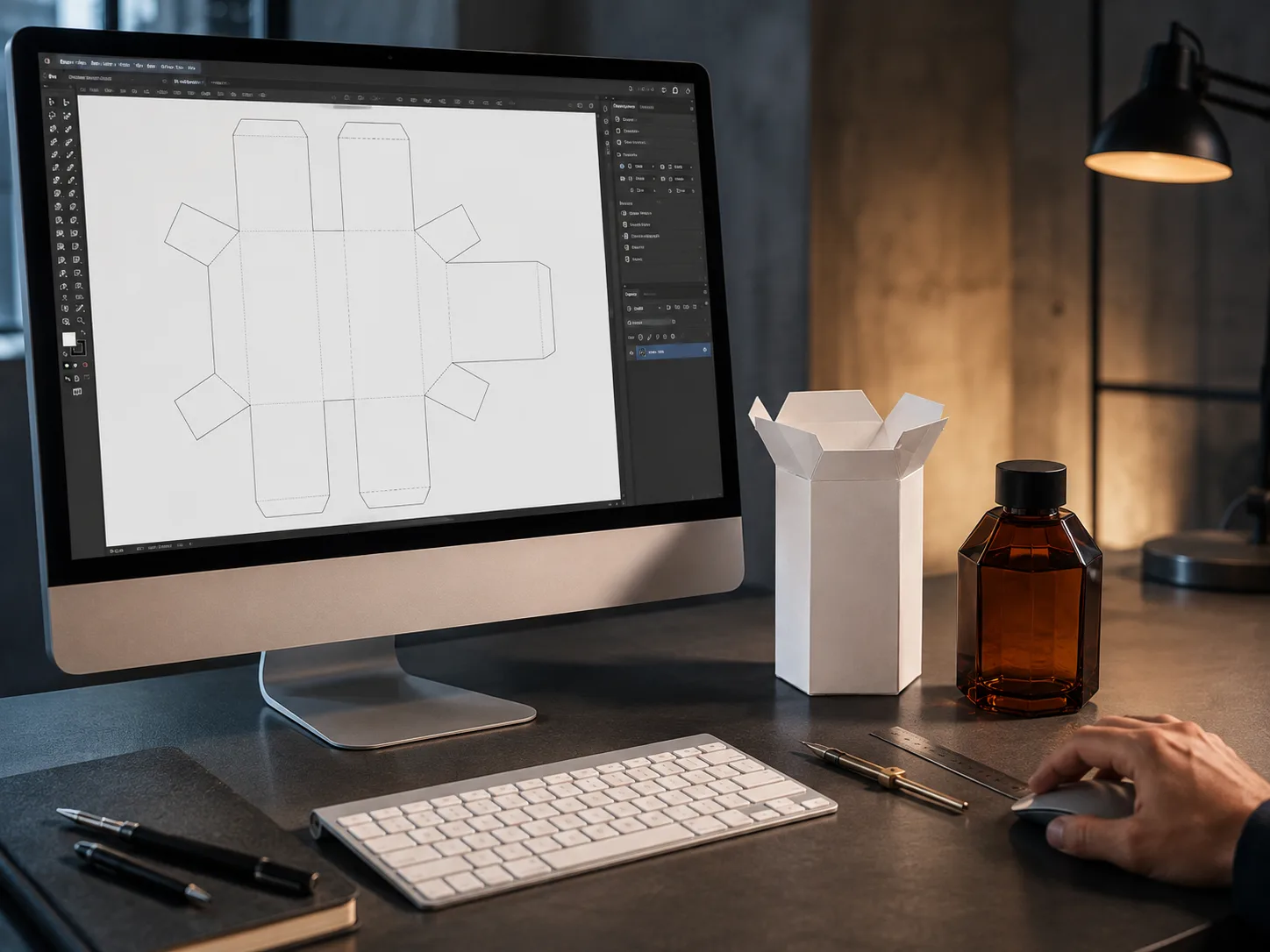
The same way in Illustrator and in Photoshop. In Illustrator, make a new spot swatch in the Swatches panel; in Photoshop, a spot channel from the Channels panel. Name it Spot UV and spell it the same way everywhere, since prepress separates on the name. Every element in it goes to 100 percent solid, never a tint: a coating has no halftone, so a shape at 70 percent comes back as a thin patch. Set the spot color to overprint, fill and stroke, or it knocks a hole in the artwork underneath. Keep it on one layer above the artwork and supply a layered PDF or the native file. If the design started as a raster image, build the channel from a selection rather than tracing it by eye.
Last reviewed
Send the spot layer and we will measure it
Swatches go out with flat and raised spot UV on one matte laminated panel. Send the file with the request and the smallest elements in your spot layer come back measured against what each process will hold.