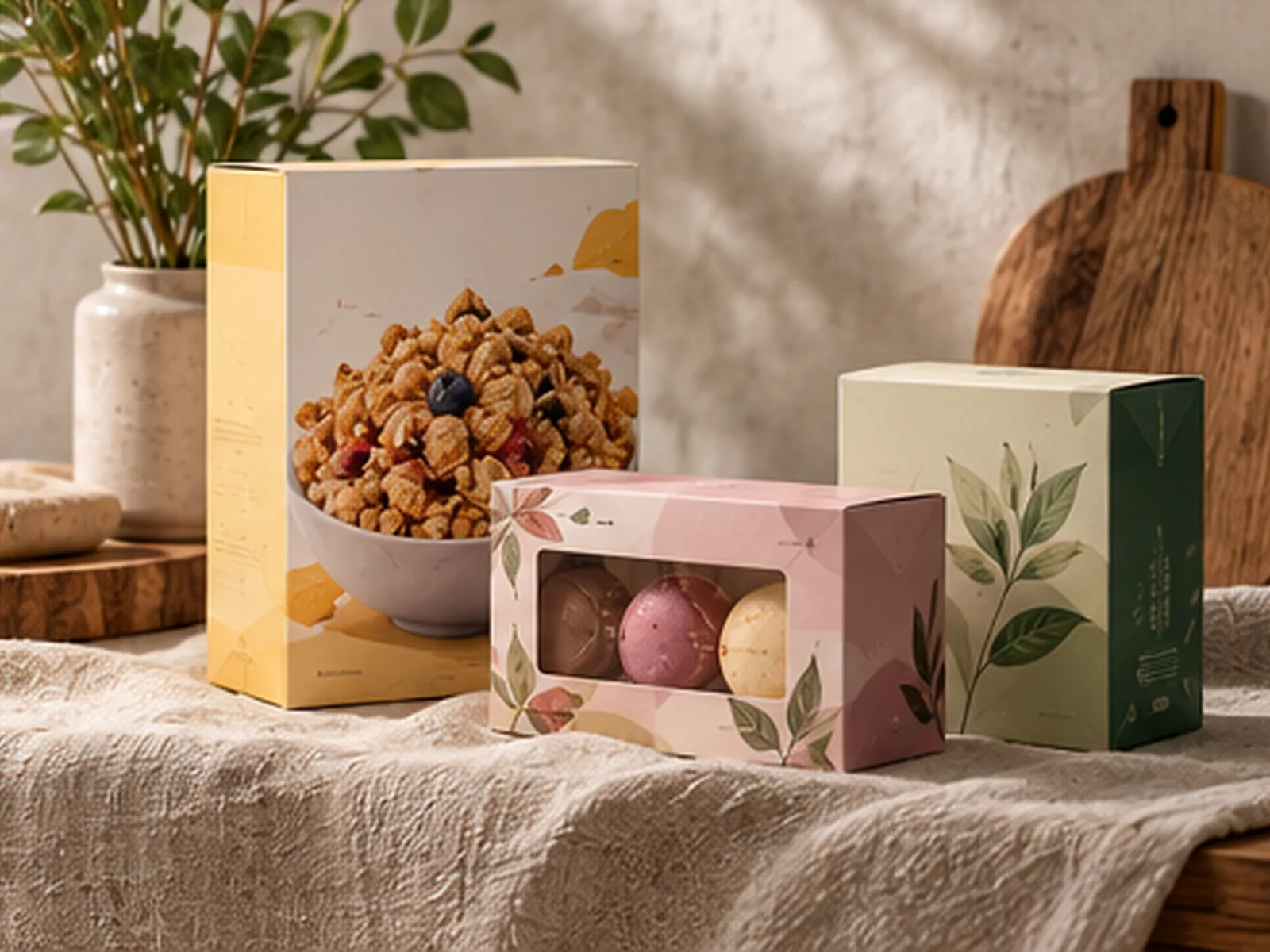
FOOD AND BEVERAGE
Food Packaging Boxes, Manufactured for US and Global Brands
Food packaging at Eastface means printed folding cartons, not bags, pouches, or films. We manufacture the paperboard boxes food and beverage brands put on US retail shelves: cereal and pantry cartons, snack and bar cartons, frozen food boxes, and beverage carriers, at landed pricing 20 to 30 percent below US supplier quotes.
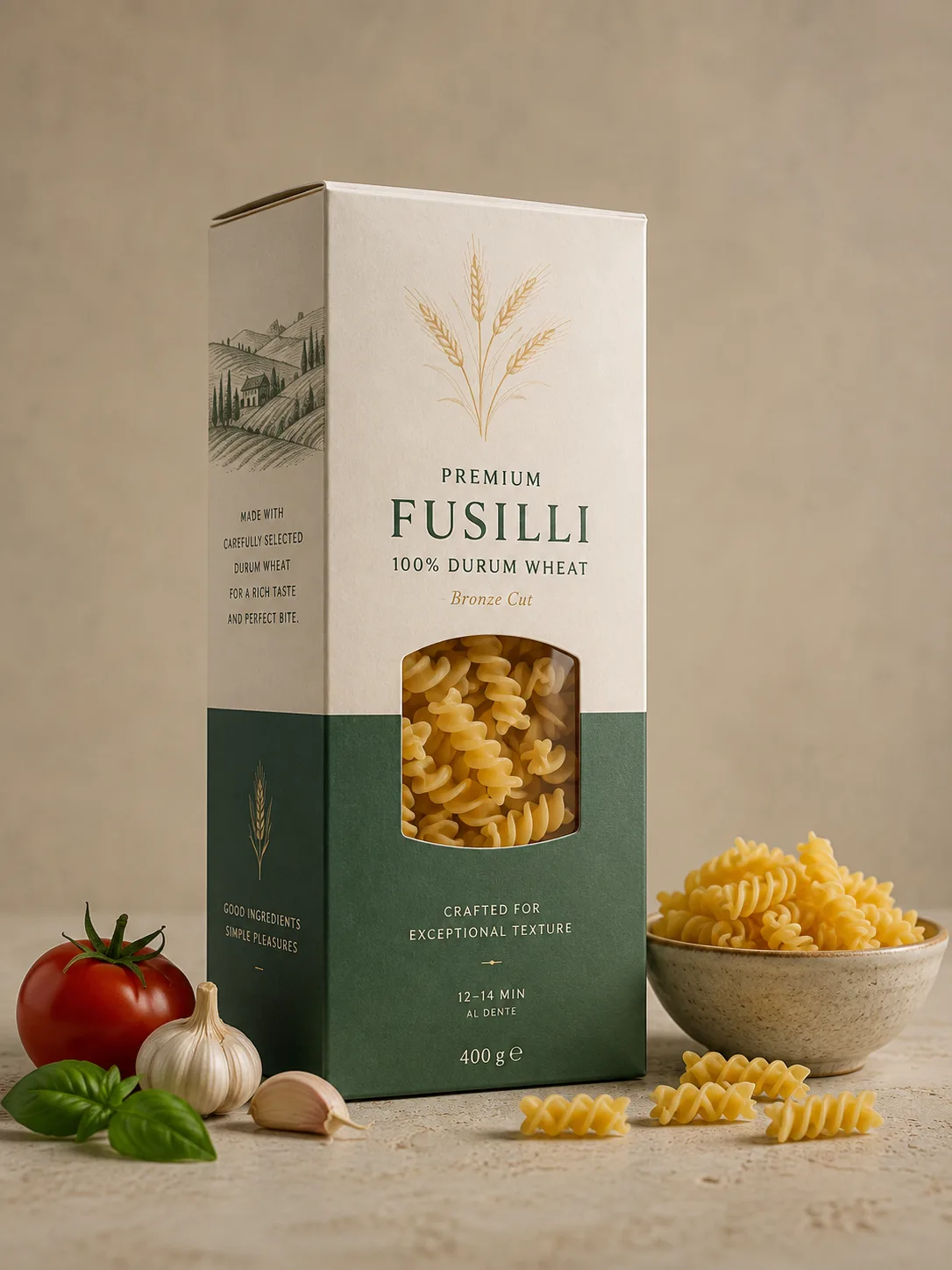
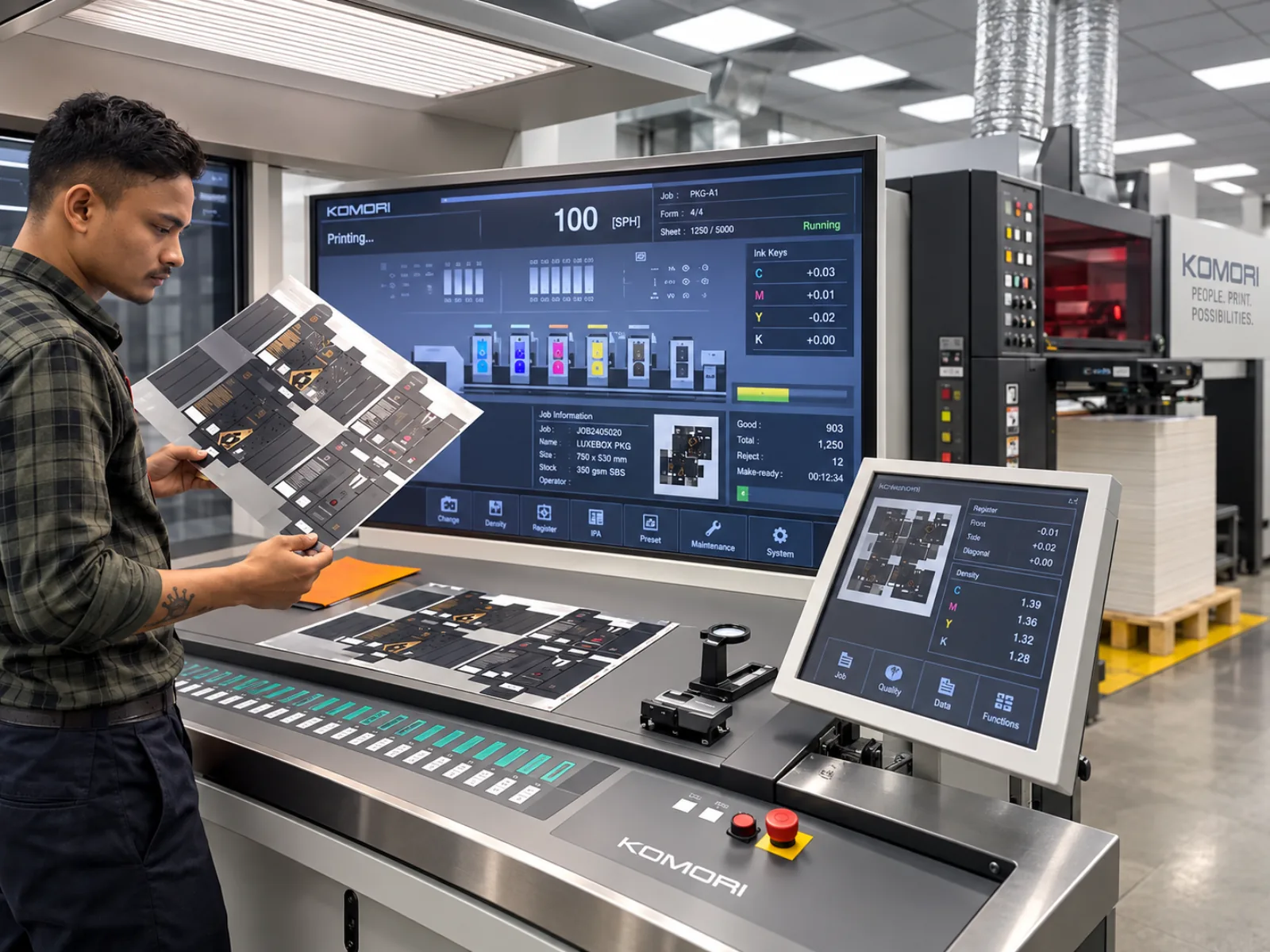
One plant prints, cuts, glues, and quality-checks every carton, from the cereal aisle to the freezer case.
Panel planning on the dieline, one color standard across the range, and a Certificate of Conformance available with every shipment. Duty and shipping are included in the price.
- BUILT TO FILL
- PRINTED TO HOLD
- PROVEN PER LOT
- DELIVERED TO YOUR DOCK
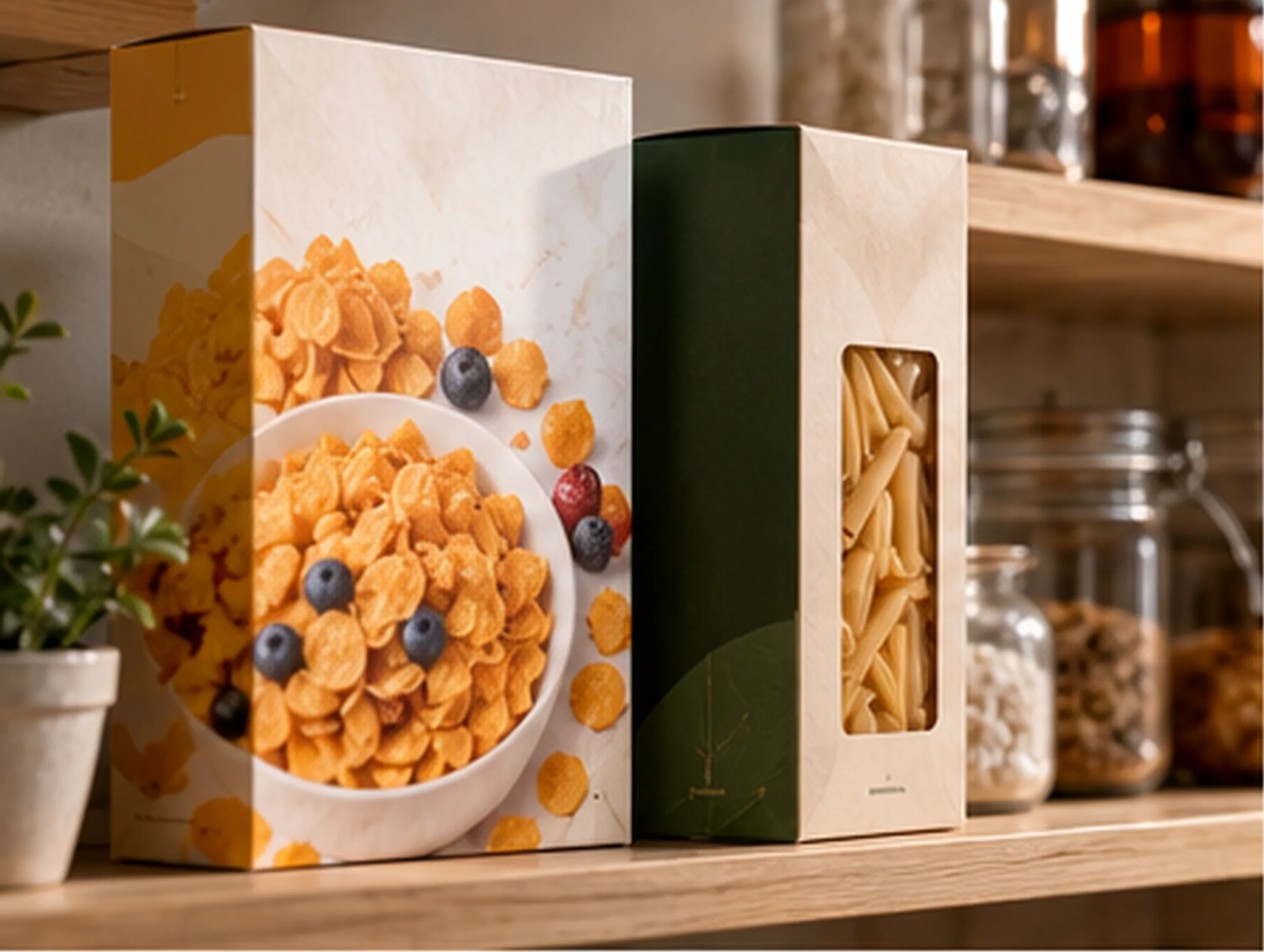
Cereal and pantry cartons
Custom cereal boxes are the reference format for American food retail: a seal end carton, printed six colors, that survives filling lines, case packing, and a week of breakfast handling. Cereal packaging runs here as printed and cut blanks, delivered flat for automated filling.
Pasta and noodles: Pasta boxes with or without windows, and noodle packaging in tuck and seal end formats.
Spice: Spice packaging where a dozen SKUs share one dieline and differ only by print.
Seasoning: Seasoning packaging programs run multi-SKU on one color standard, so the range reads as a set on shelf.
Structure: The seal end carton is the cereal construction, glued top and bottom for filled lines.
The Nutrition Facts panel, printed right
21 CFR 101.9 fixes the panel’s format, type sizes, and hairline rules. Hairlines and 6 to 8 point type only survive when ink density and registration are controlled on press; both are instrument-checked here.
Ingredients and allergens: Descending order of predominance, with the FALCPA Contains statement adjacent to the list. The dieline reserves the space.
Net quantity: The Fair Packaging and Labeling Act places net contents in the bottom 30 percent of the principal display panel.
UPC: Quiet zones and contrast held to scan spec at the case and the shelf.
Codes and disclosures: Codes applied as per your requirement, and reserved space for Prop 65 and bioengineered food disclosure where your counsel requires it.
Labeling compliance belongs to the brand and its regulatory counsel. Eastface prints approved artwork to specification and holds the print variables that keep panels legible and scannable.
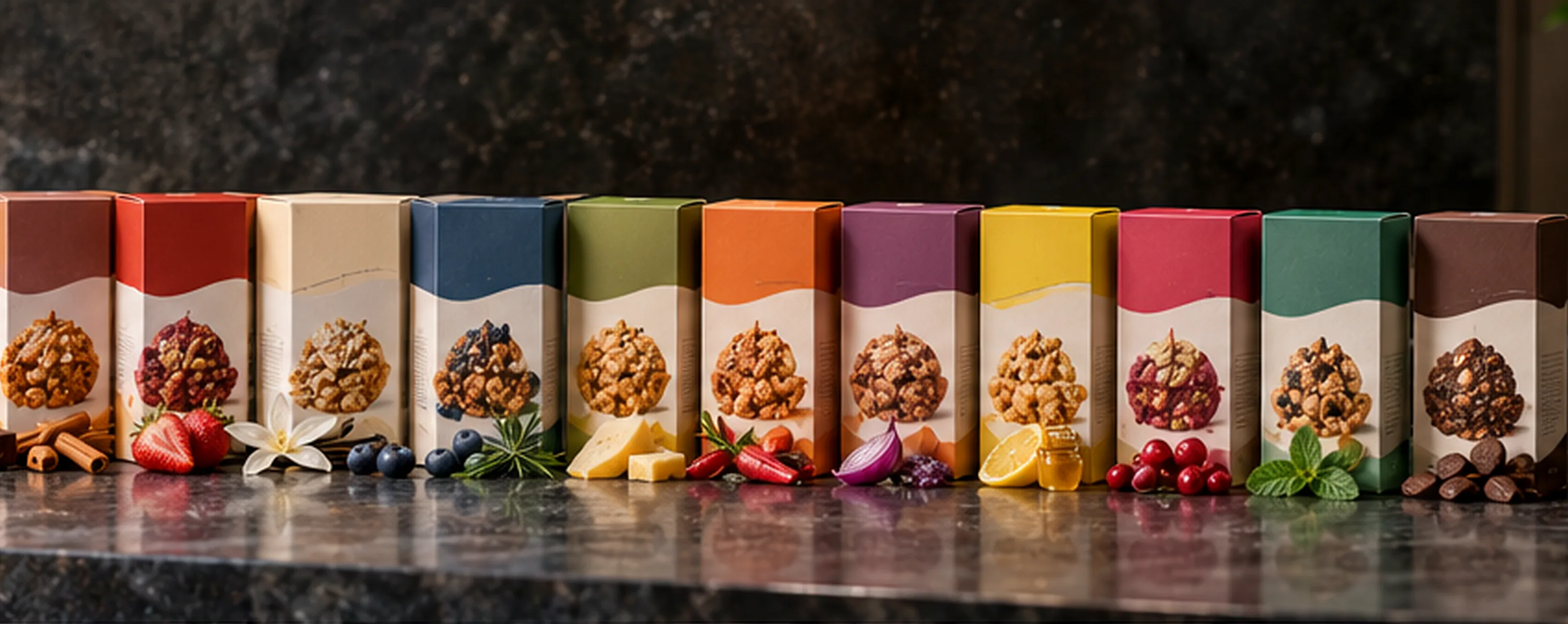
Twelve flavors, one color standard.
One dieline family, one shade card standard, instrument-checked density every run, and every SKU retrievable by part number at reorder.
Eight food carton formats
Custom food packaging starts from the product and the line that fills it. Custom food boxes are engineered against your fill weight, count, and case pack, and food boxes and packaging for regulated claims carry panel planning in the dieline. Bakery counter boxes, pizza boxes, and takeout containers are foodservice supplies and are not what this plant runs.
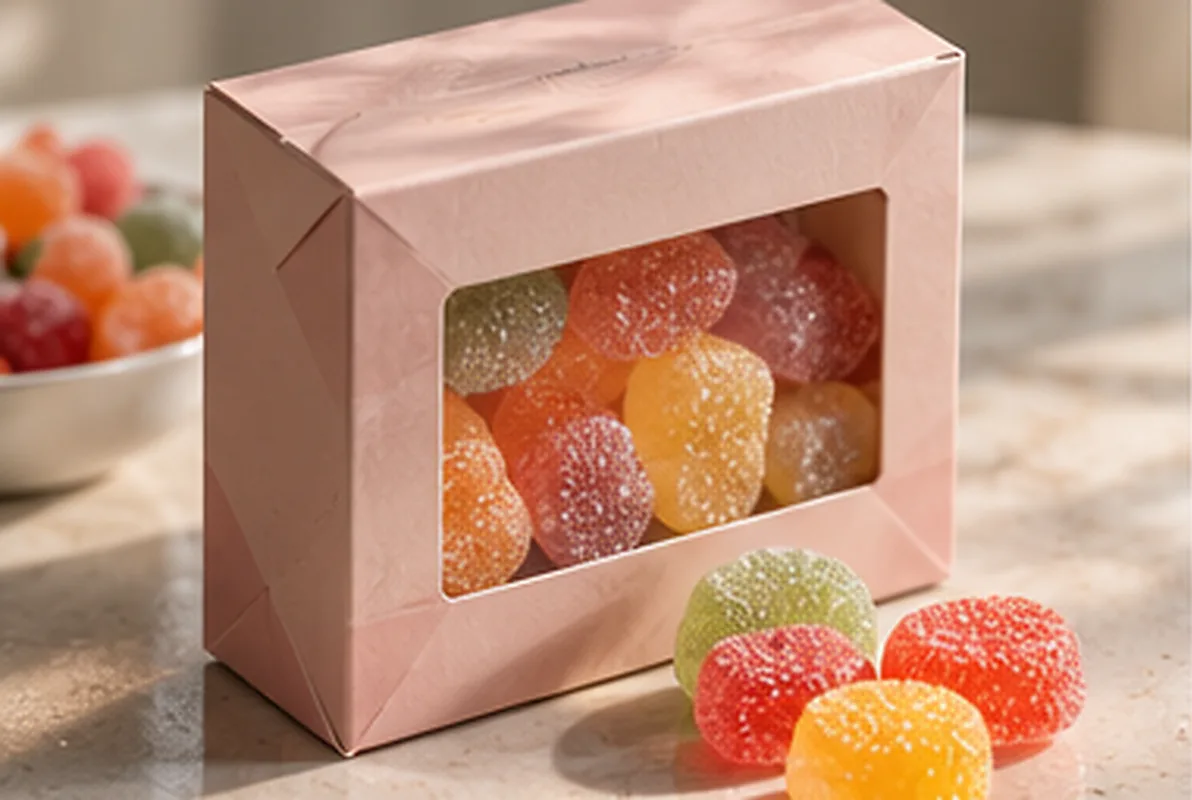
Candy and confectionery
Cartons and theater-style boxes for candy and gum lines.
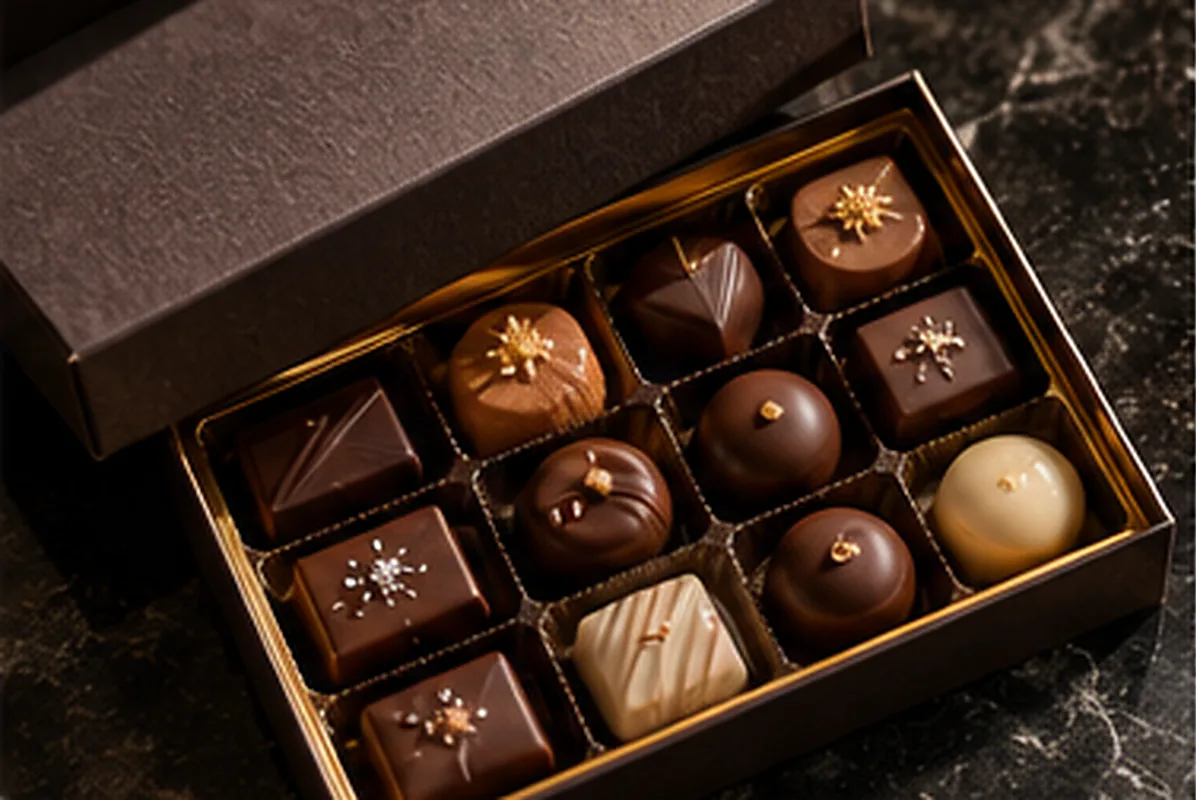
Chocolate boxes
Bar cartons, tablet sleeves, and assortment boxes.

Coffee packaging
Pod boxes and retail cartons for roasters.
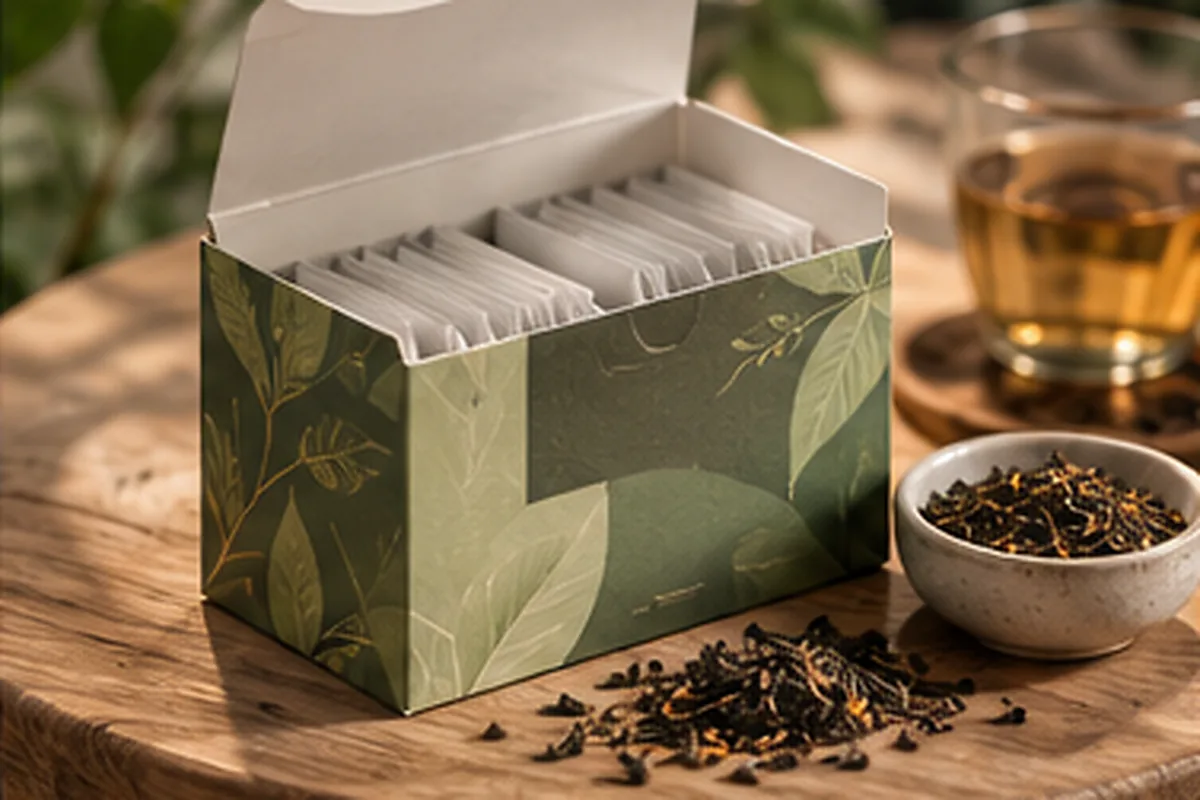
Tea packaging
Envelope-count cartons and loose leaf boxes.
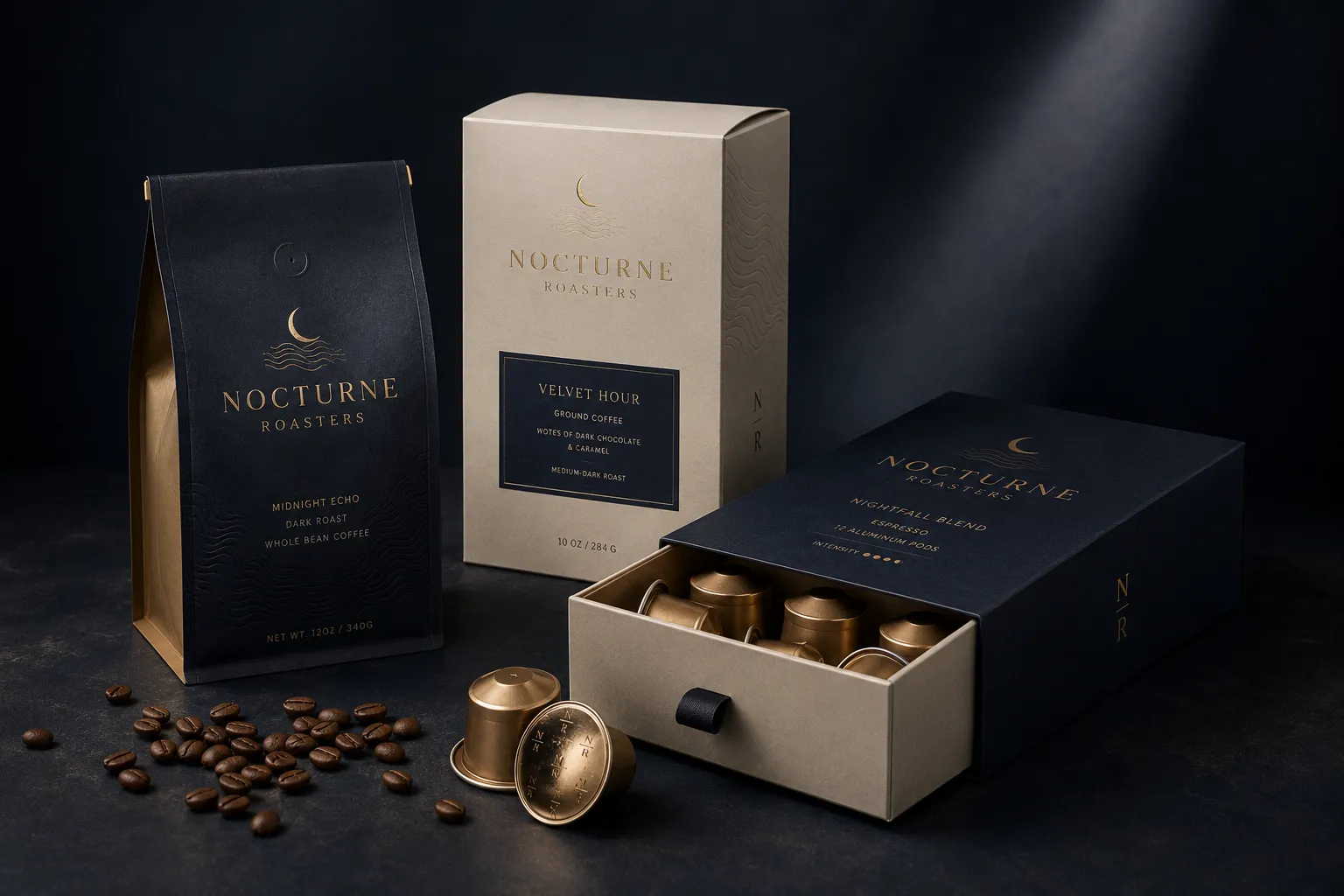
K-Cup boxes
Count-based pod cartons for single-serve programs.
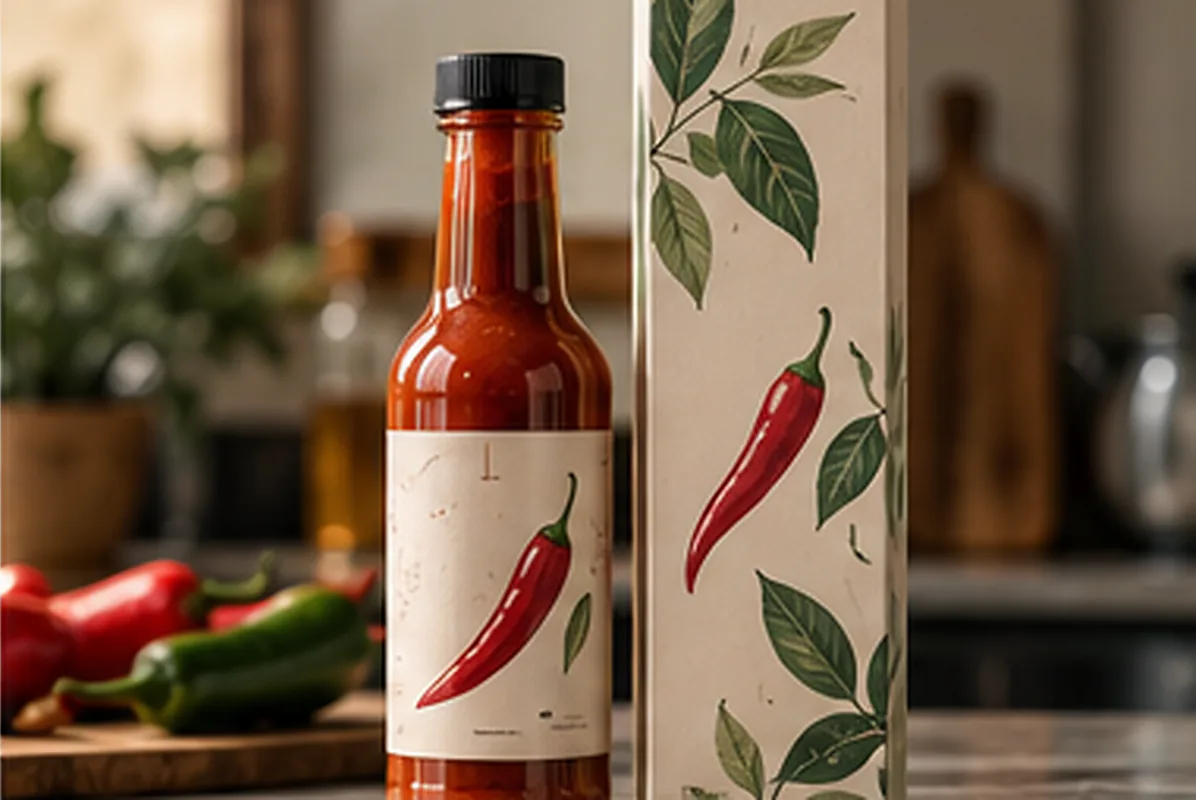
Hot sauce boxes
Single-bottle cartons and gift multipacks.
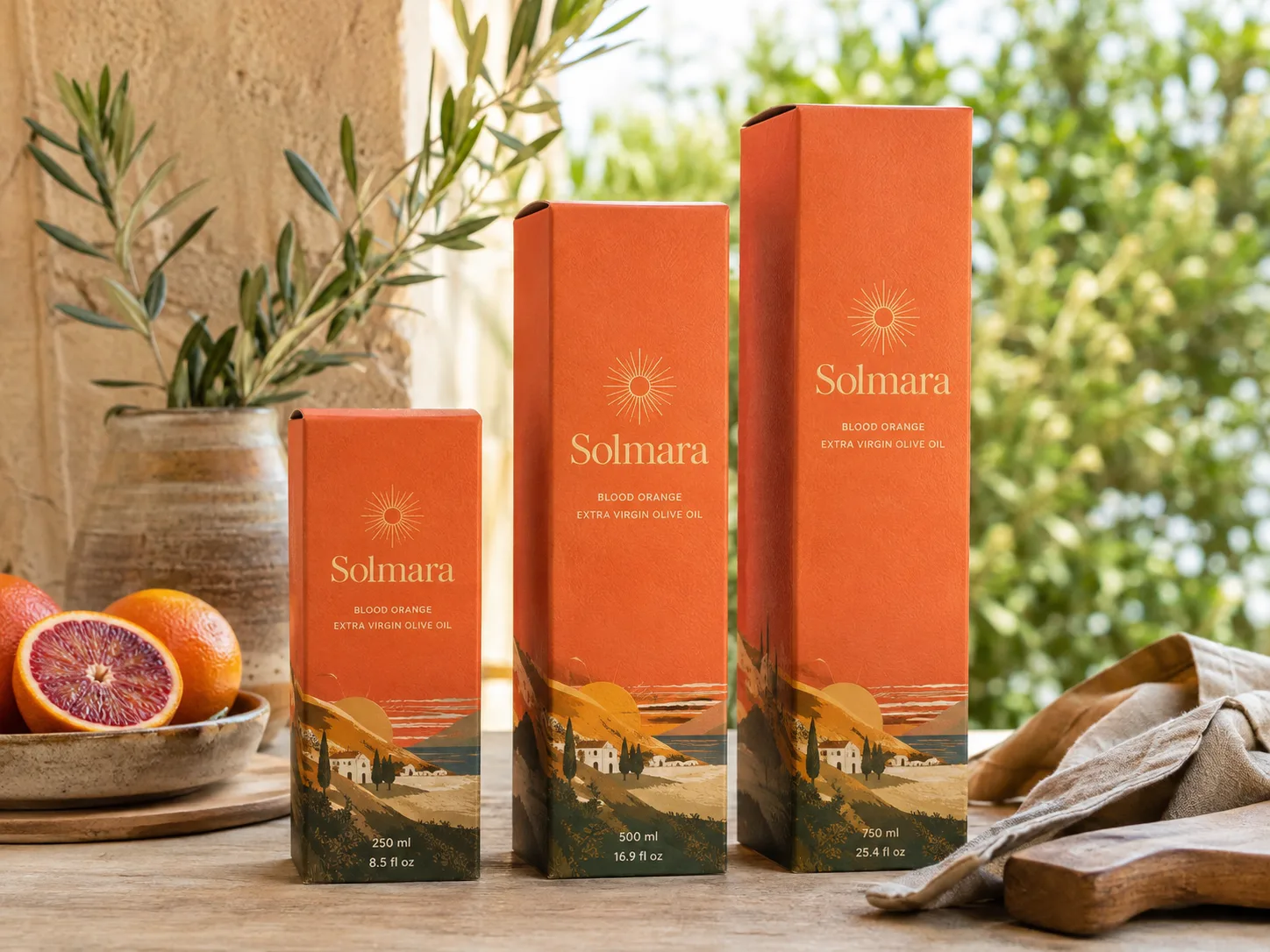
Olive oil boxes
Bottle cartons for shelf and gifting.
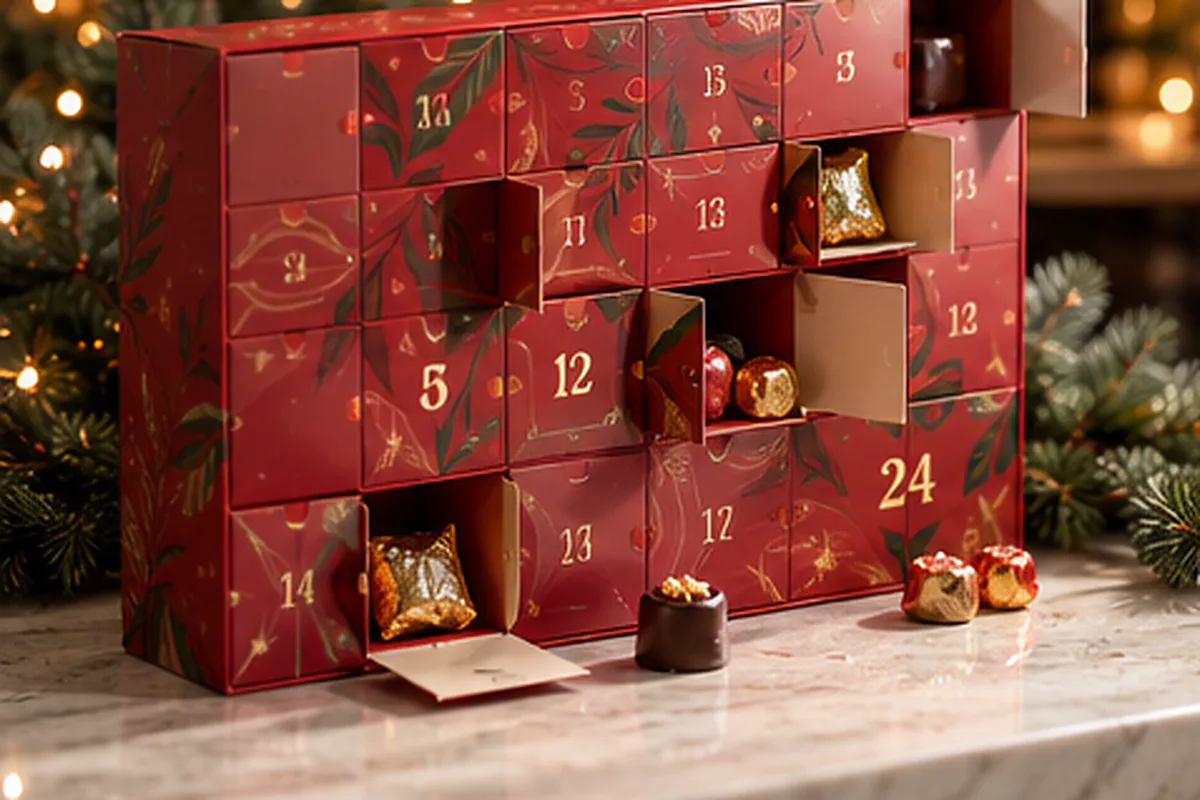
Advent calendar boxes
12- and 24-door seasonal builds.
What every run is held to
Print precision
Six-color UV offset with PDC-SG density control holding shade against the approved card.
Structural integrity
Dimensions verified against the approved dieline, every carton formation tested.
Batch consistency
In-process checks at each stage, defect sorting, and pre-dispatch inspection before release.
Launch readiness
Counted packing, batch labels, palletized with moisture safeguards, delivered to your dock.
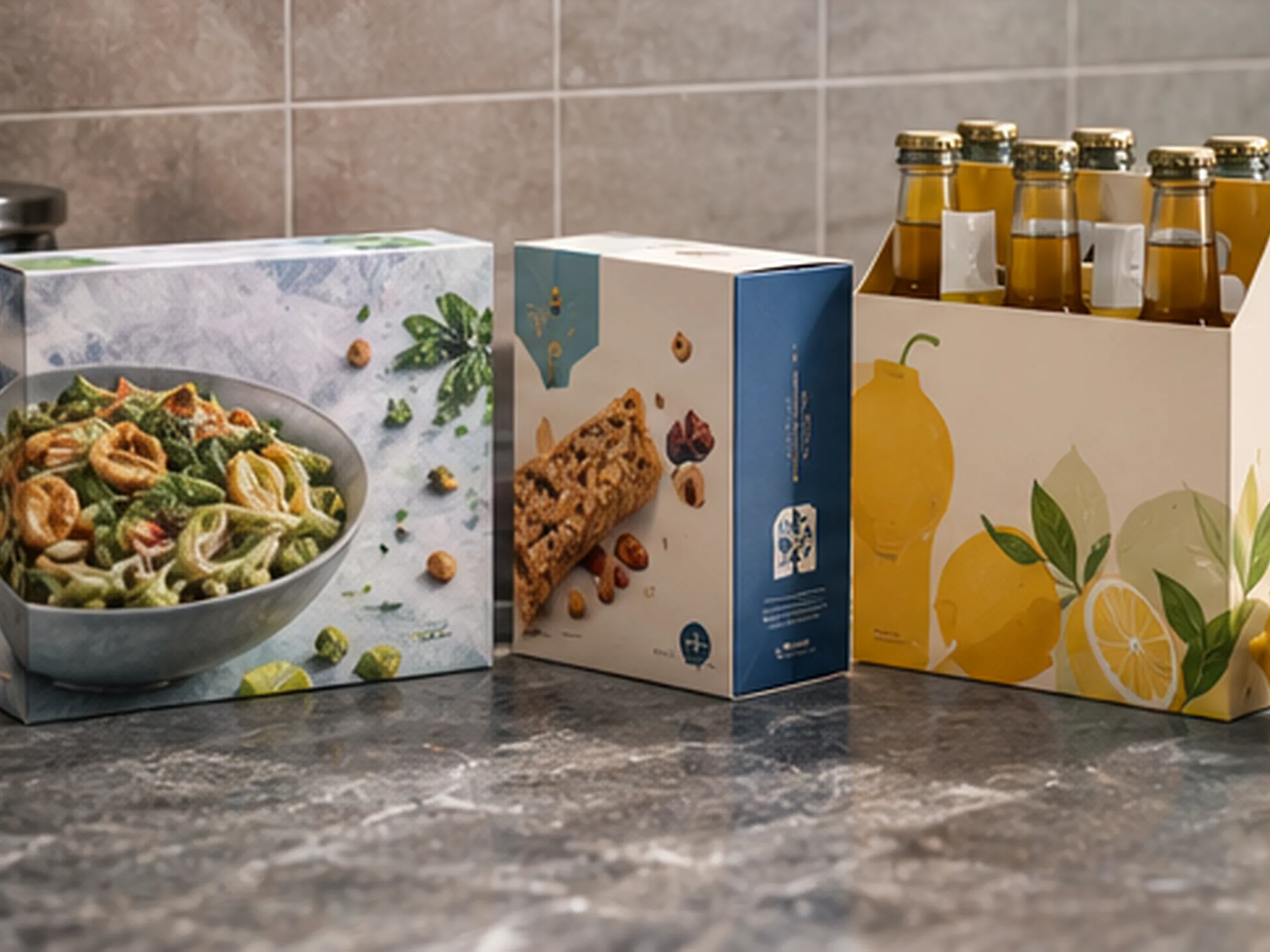
Snacks, frozen, and beverage
Snack packaging at retail is mostly a multipack problem: the pouch or flow wrap is primary, the printed carton is what merchandises it. Snack food packaging here covers count-based multipack cartons, display-ready cases, and shelf trays.
Bars: Protein bar packaging runs 12 or 16 to a carton that doubles as a shelf tray with a tear-away face. Snack bar packaging and energy bar packaging follow the same construction at different counts. Detail is on the display page.
Frozen: Frozen food packaging runs on board and coating combinations selected for cold display, in constructions that hold their glue line in the cold. Custom frozen food boxes are quoted from fill weight and case configuration.
Beverage: Custom beverage packaging means carriers and multipack cartons in two-, four-, and six-count formats, and beverage packaging boxes for mix and single-serve programs.
No thermal or insulation performance is claimed for the carton; cold chain is your logistics layer, and the carton is the branded unit inside it.
- Formats
- Cereal, snack, frozen, beverage
- Board
- SBS, FBB, kraft-back
- Six-color UV offset
- Finishing
- Aqueous, Lamination, Foil, Spot UV
- Standards
- BRCGS, SEDEX
- Delivered
- To your dock
- Duty and shipping included
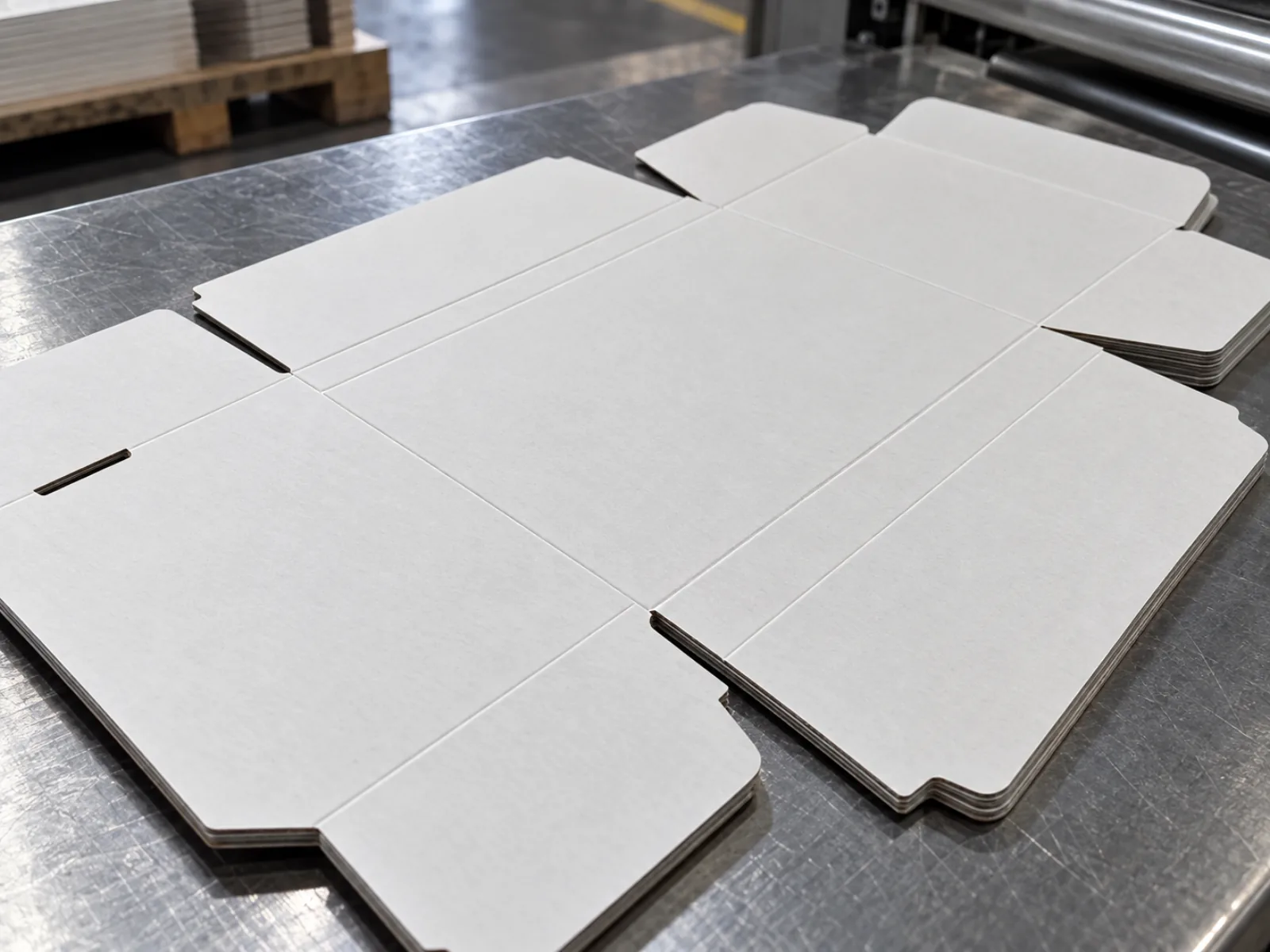
Standards, food contact, and documentation
For food buyers the standard that matters first: the plant operates to BRCGS, the packaging-materials standard US food procurement teams ask about, and to SEDEX for supply chain audit visibility. It is also certified to ISO 9001, ISO 14001, and ISO 45001, with FSC compliant paper sourcing.
Food contact: Most retail food cartons are secondary packaging and never touch food. Where a carton is the contact surface, it runs on food-grade board with a PE coating. 21 CFR 176.170 and 176.180 govern board and coatings, specified per project.
Sustainable: Sustainable food packaging here is a paperboard story: cartons are widely recyclable in US curbside streams. Eco friendly food packaging prices through board grade, coating, and coverage, and recyclable food packaging claims stay at the material level.
Lab and documents: Density control on press, rub resistance and carton formation testing, and a Certificate of Conformance available with every shipment.
Boards, carton styles, and finishes
SBS where the food side wants a bright clean interior, FBB for weight-efficient walls, kraft-back for natural-positioned brands; all board grades are stocked. Custom printed food packaging runs six-color UV with aqueous coating across the line, and lamination, spot UV, and hot foil carry the shelf-facing work. Commercial food packaging programs settle on one finish standard per range so reorders match. A standard US cereal box measures roughly 7.75 inches wide, 2 inches deep, and 11.75 inches tall, and family sizes run taller and deeper. Other markets run their own standard sizes, and every carton is cut to your dieline.
Cereal and pantry cartons
| Format | Typical contents | Typical US size, W x D x H (in) |
|---|---|---|
| Family size cereal carton | 18 to 24 oz | 9.5 to 10.5 x 2.5 to 3 x 12 to 13.5 |
| Standard cereal carton | 12 to 18 oz | 7.5 to 8 x 2 to 2.5 x 10.5 to 12 |
| Single-serve cereal carton | 1 to 2 oz | 3 to 3.5 x 1.5 x 4 to 4.5 |
| Pasta carton | 12 to 16 oz | 7 x 1.5 to 2 x 9 to 10 |
| Spice or seasoning carton | 1 to 4 oz | 1.5 to 2.5 x 1 to 1.5 x 3 to 5 |
Carton styles
- Seal end
- Glued top and bottom for filled lines, the cereal construction
- Straight tuck end
- Lighter retail units, front panel unbroken
- Reverse tuck end
- Lighter retail units, flaps opposed
- Crash lock bottom
- Jars and bottles, erects in one motion
- Sleeve box
- Trays and multipacks
- Window box
- Where the product sells itself
Food packaging questions
Landed pricing runs 20 to 30 percent below US supplier quotes for comparable folding cartons, with duty and shipping included. Send your current specification through the quote form and compare on your own numbers.
No. Eastface manufactures printed paperboard folding cartons only. If your product needs a pouch or flow wrap, that primary pack comes from a flexible packaging supplier, and we build the retail carton around it.
Most retail cartons are secondary packaging and never touch the product. Where direct contact applies, board and coatings are specified per project against the US paper and paperboard rules (21 CFR 176.170 and 176.180) and your product’s requirement. State the contact condition in your quote request and the specification comes back matched to it.
The panel format is fixed by 21 CFR 101.9, so the printer’s job is holding it: hairlines that stay hairlines, type at spec size, registration that keeps the panel scannable and legible. Eastface checks density on instrument during the run and can document each lot with a Certificate of Conformance.
Yes. Cereal cartons run as printed and cut blanks, delivered flat and built to run on automatic cartoners. The plant is sized for range-wide programs rather than sample runs.
Coating and glue selection, mainly. Cartons for frozen display are specified for condensation and cold handling, and constructions are chosen to hold their glue lines in the cold. The carton is not an insulation layer; your cold chain is.
Paperboard cartons are widely recyclable in US curbside streams and sourcing is FSC compliant. Compostability depends on coating choices and third-party certification programs; if your brand needs a certified compostable claim, raise it at quote stage and we will tell you plainly what the carton can and cannot carry.
That is what the program structure is for: one dieline family, one shade card standard, instrument-checked density every run, and every SKU retrievable by part number at reorder.
Yes, windowed cartons with patched film are a standard construction here; the Window Boxes page carries the specification detail.
The plant is certified to ISO 9001, ISO 14001, and ISO 45001 and operates to BRCGS and SEDEX, with FSC compliant paper sourcing. Standard-by-standard documentation is available on request.
Last reviewed
Quote your food cartons.
Send your specification through the quote form. The quote arrives landed, with duty and shipping included, and includes a structural recommendation.
Get a landed quote