Six corner tray
The same tray with the ends doubled back on themselves, for a wall height four corners will not hold.
See the structure: Six corner trayFOLDING CARTONS
A four corner tray is a folding carton cut from a single blank, with a wall folded up on each of the four edges of the base and a glued ear holding the walls to one another at each of the four corners. It has no lid of its own.
It is the cheapest way to get a squared, self-supporting box out of folding board: one piece and one set of tooling.

The blank is a plus. The base is the middle of it, the four walls hang off the four edges, and the small tapered flaps at the corners are the ears the glue goes on.
How a four corner tray is made, in five steps.
Drawn to illustrate the structure. Your dieline is developed to your product, free, before you commit.
Ask for a structural designTwo beats and it is a box. The four walls come up together, then each ear folds in behind the wall next to it and takes the glue. Nothing laps, nothing tucks, and there is no flap left over. It is the simplest squared container this plant runs.
The count in the name is the count of joints. Four ears, four glue lines. The wall height the structure will hold is set by how much board each of those four has to hold up. Past that, the answer is the six corner tray, which puts a third joint at each end.
A tray corner is two walls meeting at a right angle. The ear joins them.
It is cut as part of one of the two walls, folded in behind the other one, and glued flat against it. The load runs through the glue. The ear is tapered so it lies flat behind the wall; a square ear would foul the wall first, and a joint that does not lie flat opens the first time the tray is lifted by its rim.
A four corner tray is also cut with a relief between the ear and the wall beside it. The knife separates the two so the ear folds on its own hinge, and leaves a small notch in the blank.


Four glued ears hold the whole box together.
A four corner tray has no lid. The closure is specified separately and can be changed without new tray tooling.
The tray is the pack. Used inside a shipper, inside a gift box or behind a counter, where the contents are meant to be seen and taken. Cheapest of the four, and the only one with no second piece to align.
A printed band around the tray, which is where most of the graphic ends up. Two pieces, one of them almost all print surface, and a seasonal variant becomes a sleeve change rather than a new tray.
Learn more: A sleeveA deeper sleeve the tray is drawn out of like a drawer. Rigid box presence at folding carton freight, with a slow reveal.
Learn more: A fitted outerA second tray, cut a shade larger, sitting over the first. Two tools, and a set tolerance between them. Used where the pack is meant to be kept rather than opened once.
This is the comparison a tray brief usually arrives with. The two are good at different things.
| Four corner folding tray | Rigid set-up box | |
|---|---|---|
| How it is made | One printed blank, cut, creased and glued at four corners | Chipboard cut and formed, then wrapped in a separately printed sheet |
| How it ships to you | Flat, glued. A carton of trays is mostly trays | Assembled and rigid. A carton of boxes is mostly air |
| Freight | Low. The largest cost difference between the two | High, and it does not improve with volume |
| Offset on the board itself, edge to edge, with the finishes on the same sheet | Offset on the wrap, with a visible turn-in at every edge | |
| Tooling | One cutting die | A die, a former and a wrapping setup |
| Where it wins | Volume, freight, print, and a closure that can change without new tooling | Wall thickness you can feel, and a lid that stays where it is put |
A tray under a fitted outer sits between the two. It is what most briefs that mention rigid end up specifying.
A four corner tray holds its shape because four glued ears hold four walls upright. That has a working limit.
The limit is a ratio between wall height and base. As the wall gets taller, the ear is holding a longer lever, and the first thing to go is the middle of the long wall, which bows outward away from the corners holding its ends. A shallow tray has too little wall to bow.
Which answer is right depends on why the tray is deep. If the contents are heavy, the board goes up a grade and the tray stays four corner. If the wall is tall, the structure changes: a six corner tray doubles the end walls back on themselves and takes the joint count to six.
Settle it before the artwork, because it changes the blank. A tray that grows 10 millimeters in wall height late in a project needs a new cutting die.

Apparel has long been packed in trays, because of the shape of what goes into them.
A folded shirt, a scarf, a set of socks or a stack of linens is wide, flat and light. It needs area rather than depth, and a wall low enough that the fold is the first thing seen when the tray is uncovered. A four corner tray fits: a large base, a shallow wall, four glued corners, and no lid of its own, so the closure is specified separately and can change with a season without new tray tooling.
On a garment tray, a wide base flexes long before any joint does, so the board is specified against the span as well as the weight. A tray meant to be lifted by its rim while full goes up a grade for that alone. Stiffness is measured in machine and cross direction on every production run here.

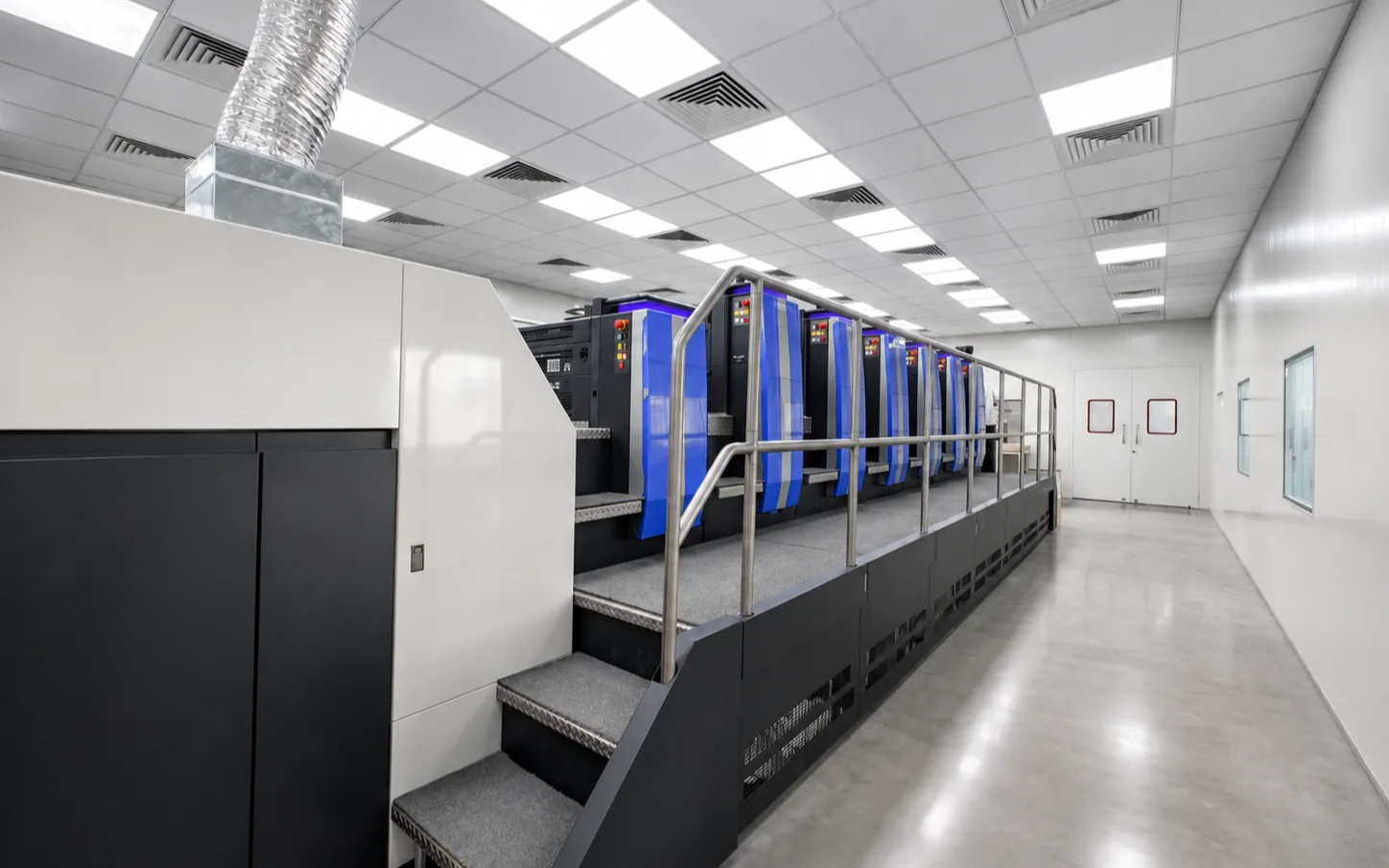
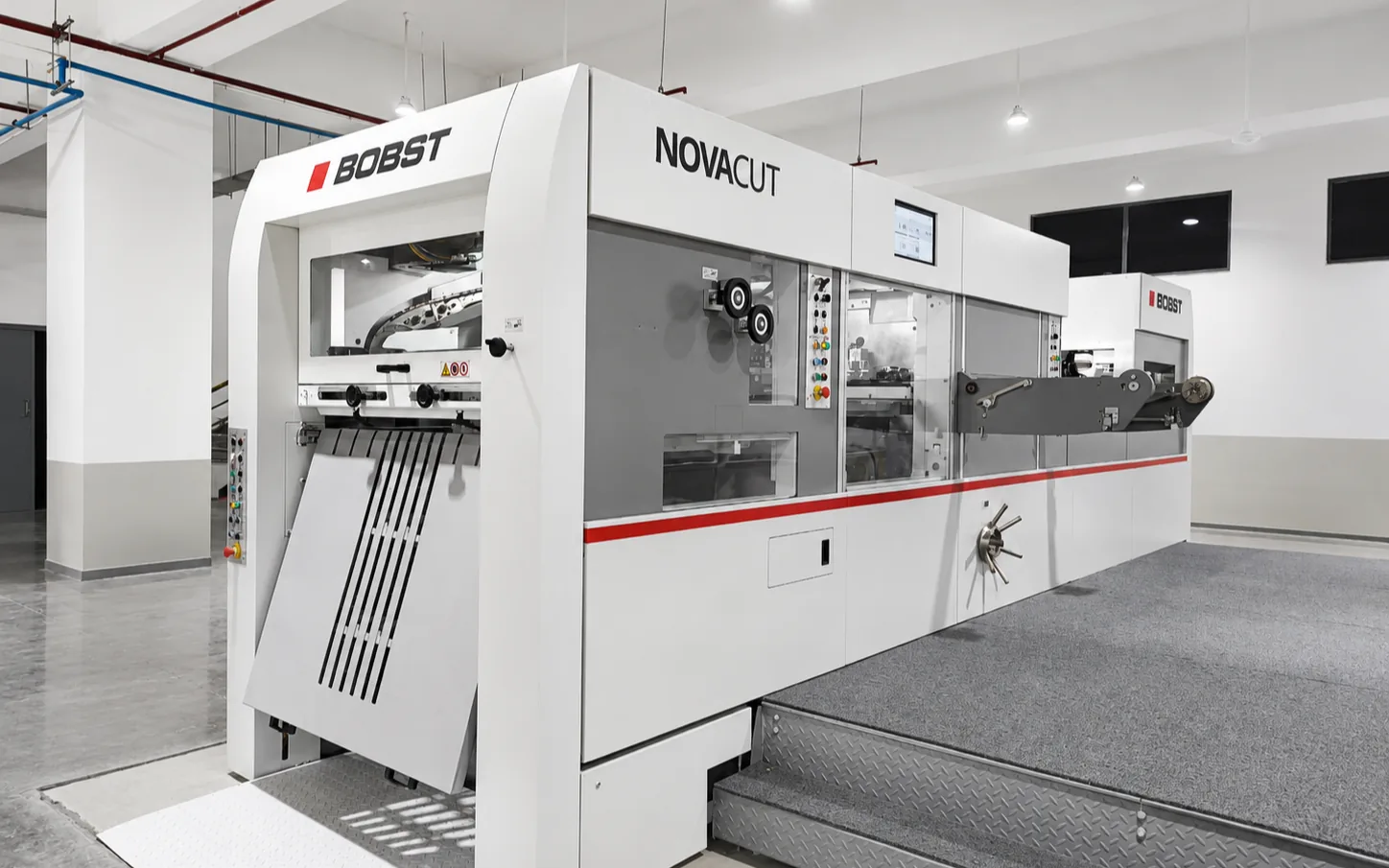
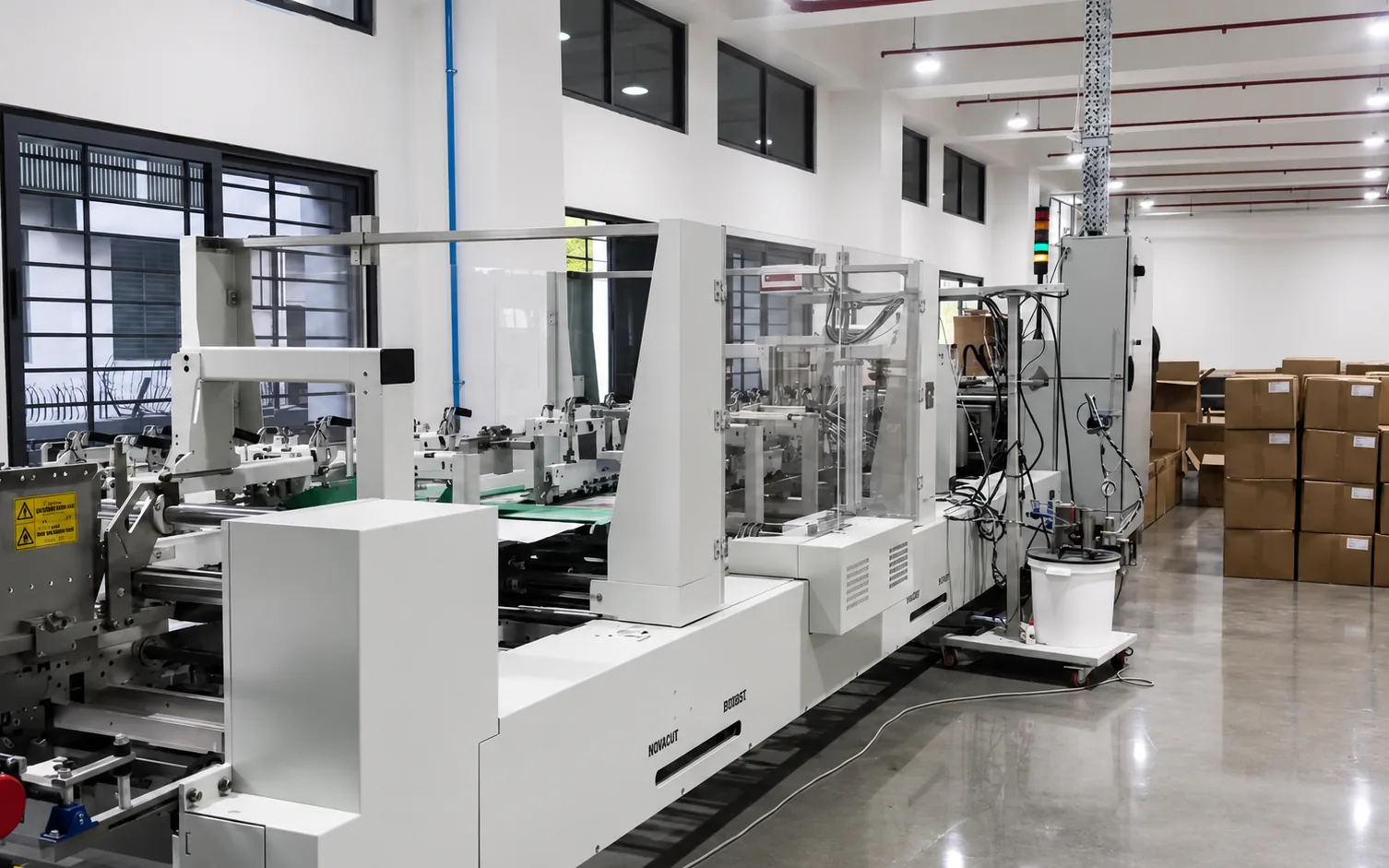
A tray is a gluing job more than a printing one. The four ears go down on the same Bobst line that closes the tuck cartons, with the corner squareness checked off the folder rather than at the pack bench. A tray out of square will not take its own sleeve.
Cartons here are made on bulk production runs, and the cost per carton falls as the run grows, because plates, tooling and make-ready are fixed per run rather than per carton. A quote is priced against the volume you are planning. Landed pricing typically runs 20 to 30 percent below comparable US supplier quotes for the same specification. The quote is one landed price: the cartons, tooling, structural design, proofing, the documents that travel with the order, import duty, shipping and delivery to your address, in the US or anywhere else. Nothing is quoted on top of it later.
A tray is often half a pack. These are the three structures it is most often specified with here.
The same tray with the ends doubled back on themselves, for a wall height four corners will not hold.
See the structure: Six corner trayThis tray inside a fitted outer, drawn out like a drawer. The rigid box alternative.
See the structure: Tray and sleeveThe printed band that goes around it, when the tray holds the product and the sleeve carries the print.
See the structure: Sleeve boxesA tray inside a fitted outer is the structure most brands asking for rigid end up with. The economics, the tolerance between the two pieces and the reveal itself are all on that page.
Tray and sleeve
A four corner tray is a folding carton cut from a single blank, with a wall folded up on each of the four edges of the base and a glued ear holding the walls to one another at each of the four corners. It has no lid: the closure, where there is one, is a separate sleeve, a fitted outer or a second tray sitting over it.
Because there are four glue joints, one at each corner, and they hold the whole box together. The number in the name is a joint count. The next structure up is called six corner because it adds a third joint at each end by folding the end wall back on itself over the ears.
A folding tray is printed on the board itself, ships flat and costs a fraction of the freight; a rigid box is chipboard wrapped in a separately printed sheet, ships assembled and feels heavier in the hand. For most programs the deciding factor is freight, because a shipping carton of folding trays is mostly trays and a shipping carton of rigid boxes is mostly air. Where a brand wants rigid presence at folding economics, the answer is usually a tray under a fitted outer sleeve.
The limit is a ratio between wall height and base, not a fixed figure. As the wall gets taller the long wall bows outward before any joint fails. Where the contents are heavy the answer is a heavier board; where the wall is tall the answer is a six corner tray, which doubles the end walls and takes the joint count to six.
Not as part of the same blank: a four corner tray is a base and four walls and nothing else. A lid is a second piece, and there are three usual ones. A printed sleeve around the tray, a deeper fitted outer the tray is drawn out of, or a second tray cut a shade larger sitting over the first. Because the closure is separate, it can change without new tray tooling.
Yes, cut on the same die cutter from the same board. Fitted pads, dividers and platforms are all folding board work. Send the product rather than the dimensions: the fitment is drawn to the thing it holds and comes back as a physical prototype before any tooling is committed.
Yes. Send the tray and, if there is one, the insert, because the fitment sets the internal dimensions. The structure is measured, board and caliper matched, and color matched to your existing standard under D65 and TL84 viewing conditions. Most switching programs are matched from a sample rather than rebuilt from a specification.
Last reviewed
Tray dimensions come from the contents and the fitment. Send the product or a sample of it and the structure comes back drawn to it, with the wall height settled and a prototype to load before anything is tooled. A packaging planner replies within one business day.