FINISHES
UV, aqueous and varnish coating for boxes
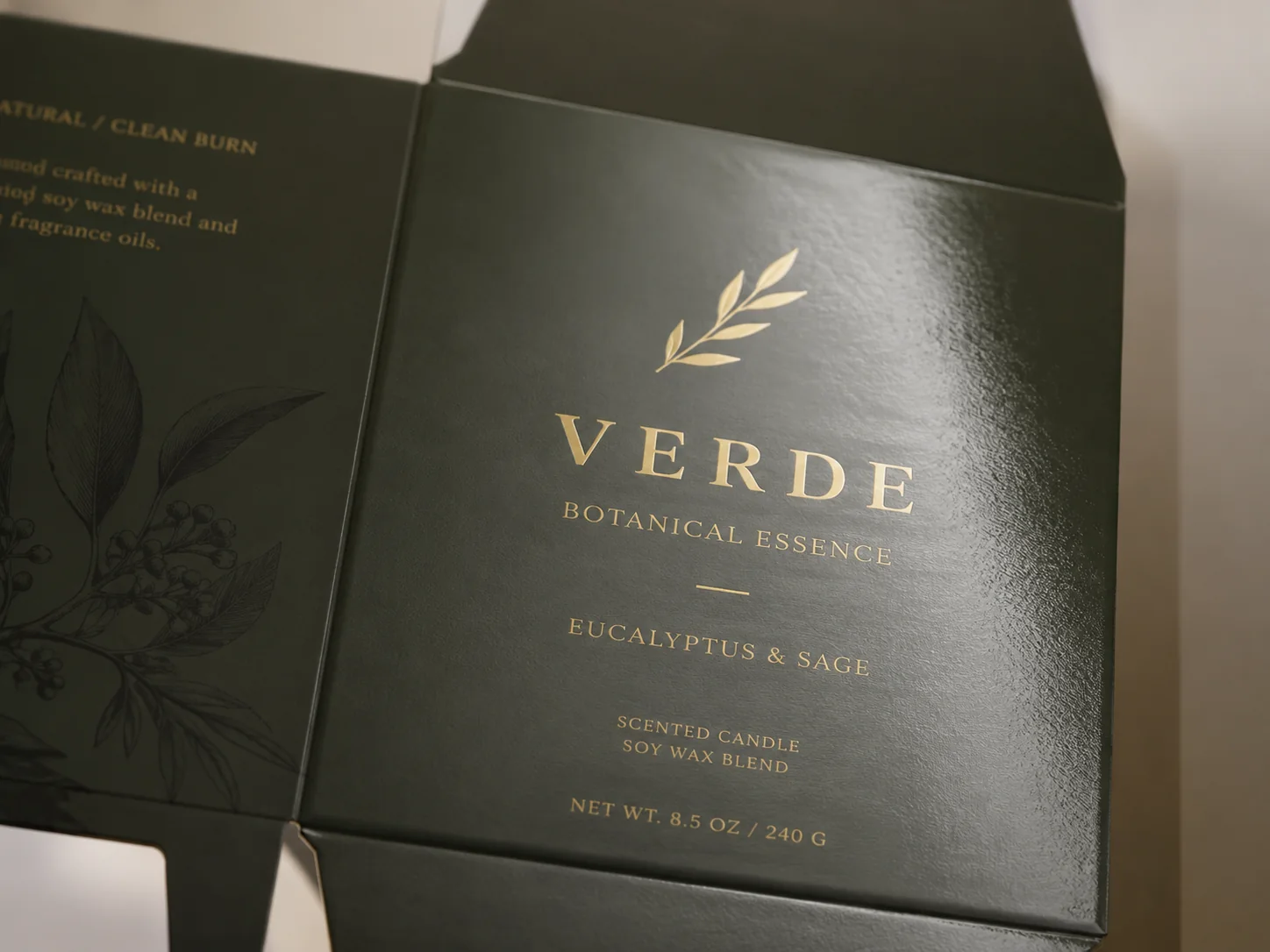
Coatings protect a printed folding carton and set its gloss level. Overprint varnish is ink-based and lowest gloss. Aqueous coating, also called AQ, is water-based and repulpable. UV coating cures under ultraviolet light and gives the highest gloss and the best scuff resistance. Each behaves differently under gluing, foiling and recycling.
The three
Varnish, aqueous, UV
Lowest gloss to highest, in that order. All three go on inline as the sheet prints.
Coverage
The whole sheet
A flood, not a shape. Gloss on a defined area is spot UV.
Glue and foil
Coating comes off both
Glue keys to board and foil bonds to board. Neither takes to a cured UV film.
End of life
No film to separate
All three are coatings, and aqueous is the easiest of them on the fiber stream.
What a coating does, and where it has to stop
Aqueous and UV are the same operation from the same unit on the press. The fourth frame is the difference that ends jobs, and it is drawn rather than described because it is a geometry problem.
A cross-section showing how a carton is coated, in 4 steps.
- Printed board. A printed sheet at the end of the press, before the coating unit. Everything below happens inline, which is why coating is a specification decision rather than a scheduling one.
- Aqueous, flooded on. Water-based, dried with hot air and infrared, and repulpable. It protects the ink, sets the gloss level, glues without special treatment and leaves the recycling stream alone.
- UV, flooded on. Cured under lamps at the moment it is laid, so the surface is hard rather than merely dry. It is the highest gloss and the best scuff resistance of the three coatings.
- The knockout. A cured UV film resists adhesive, so the glue flap is left bare in the artwork. A carton that will not hold its seam is nearly always one where the coating ran edge to edge.
01Printed board
Entering the coating unit
Cross-section, magnified. Not to scaleHover a layer to name it
01/04Step through it
Coating specification
The comparison below covers which coating to use. This table sets out what each one is, in specification terms. The whole finish set is set out the same way.
The three coatings
- Coatings run
- Overprint varnish, aqueous in gloss, matte and satin, and UV. All four are applied on press, not as a separate operation.
How they run here
- Applied
- Inline, from the coating unit at the end of the press. Sheets leave the press dry and go to converting the same shift.
- Aqueous finishes available
- Gloss, matte and satin. Matte aqueous is the lightest base a spot gloss will read against.
What has to be left clear, and what goes over
- Under lamination
- Alternatives, not layers. A carton is coated or it is laminated, not both.
- Under spot UV
- Matte aqueous is a working base for applying UV to selected areas only, though a matte film gives more contrast.
- Also called
- AQ coating, aqueous coating, flood UV, overall UV, machine varnish, overprint varnish.
Every coating here is applied inline, so the choice is made at specification. The knockouts a coating needs are drawn in the artwork.
Have the specification checked with the artwork
Send the file and the pack requirements together. We will say which coating meets them, where the knockouts have to go, and what each option does to the recycling stream.
Aqueous coating vs UV coating vs varnish
Four surfaces a printed carton can leave the plant under, on ten questions a specification asks. If a constraint is driving the choice, read the last four rows first.
| Compared on | Overprint varnish | Aqueous (AQ) | UV coating | Lamination |
|---|---|---|---|---|
| Chemistry | Ink-based, run from a printing unit | Water-based dispersion | Reactive resin cured by ultraviolet light | A plastic film bonded to the sheet |
| Gloss level | Lowest. A slight sheen over the ink | Low to medium, and available matte, satin or gloss | Highest of the coatings | Highest overall in its gloss form, flattest in its matte form |
| Available finishes | Gloss or matte, with a narrow range in each | Gloss, matte and satin | Gloss, and matte in some grades | Gloss, matte and soft touch |
| Scuff resistance | Low. It protects the ink and little else | Moderate. Enough for most retail journeys | High. The hardest surface of the three coatings | Highest of the four |
| Cure or dry method | Dries by absorption and oxidation, like ink | Dries by evaporation, assisted with hot air and IR | Cures under UV lamps at the moment it is laid | Bonded under heat and pressure in a separate pass |
| Food contact suitability | Suitable for indirect contact in most specifications | The usual answer for food packaging, and the one with the widest set of compliant grades | Needs a low migration grade specified, and the grade has to be named on the specification | Depends on the film and the adhesive, and has to be specified |
| Repulpable | Yes. It stays in the fiber stream | Yes. It stays in the fiber stream | Generally yes, and it is harder on the stream than aqueous | No, not without separating the film from the fiber first |
| Glue compatibility | Glues without special treatment | Glues without special treatment in most cases | Resists adhesive. The glue flap area has to be knocked out of the coating | Depends on the film, and the seam is where a laminated carton is checked |
| Foil over it | Yes | Yes | Only where the foil area is knocked out of the coating | Yes, and it is the most common arrangement |
| Cost direction | Lowest of the four | Low, and part of why it is the default | Higher than aqueous, and it adds constraints downstream | Highest, with durability no coating matches |
Glue compatibility and repulpability decide most specifications, and they point the opposite way from the gloss row. A higher gloss usually brings two constraints with it. Where durability is the requirement, the comparison is with laminating instead of coating.
How coating runs here
All four run inline
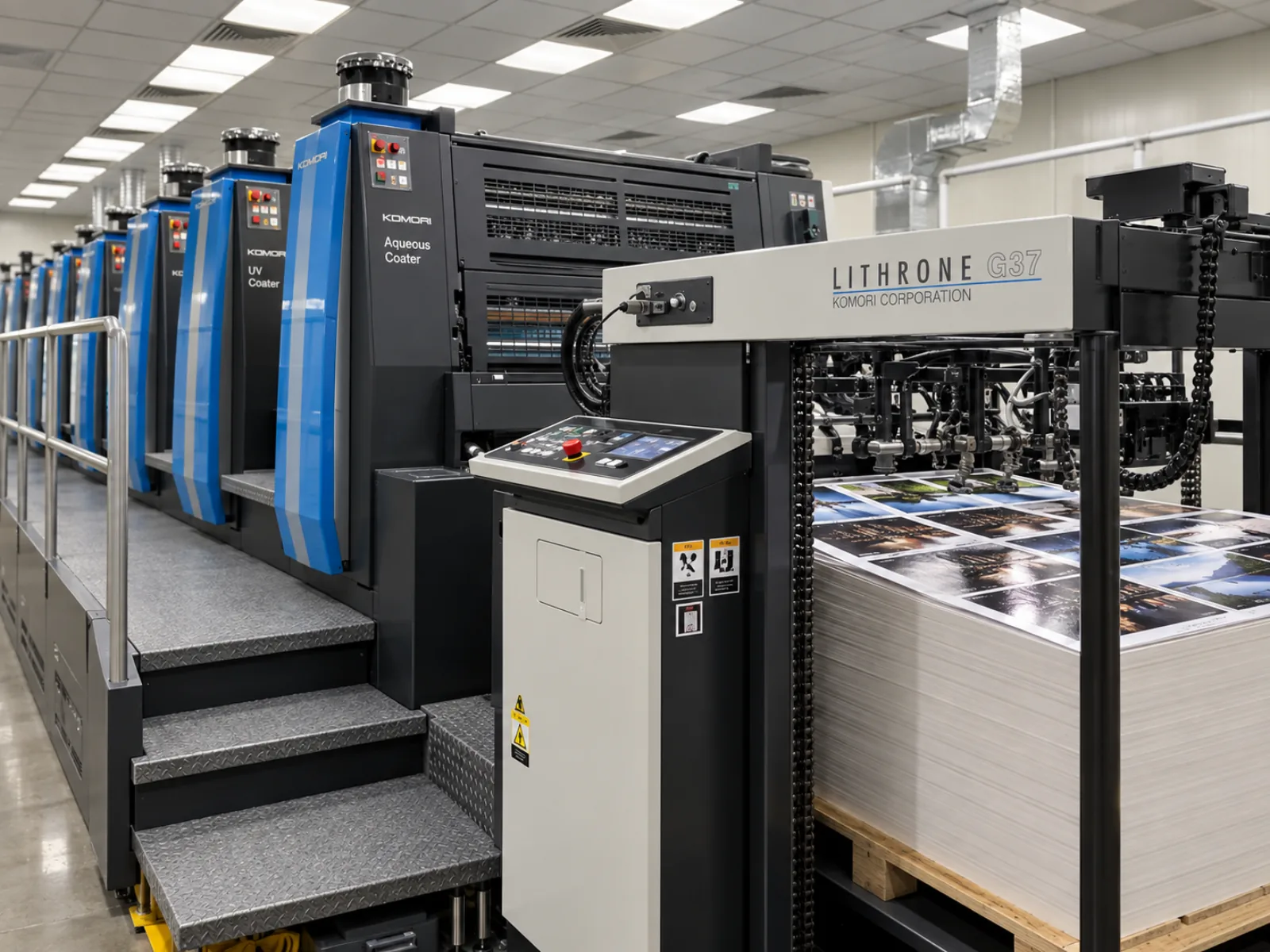
They are applied from the coating unit at the end of the press. There is no coating department and no second machine. The sheet is coated as it finishes printing, and switching between aqueous and UV is a setup change.
Curing sits at the delivery
UV lamps cure a UV coating at the moment it is laid. The surface is hard, not just dry, and the sheet can be stacked immediately. IR and hot air take the water out of an aqueous coating. Either way sheets reach die cutting dry.
Knockouts are drawn in prepress
UV resists adhesive, so the glue flap area is knocked out of the coating in the artwork, and so is any area a foil has to sit on. They are drawn against the dieline, so the coating is decided before the file is finished. A carton that will not glue has nearly always been coated edge to edge.
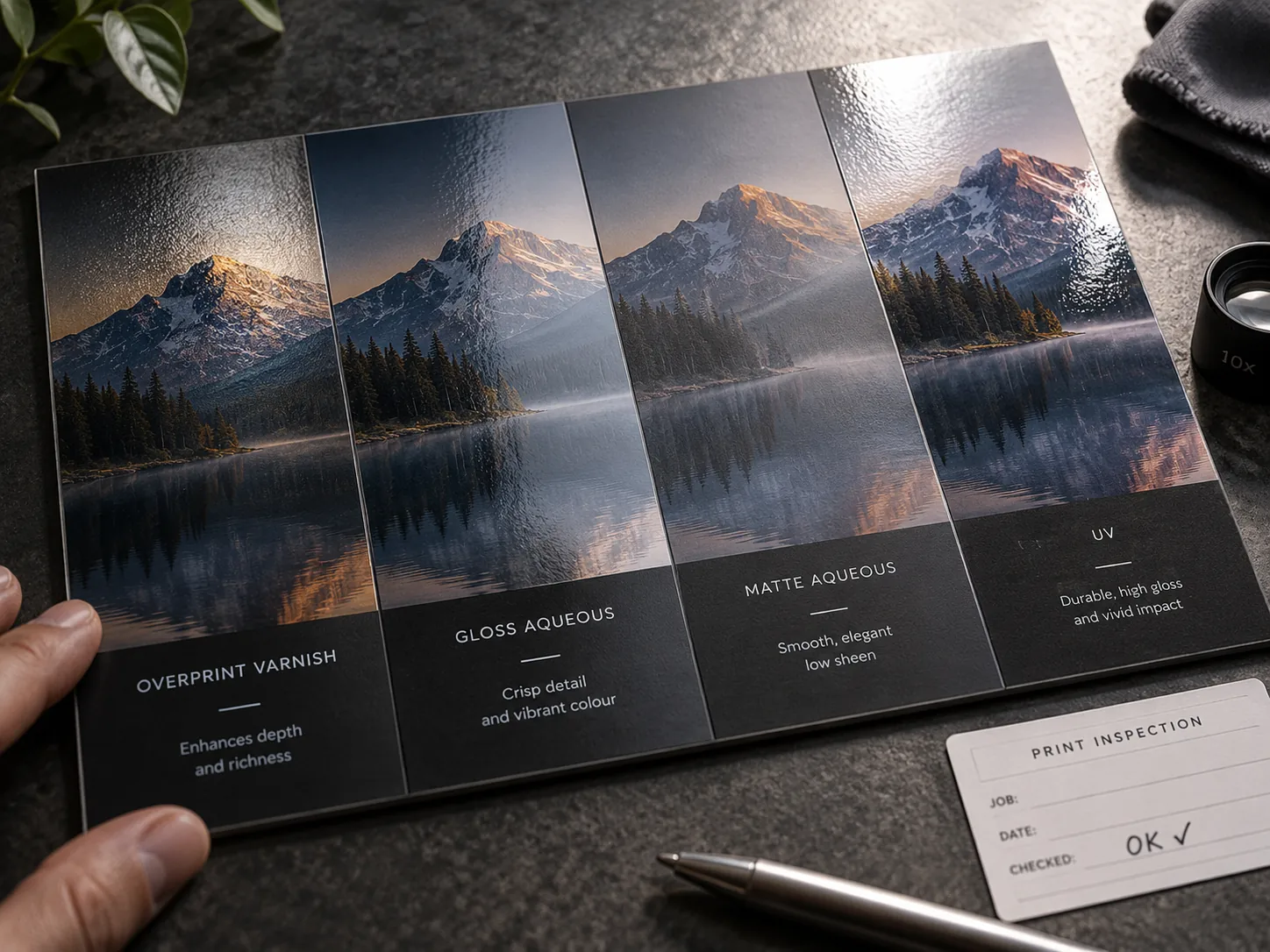
Four surfaces, one printed image
The same printed panel finished four ways: overprint varnish, gloss aqueous, matte aqueous and UV. Side by side you can see how much of the difference is gloss and how much is what each one does to the color underneath.
Cost logic
Aqueous is the default and is applied inline. UV adds cost and adds constraints downstream. Varnish is the lowest cost and the lowest protection.
A varnished carton that scuffs in transit costs more than an aqueous one that does not, and a UV coated carton re-run because the glue flap was coated costs more than either.
What it costs against a US supplier
Landed cost runs 20 to 30 percent below a comparable US supplier quote. That is one price: board, printing, finishing, tooling, import duty, shipping and delivery to your door, with nothing added later.
Get a quoteWhich coating, and when to laminate instead
Coat when
The carton has to stay in the fiber stream.
Aqueous. It is the only surface on this page that leaves the recycling question unchanged.
It is food packaging.
Aqueous has the widest set of compliant grades. Most confectionery and food cartons are coated with it.
The pack needs sheen without film thickness.
UV gives the hardest, brightest coated surface, with no second pass and no added caliper.
Laminate instead when
The carton is handled hard before it is seen.
No coating matches a film for scuff resistance through a distribution center.
Spot UV is the main effect.
Matte aqueous works as a base and a matte film gives more contrast. Where the gloss pattern is the main effect, use the film.
Moisture is part of the pack life.
A sealed film resists humidity better than a coating. It matters in cold chain and long storage.
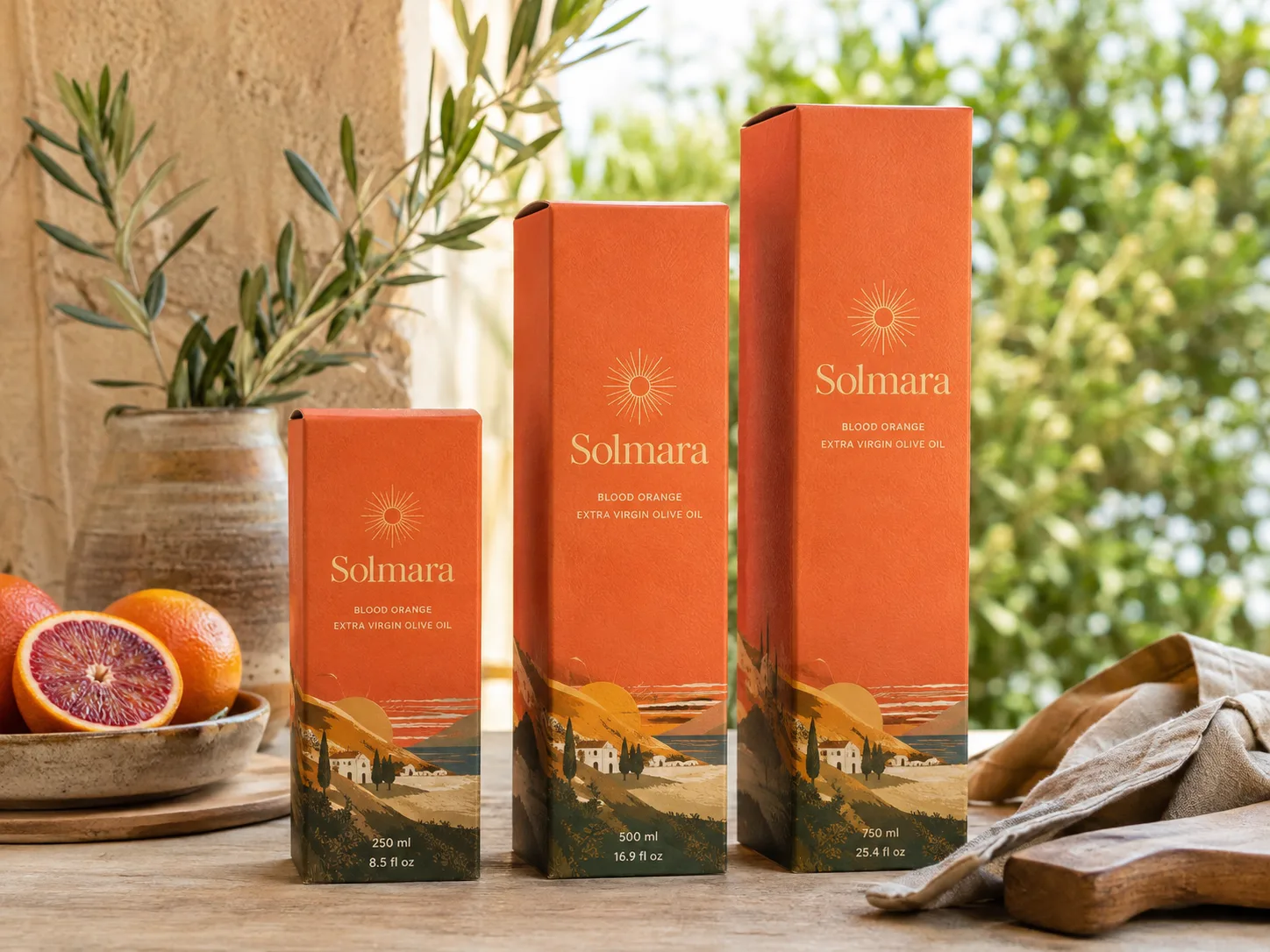
Which coating, by category and structure
Category decides this more often than design does. A category's constraints are fixed.
| Category | Structure it usually sits on | The coating, and why |
|---|---|---|
| Food and confectionery | Four corner, seal end | Aqueous, for compliant grades and a clean fiber stream |
| Supplement cartons | Straight tuck end, reverse tuck end | Matte aqueous, which keeps the facts panel legible under store lighting |
| Pharmaceutical | Seal end, tuck end with tamper features | Aqueous, with the migration grade named on the specification |
| Household and cleaning | Auto lock bottom, seal end | UV, for a hard surface and shelf sheen |
| Kraft and unbleached packs | Sleeve, tuck end | Matte aqueous, which keeps the natural board surface |
Questions about coating a folding carton
A water-based coating applied inline on press and dried with hot air and infrared. It is the default surface for a printed folding carton: it protects the ink, it is available in gloss, matte and satin, it has the widest set of food-compliant grades of any coating, and it stays in the fiber stream so the carton repulps the way an uncoated one does. AQ coating is the same thing under its trade abbreviation.
Aqueous unless something specific is asking for UV. Aqueous glues without special treatment, takes foil without special treatment and leaves the recycling stream alone, and it is the cheaper of the two. UV buys a harder and glossier surface, and it brings two constraints with it: the glue flap area and any foil area both have to be knocked out of the coating in the artwork, because a cured UV film resists both adhesive and foil. Where the pack is handled hard enough that neither coating is enough, compare it with lamination instead.
Yes, provided the glue flap area was knocked out of the coating at artwork stage. A cured UV surface resists adhesive, so a seam glued over the coating will fail under compression even when it looks sound coming off the machine. The knockout is drawn on the dieline as a coating-free zone before the file is finished, so the coating has to be decided by then. A carton that cannot hold its seam has almost always been coated edge to edge.
No. A coating is a fluid laid onto the printed sheet and dried or cured in place. A lamination is a plastic film bonded to the board as a second material. The film is thicker, seals the surface, and resists scuffing and moisture better than any coating; the coating adds almost no caliper, costs less, runs inline, and in the case of aqueous leaves the carton in the fiber stream. Where a carton is handled hard before it is seen, the comparison is with gloss and matte lamination and the film usually wins.
The coating, named before the file is finished. Then the knockouts: UV resists adhesive, so the glue flap area is drawn as a coating-free zone on the dieline, and any area a foil is going to sit on is drawn the same way, since foil will not bond to a cured UV surface. Supply both as a layer prepress can separate rather than as a line in an email. Aqueous and varnish need none of this.
Aqueous: it is water-based, it repulps with the fiber, and it changes nothing about how the carton is processed. Overprint varnish is also fine, being ink chemistry. UV coating is generally repulpable and is harder on the stream than aqueous. A laminated carton is different, because the film has to be separated from the fiber before the fiber can be recovered at all. If recyclability is a stated requirement on the brief, specify aqueous. What you give up is scuff resistance.
Last reviewed
Send the pack requirements with the artwork
Swatches go out with one printed panel finished four ways. Send the compliance requirements with the request and the coating recommendation comes back with the knockouts already marked on your dieline.