FINISHES
Finishes for printed boxes
A finish is anything applied to a printed folding carton after the ink. Lamination and coating change the surface and protect it. Foil, embossing, spot UV and drip off add contrast in one area or across a panel. Metallic board is the one that is chosen before printing rather than after it.
One board, seven surfaces
The same printed sheet finished seven ways, in cross-section. Step through them to see where each finish sits in the stack, and what each one does to a single ray of store lighting.
A cross-section showing seven finishes in cross-section, in 7 steps.
- Uncoated. Printed board and nothing else. It scuffs, it takes a mark, and it is the only surface here that is unambiguously one material.
- Aqueous. A water-based coating applied inline. The default surface for a printed carton: it protects the ink and stays in the fiber stream.
- Gloss film. A BOPP film bonded across the sheet. It reflects at one angle, raises apparent ink density and is the most durable surface on this list.
- Matte film. The same film with the shine taken out. It scatters light, mutes solids, and is the base almost every spot gloss pattern needs under it.
- Soft touch. A film with a fine nap in its surface. Flat like matte to look at, and completely unlike it in the hand.
- Spot UV. A gloss coating on selected areas of a matte ground. The contrast is the effect, so the base underneath is doing half the work.
- Foil. Metal transferred onto the surface by a heated die, only where the die touched. Nothing prints over it afterwards.
01Uncoated
Printed board, unprotected
Cross-section, magnified. Not to scaleHover a layer to name it
01/07Step through it
Start from what you want the carton to do
Seven requirements and the finish that meets each one. The last column is the trade-off.
| What you want | The finish | What it costs you |
|---|---|---|
| The mark felt as well as seen | Embossing or debossing | Depth is bounded by the board, and the element has to stay clear of the creases |
| Metal on the logo | Hot foil stamping | Nothing prints over foil, and hairlines below the die minimum break up |
| Metal across the whole face | MetPET metallic board | Not repulpable in most streams, and every solid area needs a white underbase |
| Gloss on part of a matte panel | Spot UV | It only works over a matte base, and it disappears on kraft or uncoated board |
| Gloss and matte across most of a panel | Drip off coating | The boundary is soft, so fine type and hairline detail close up |
| A durable surface and a set gloss level | Gloss or matte lamination | The film has to be separated from the fiber before the board can be recycled |
| A pack that feels heavier than it weighs | Soft touch lamination | It marks, and on a dark solid a fingerprint stays visible |
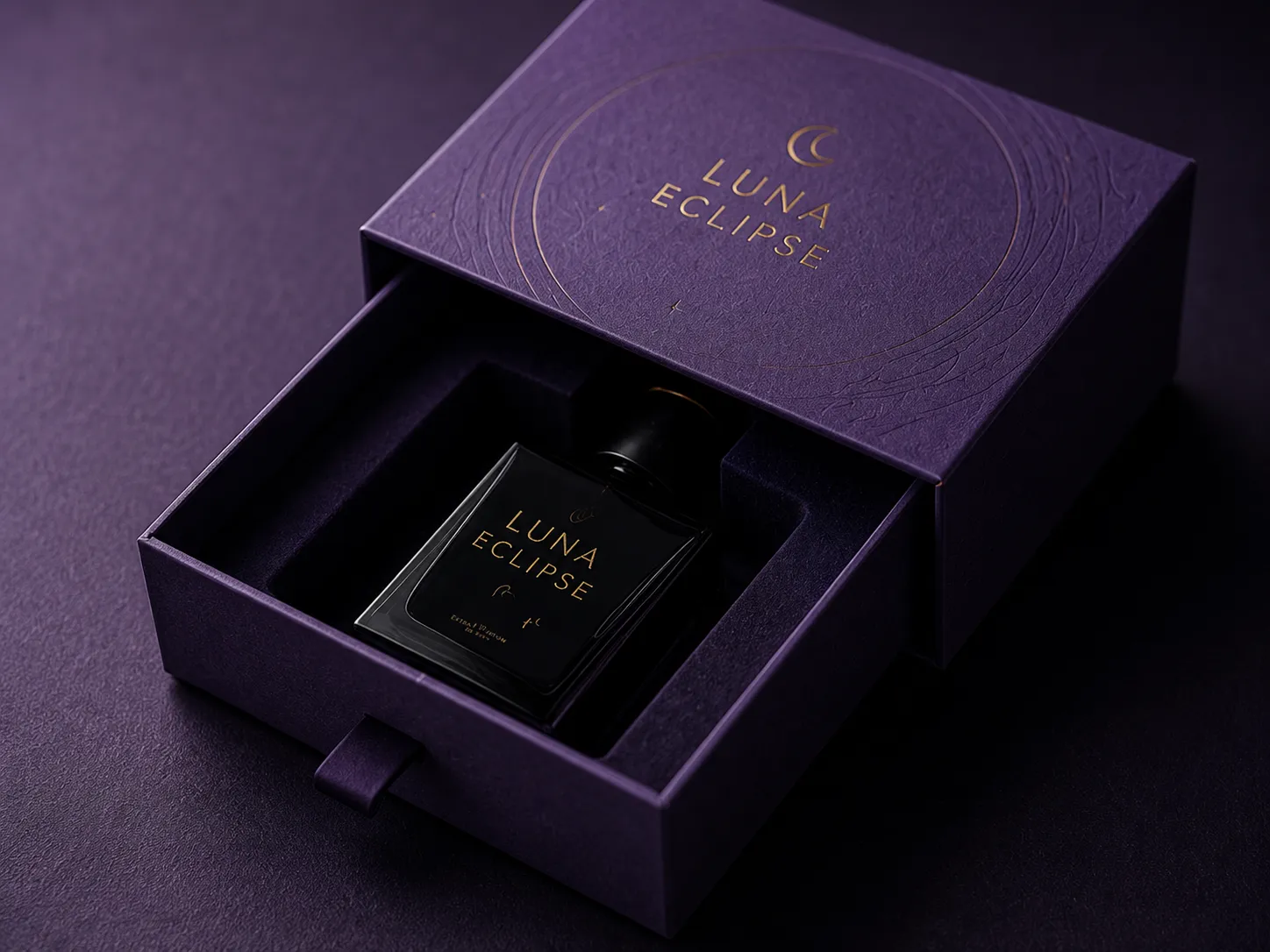
The eight finishes, and the page that owns each one
Every page carries the specification, a comparison with the nearest alternative, and the point at which that finish stops working. Anti-counterfeit features are specified against a risk rather than against a design and have a page of their own.
Embossing and Debossing
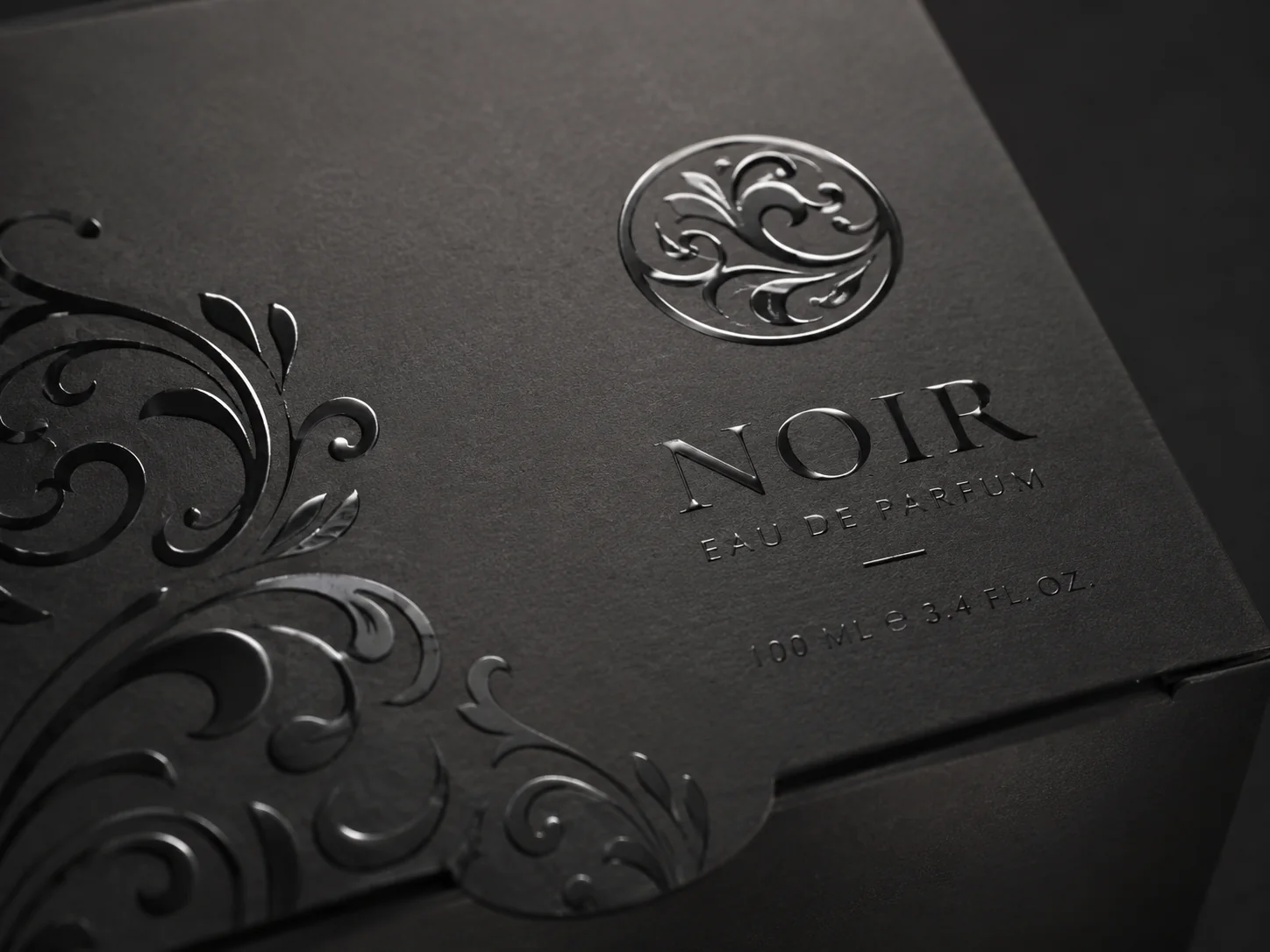
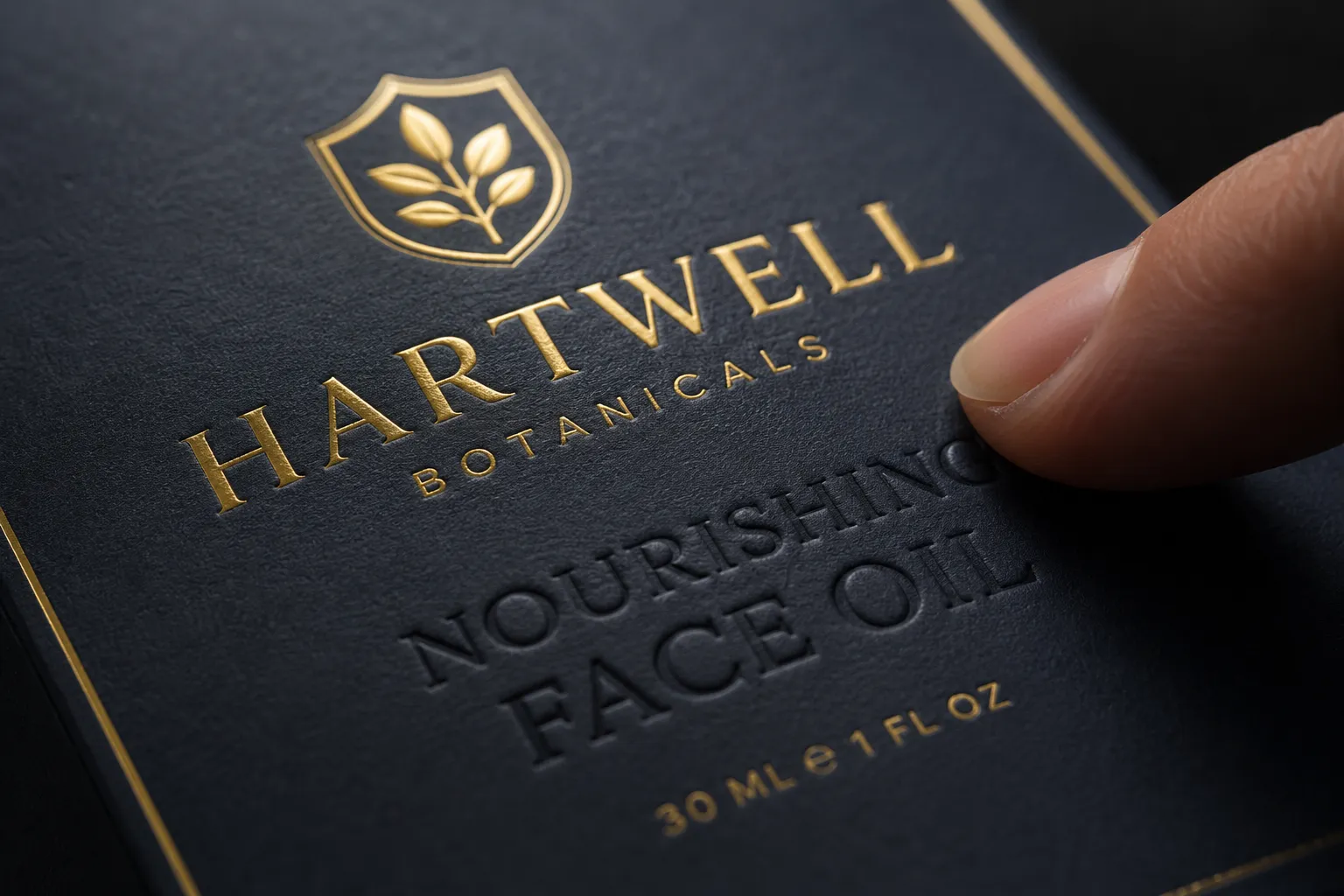
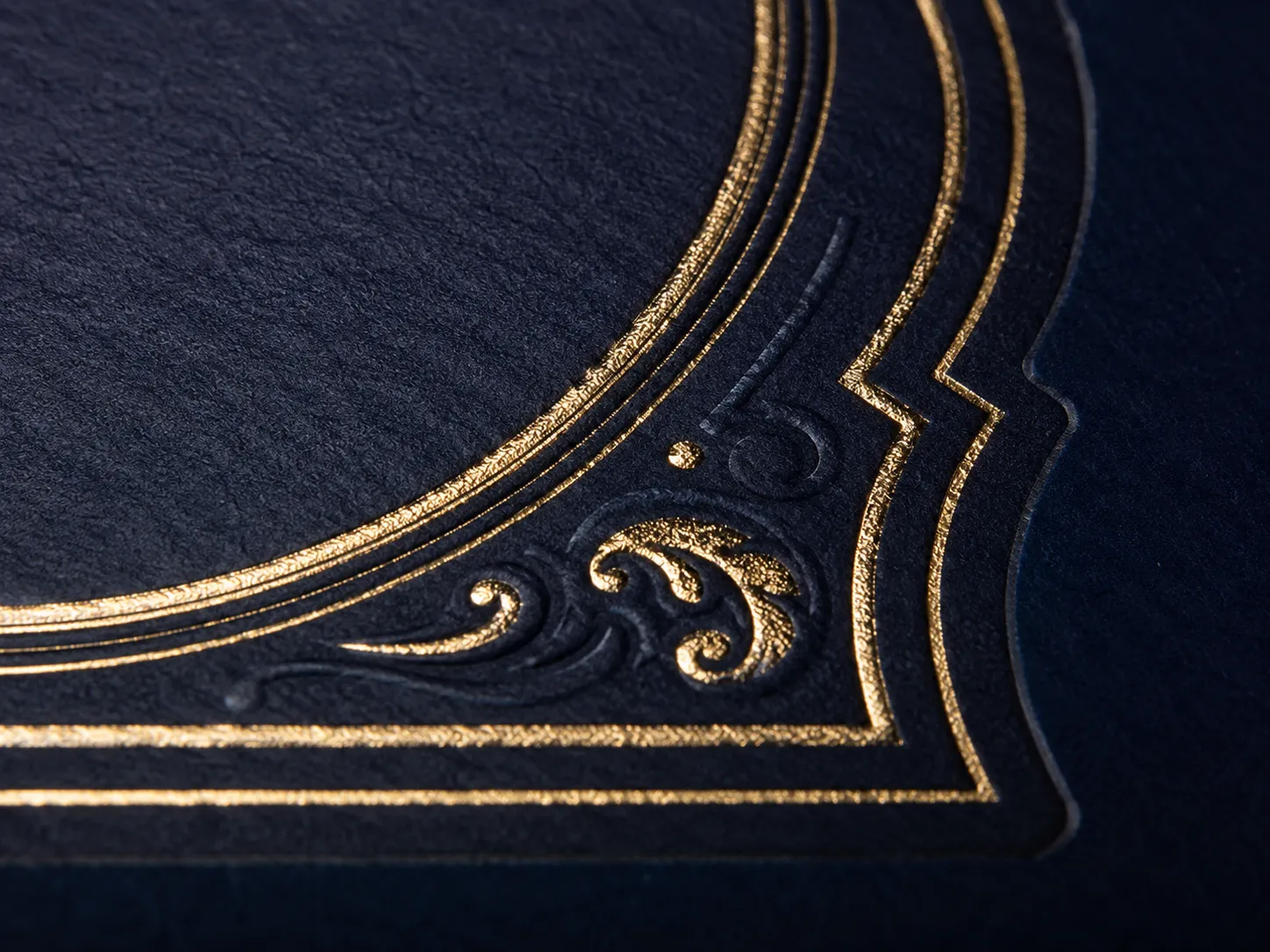
A metal die and a counter-die press the design above or below the surface of the board, after printing and without ink.
Gloss and Matte Lamination
A thin plastic film bonded to the printed sheet. Gloss raises apparent ink density, matte scatters light and mutes it.
Hot Foil Stamping
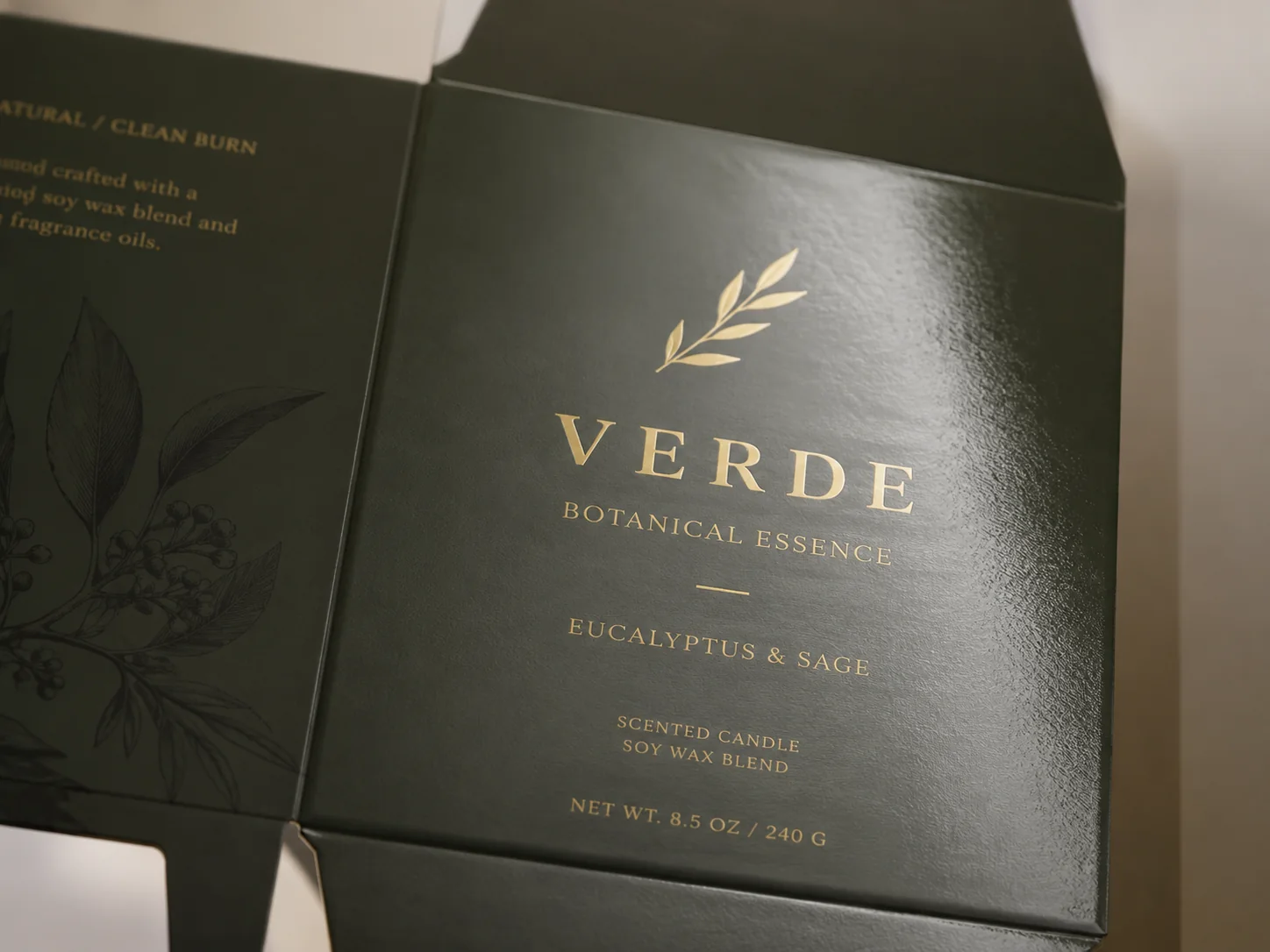
A heated die transfers metallic or pigmented foil onto the board, and it can be combined with an embossing die in one hit.
Spot UV
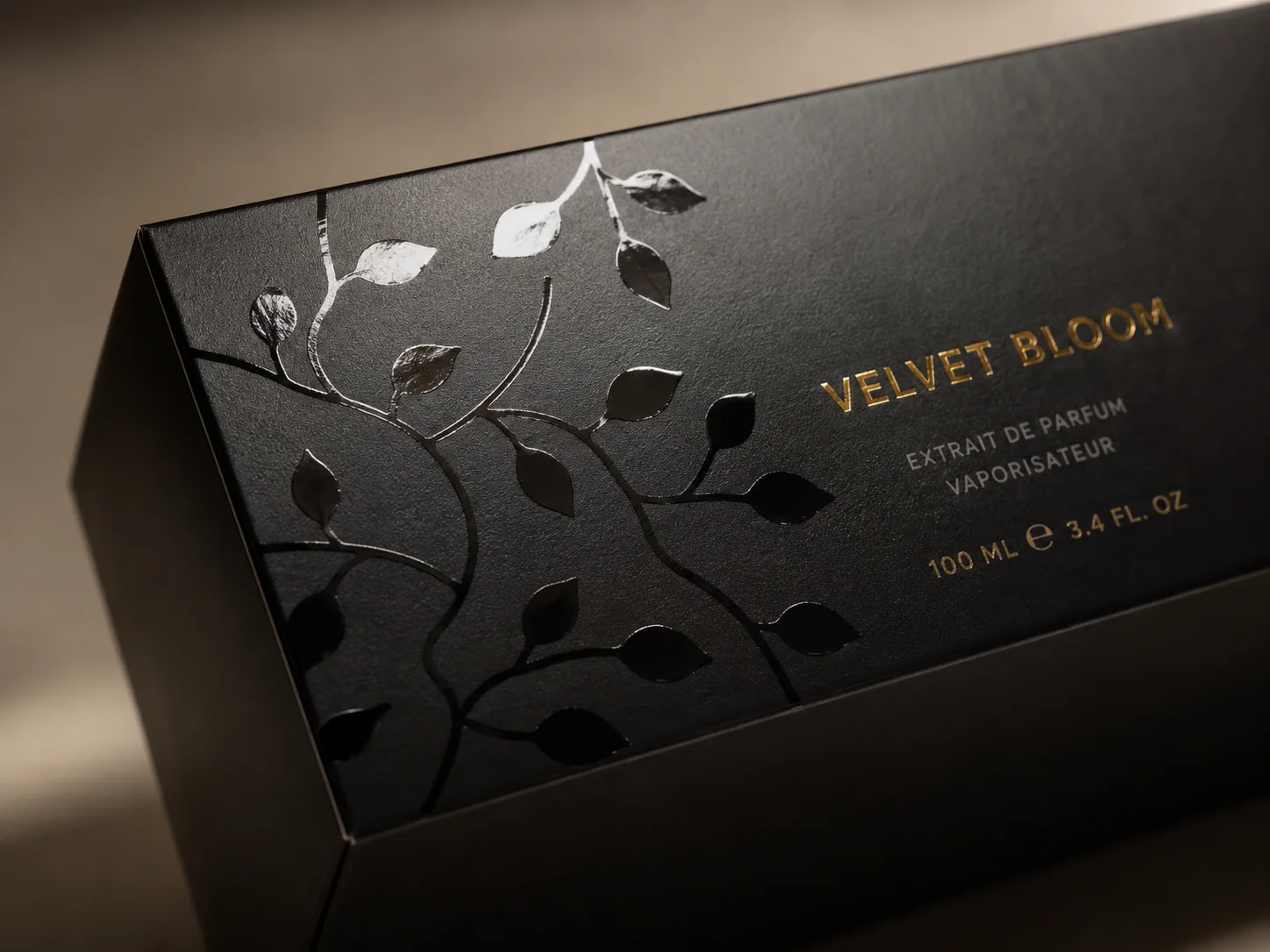
High gloss on selected areas of a matte panel. Flat, raised and screen-printed versions hold different smallest elements.
UV, Aqueous and Varnish Coating
The three coatings a printed carton can leave the press under, and how each one behaves under gluing, foiling and recycling.
Soft Touch Lamination
A suede-like low-gloss surface, available as a laminated film or as a fluid coating. The two feel and wear differently.
Drip Off Coating
Matte and gloss contrast produced in a single pass by two coatings that repel one another, with no separate spot operation.
MetPET Metallic Board
Metallized polyester film laminated to board, so the metal is the whole face rather than a stamped mark on it.
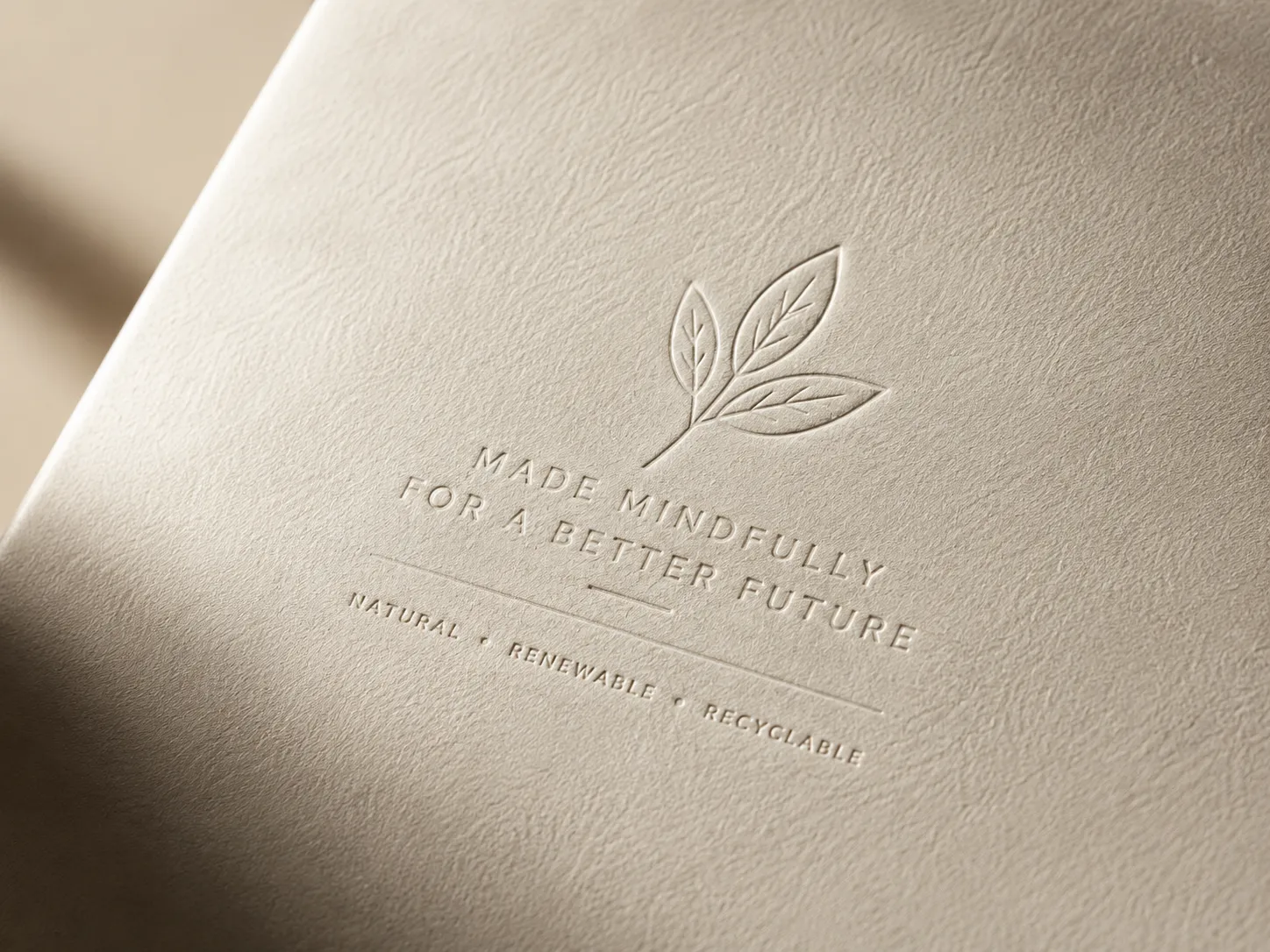
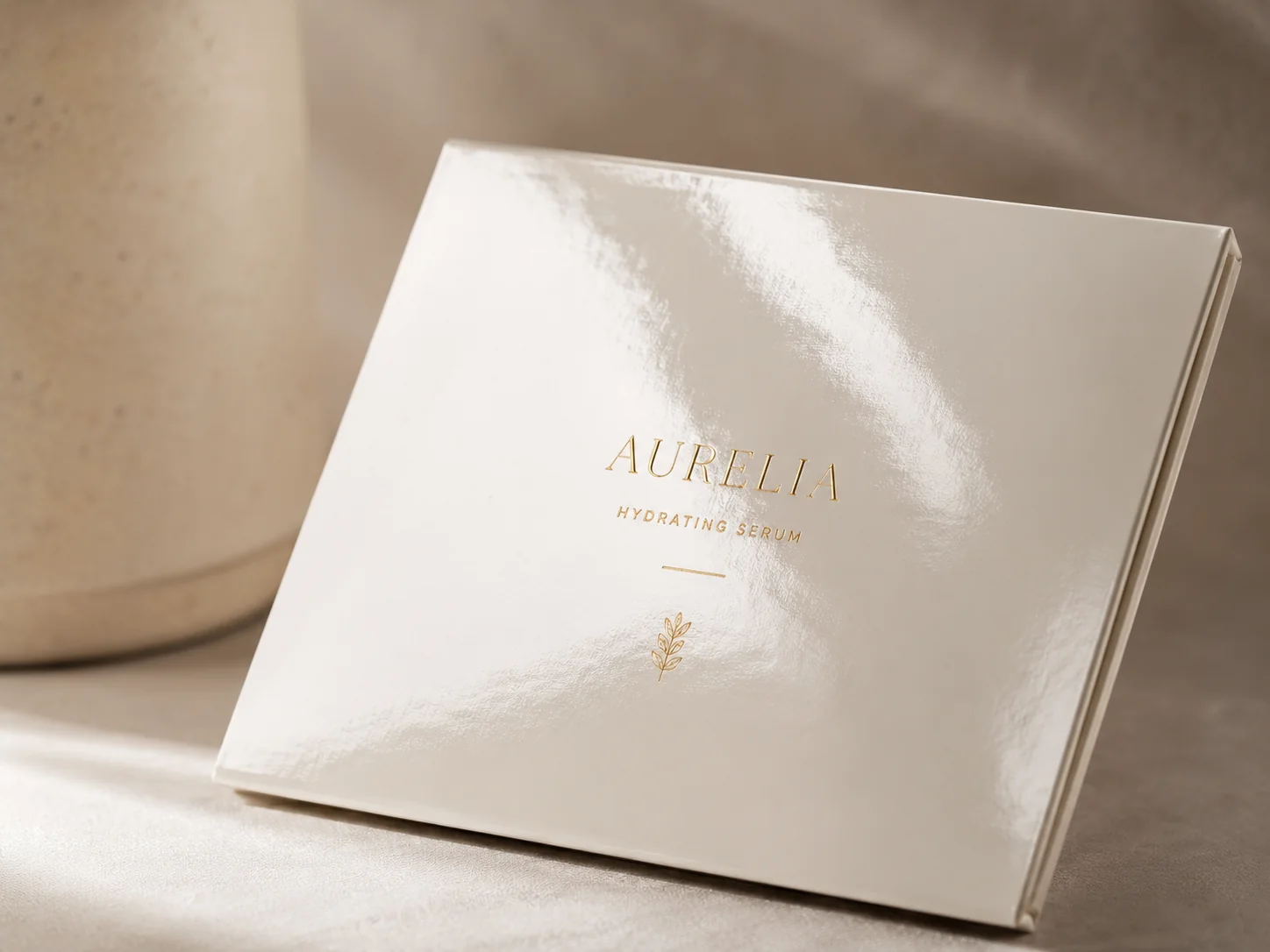
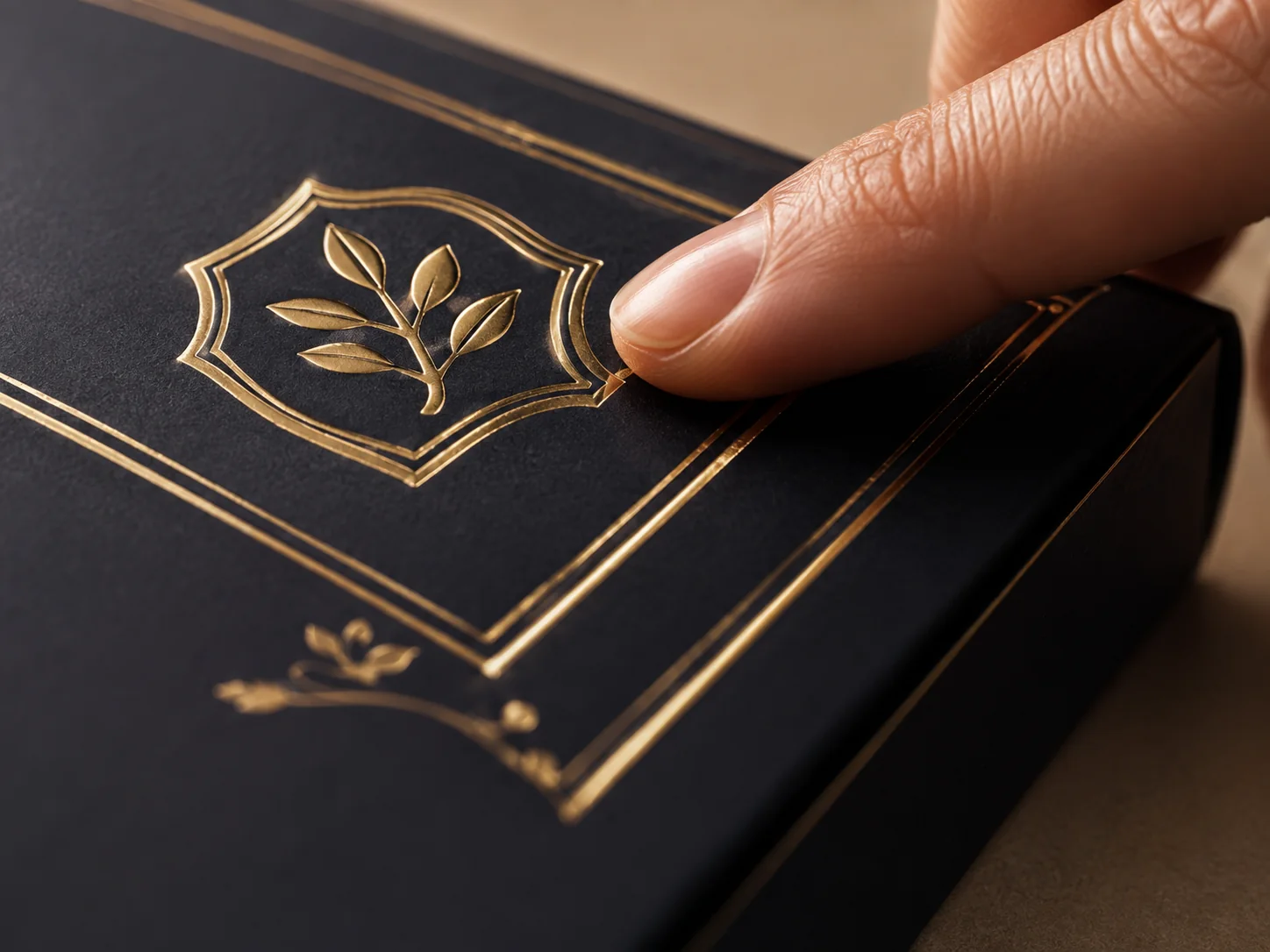
Security printing
Anti-counterfeit packaging
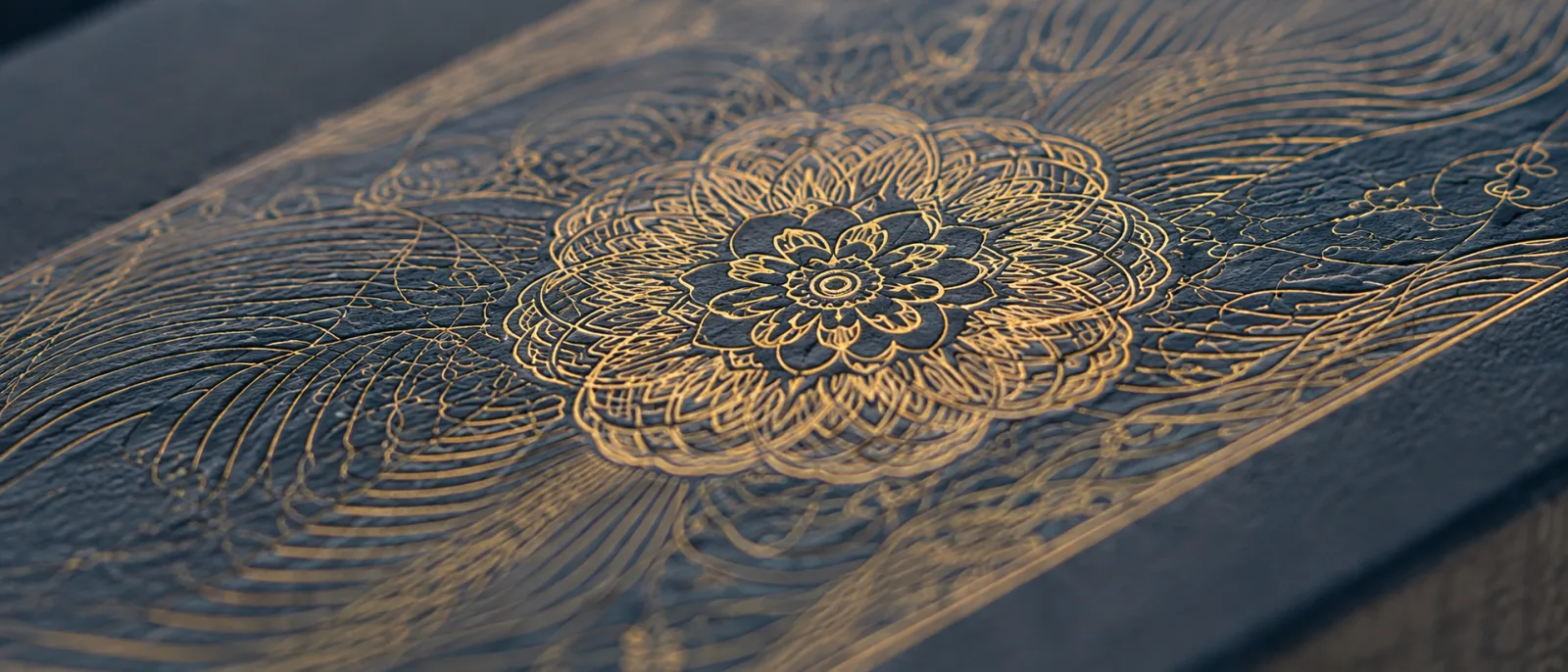
Microtext, guilloche, hidden fine-line graphics and anti-copy patterns printed in the same pass as the artwork, plus five security inks.
Finishes that go together, and finishes that do not
Most cartons carry two or three of these. The combinations below are the ones specified most often, and the four after them are the ones that come back from an artwork check with a change requested. Under them you can put a build together and see what our check would say about it.
Specified together
- Matte lamination and spot UV. The most common pairing on this site. The matte film is the ground the gloss reads against.
- Soft touch lamination and spot UV. The strongest contrast a carton can carry. The difference can be seen and felt.
- Hot foil stamping and embossing or debossing. A combination die puts the foil exactly on the raised area in one hit. It is cleaner and cheaper than two passes.
- Aqueous coating under any finish. The default surface. It takes glue, it takes foil, it stays in the fiber stream, and it goes on inline while the sheet is printed.
Sent back from a check
- Spot UV over gloss lamination. Gloss on gloss changes the level and not the sheen. Nobody in a store will see it.
- Hot foil stamping over a UV coating. Foil will not bond to a cured UV surface. The foil area has to be knocked out of the coating at artwork stage.
- A glued seam under a UV coating. UV resists glue. A coating that runs edge to edge leaves the flap nothing to stick to, and the carton will not seal.
- Nothing prints over hot foil stamping. Ink does not sit on metal. Type that crosses a foil area is cut out of the foil, and the printed board shows through it.
Check a combination
Build one, and see whether it goes together
Three questions, in the order a carton is specified.
Your build
BOPP matte
Spot gloss
Foil, only where the die touched
Cross-section, magnified. Not to scaleHover a layer to name it
Standard carton board, matte lamination, with spot UV and hot foil stamping.
The check
Your choices work, with one change.
One change
Nothing prints over hot foil stamping. Ink does not sit on metal.
Do this Cut the type out of the foil instead of printing it on top.
Works
Matte lamination and spot UV. The most common pairing on this site.
Works
Hot foil stamping onto a sealed surface. The ordinary route: print, coat, then stamp.
Send it as it stands, or ask for these surfaces on your own board first.
In the hand
The swatch set, and what is in it
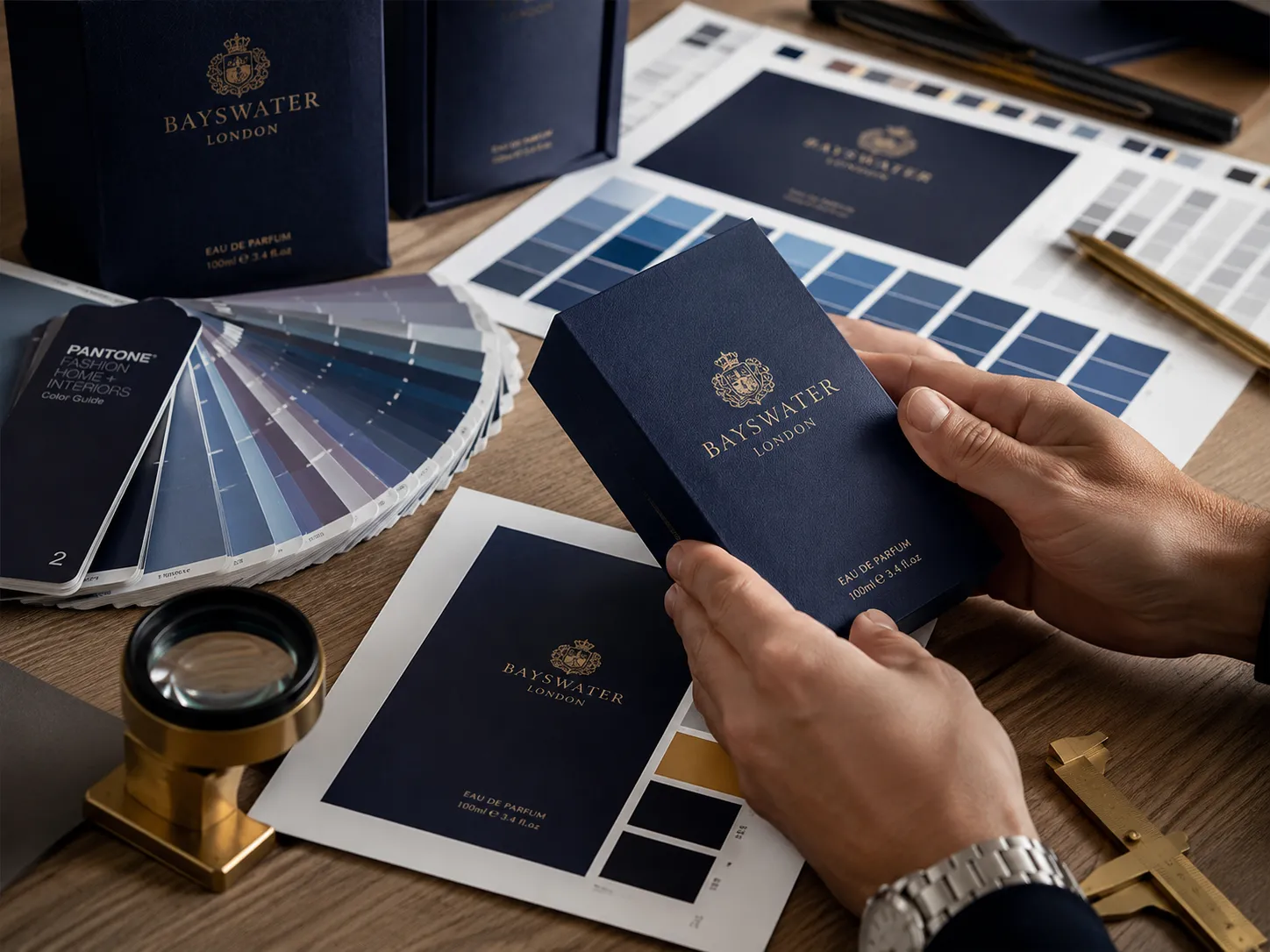
Eight finishes on one board, so the only thing changing between them is the finish. Emboss depth, soft touch feel and drip off contrast are judged in the hand, not on a screen. Ask for the whole set, or name the two you are deciding between and we will send those on your own board.
Request the swatchesQuestions about carton finishes
Aqueous coating. It is applied inline from the coating unit on the press, so it adds no pass and no machine to the route. It is the default surface for a printed folding carton, for that reason and for its recycling behavior. Overprint varnish is cheaper still and protects less. Everything else costs more, and foil and spot UV scale with coverage.
Yes, and most cartons do. A typical build is a matte film with a spot gloss pattern and a foil wordmark. The order matters: the film goes on after printing, foil goes on top of the film, and any coating that resists adhesive or foil has to be knocked out of those areas in the artwork. Those sequences are set in prepress against your file rather than decided on the floor.
Aqueous coating and overprint varnish leave the fiber stream unchanged, and UV coating is generally repulpable while being harder on the stream. Any laminated carton, including soft touch, needs the film separated from the fiber first. Foil is a contaminant in proportion to the area it covers, which is minor on a crest and significant across a panel. Metallized board is the hardest case and is not repulpable in most streams.
Start with the room the pack is standing in and the constraint the brief carries, rather than with the look. Retail lighting is directional, so a gloss panel becomes a highlight and a matte one does not. A recyclability requirement rules out film before anything else is discussed. Direct food contact narrows the coating to aqueous. Once those are settled there are usually two candidates left, and swatches settle it faster than a specification.
Name the two you are deciding between
Swatches go out on your own board, so the only variable left is the finish. Send artwork with the request and the check on your smallest elements comes back with them. Landed cost runs 20 to 30 percent below a comparable US supplier quote.