Straight tuck end
A retail facing carton with an unbroken front panel, drawn to your dimensions.
See the structure: Straight tuck endFOLDING CARTONS
A custom structure is a folding carton developed from your product rather than selected from a range: the panels, creases and closures are drawn to the thing they have to hold, cut as a prototype, and tested before any production tooling is committed.
Distinct from a standard format made to your dimensions. That is every other page in this range, and it is usually the right answer.

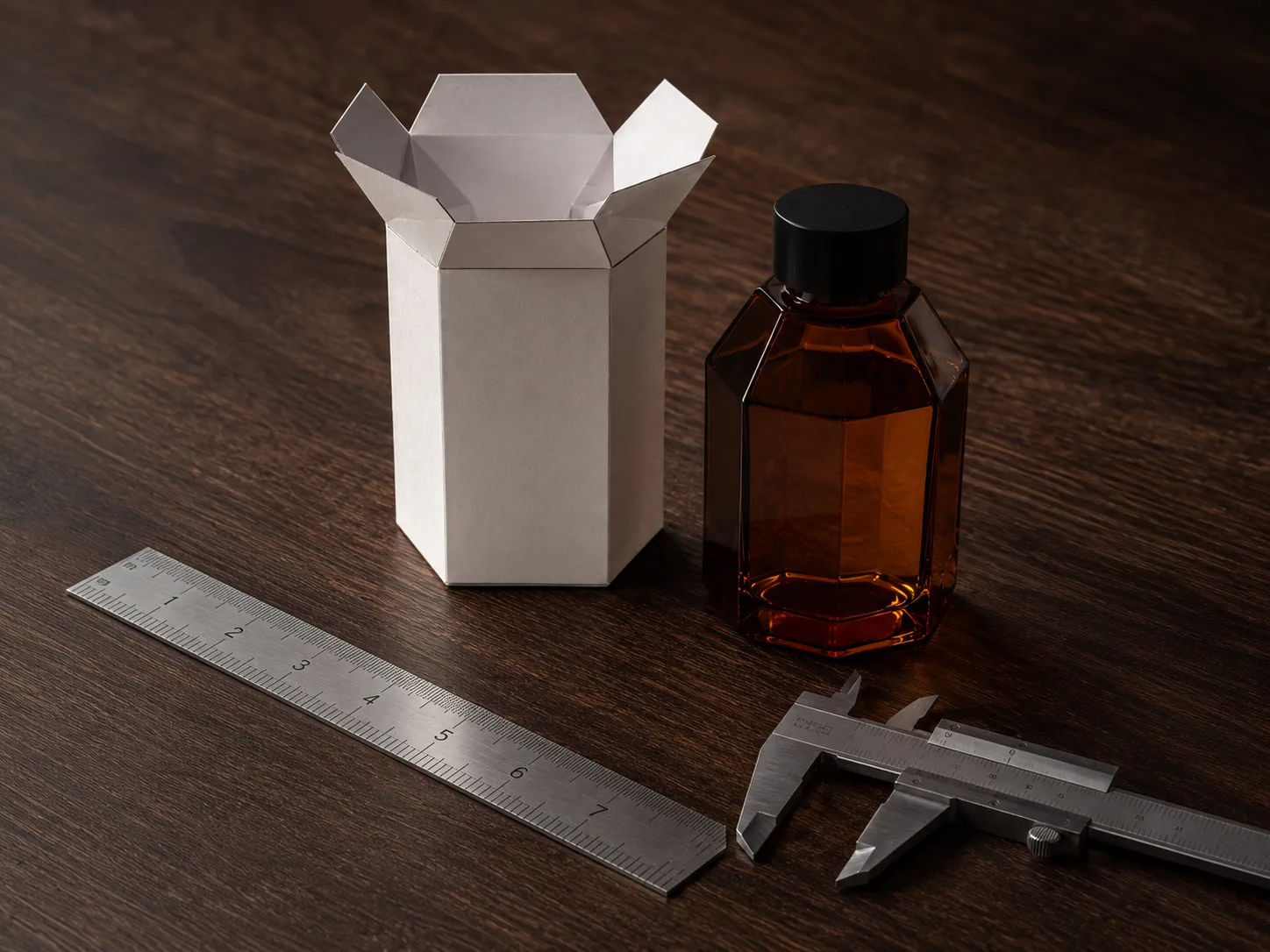
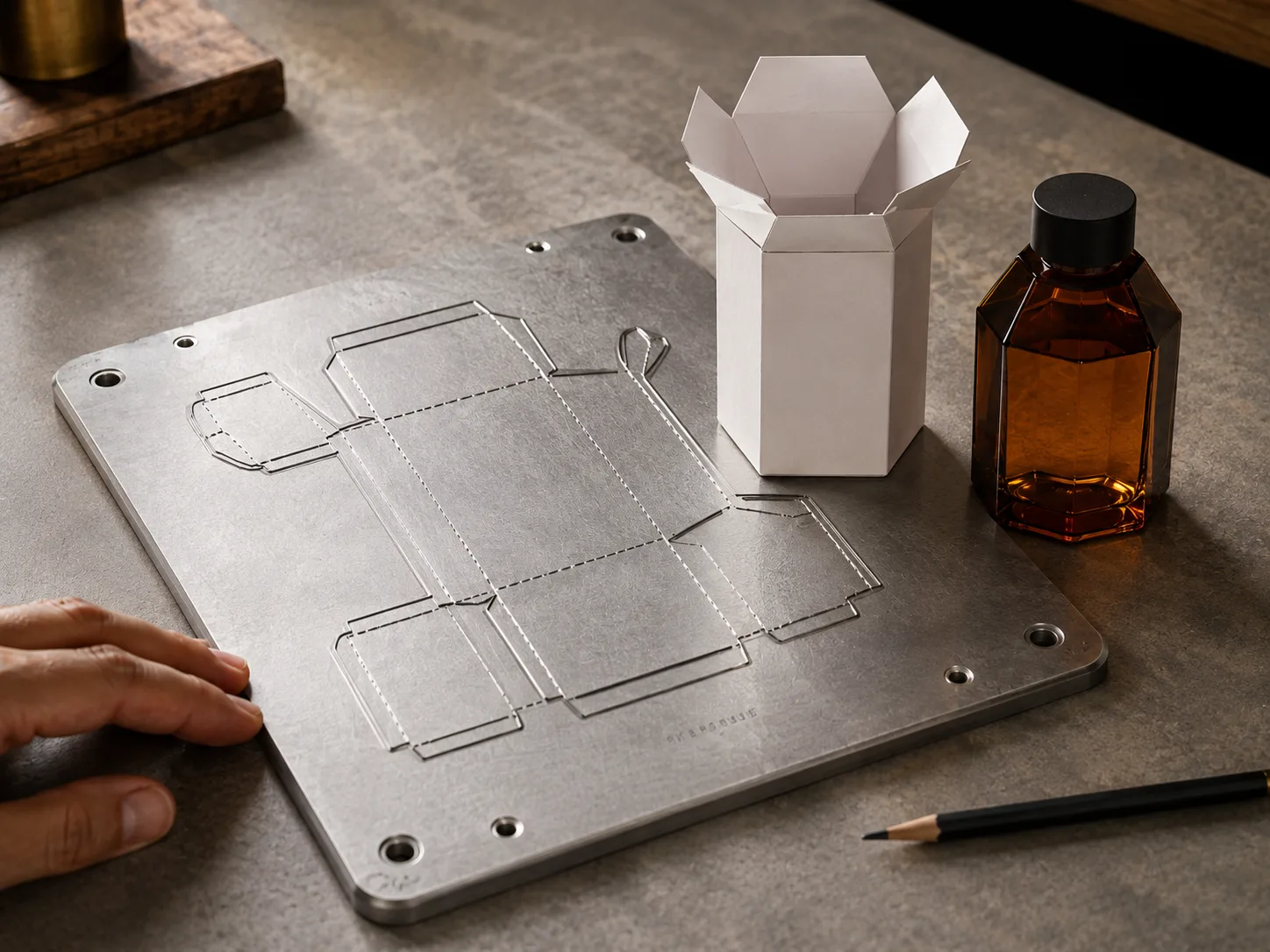
A six panel hexagonal blank. It is not one of the twelve standard formats on this site.
How a custom structure is made, in five steps.
Drawn to illustrate the structure. Your dieline is developed to your product, free, before you commit. There is no single custom dieline. This blank is one structure, developed for one product.
Send a product to be drawn aroundSix body panels, each with a tapered flap at both ends. The flaps close on themselves to form the hexagonal top, and they taper so that six flaps at the same height can all lie flat.
A custom structure starts from the product and works outward. The hexagonal blank was drawn for one product. It is not a format you can order.
A carton made to your own dimensions, in your own board, with your own artwork, a window where you want one and a fitment drawn to your product is a standard structure, drawn to you. It is what almost every carton on this site is. Every dieline here is made for the job it is on; none of them is pulled off a shelf. Most briefs that say custom are asking for this, and the answer is usually a straight tuck end or an auto lock bottom. It costs less than a development project.
A custom structure is for a product that will not sit in any of the standard forms: a product with an odd number of sides, a pack that has to open in a particular sequence, a fitment that has to be part of the carton rather than inside it, a closure a line requires that nothing standard provides.
We will tell you which of the two you have, including when it is the first one.
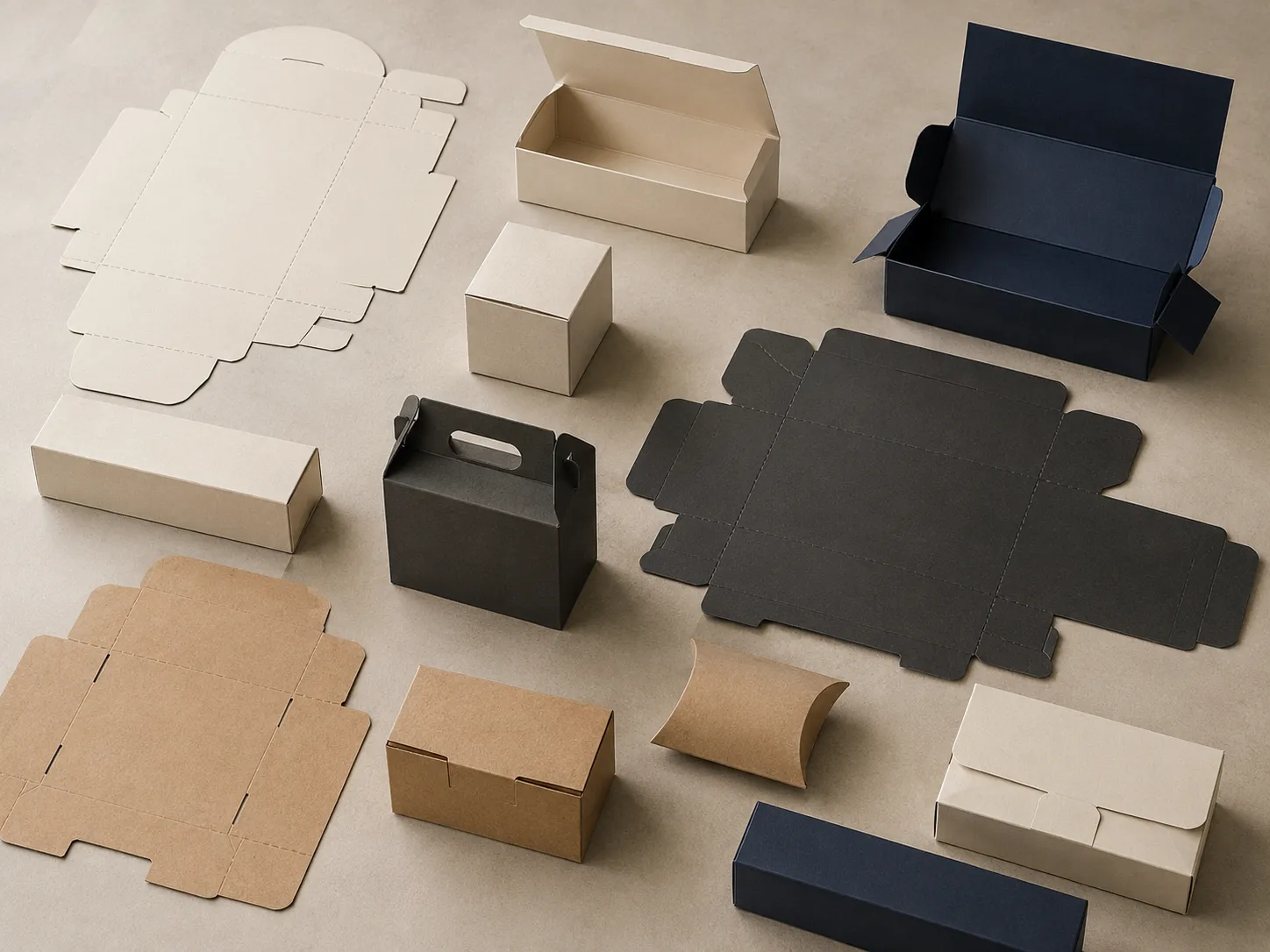

A carton drawn to your dimensions is a standard structure, drawn to you.
Four situations. If none of them describes your pack, one of the standard structures will usually fit.
Anything triangular, hexagonal, cylindrical or asymmetric. A four panel tube can contain it, but with wasted space around it that shows on a shelf.
A pack that has to reveal in a sequence, present a card before the item, or be reclosed by somebody who has already thrown the outer away. The sequence is drawn into the structure.
Where a separate insert is one component too many, the holding is folded out of the same blank as the walls. Fewer pieces, one material, and it recycles as one thing.
An existing cartoner with a fixed closure, a feed that will only take a particular flap, a sealing head in a set position. The structure is drawn to suit the line.
Five stops. The physical object is there from the start, and a prototype is in hand before any production tooling.
The actual thing, or a dimensional sample of it, filled if it is filled. Everything downstream is measured off the object. A drawing rounds off the tolerances that break a structure.
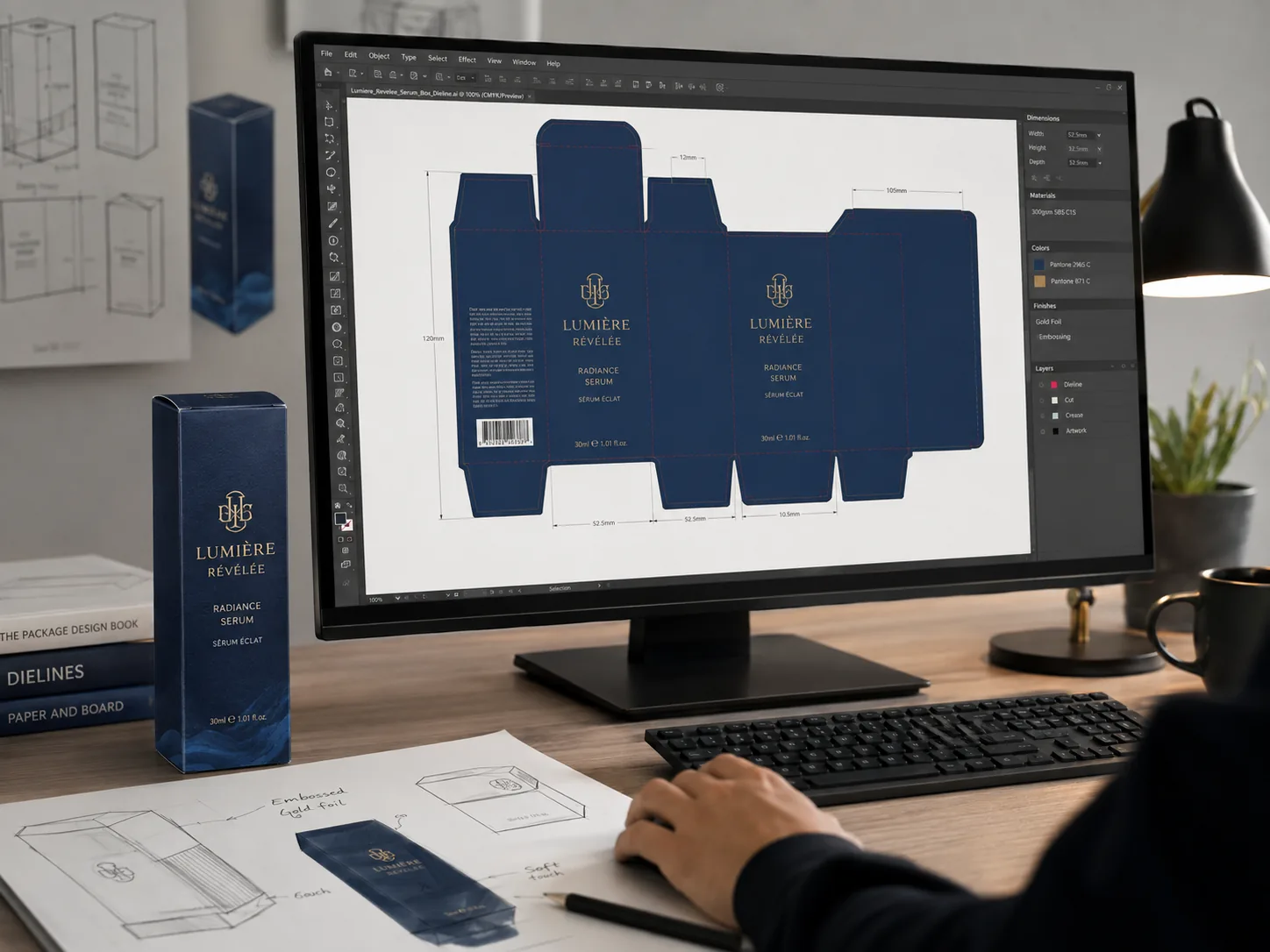
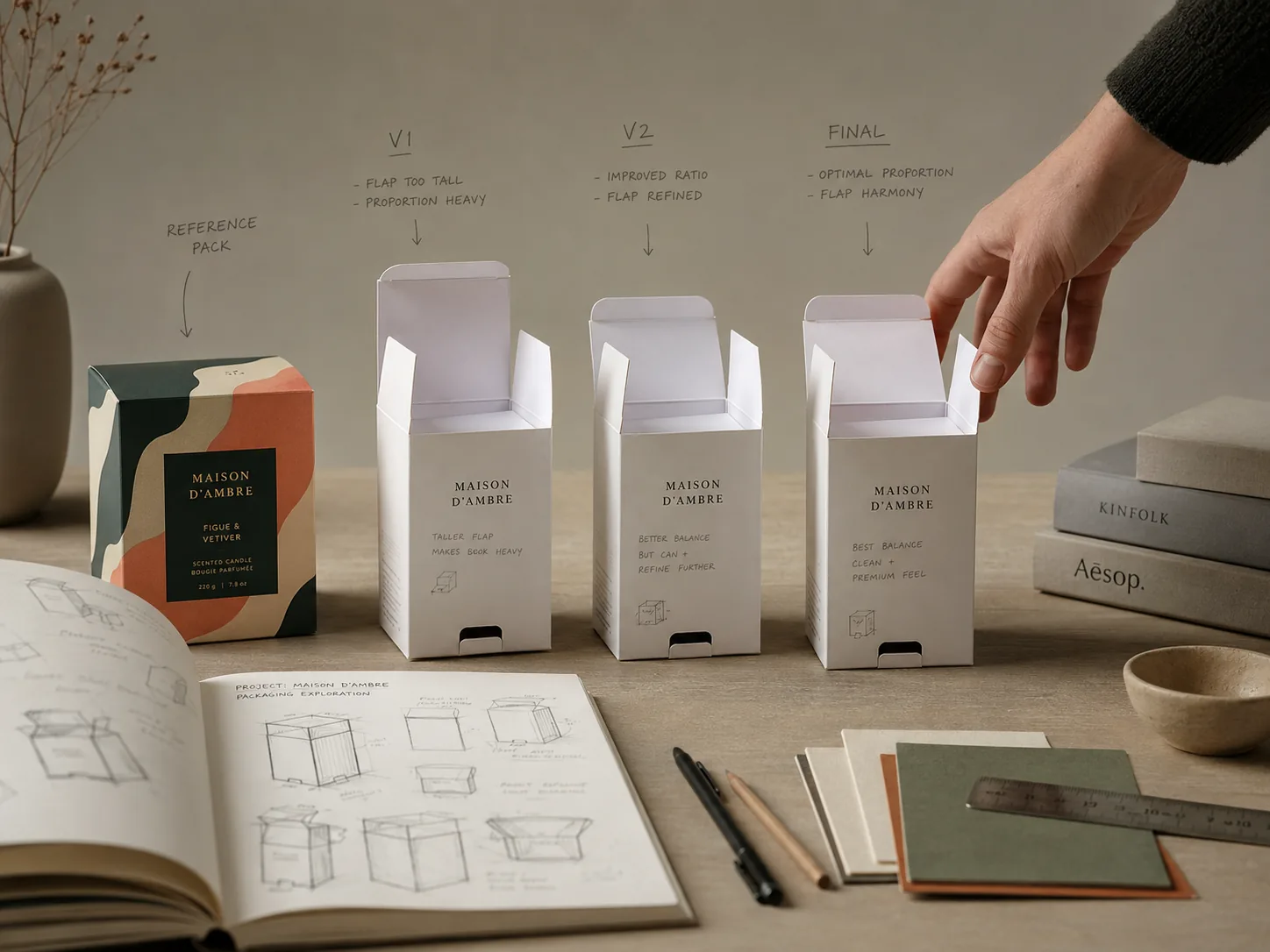
Panels, creases, closures and the grain direction, drawn against the object. Where more than one construction would work, more than one is drawn.
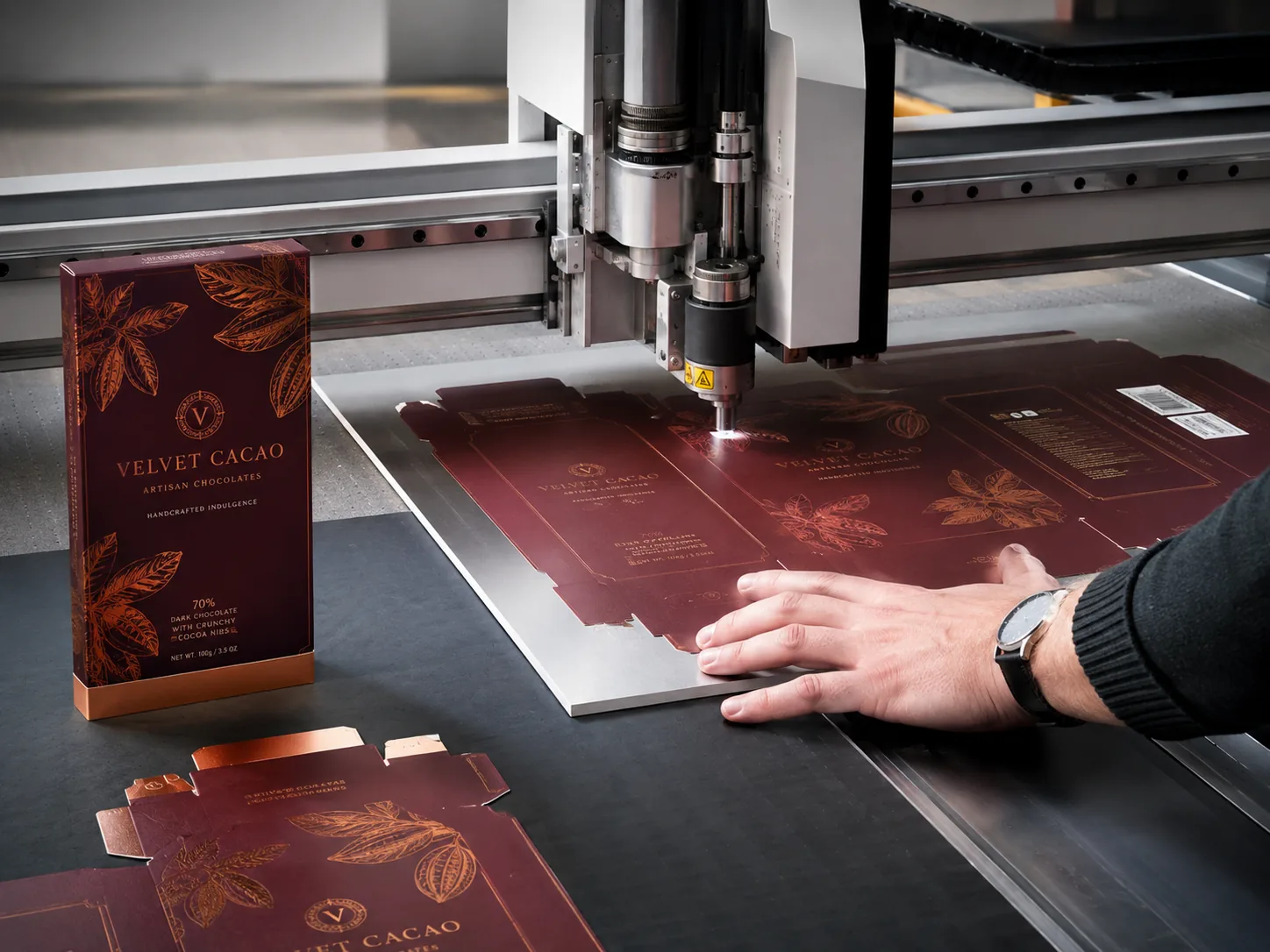
A prototype is cut from the specified board, in the specified grain, and folded by hand. This is where most structures change. The prototype is free.
The prototype is filled with the real product and, where there is a line, sent to run on it. A carton can fold well by hand and still jam a cartoner.
Only after the prototype is signed off does a production die get made. Everything before this point can still change.

A structure developed for your product is a commercial asset.
The dieline is yours. It is developed for your pack, it is not shown to anyone else, and it does not turn up on another brand in your category eighteen months later with the panels rearranged. Ask any supplier, including us, to put that in writing.
Structural design is free before tooling, and so is the prototype. Charging for prototypes gives a supplier a reason to make fewer of them. Three iterations and one die cost less than one iteration and two dies.
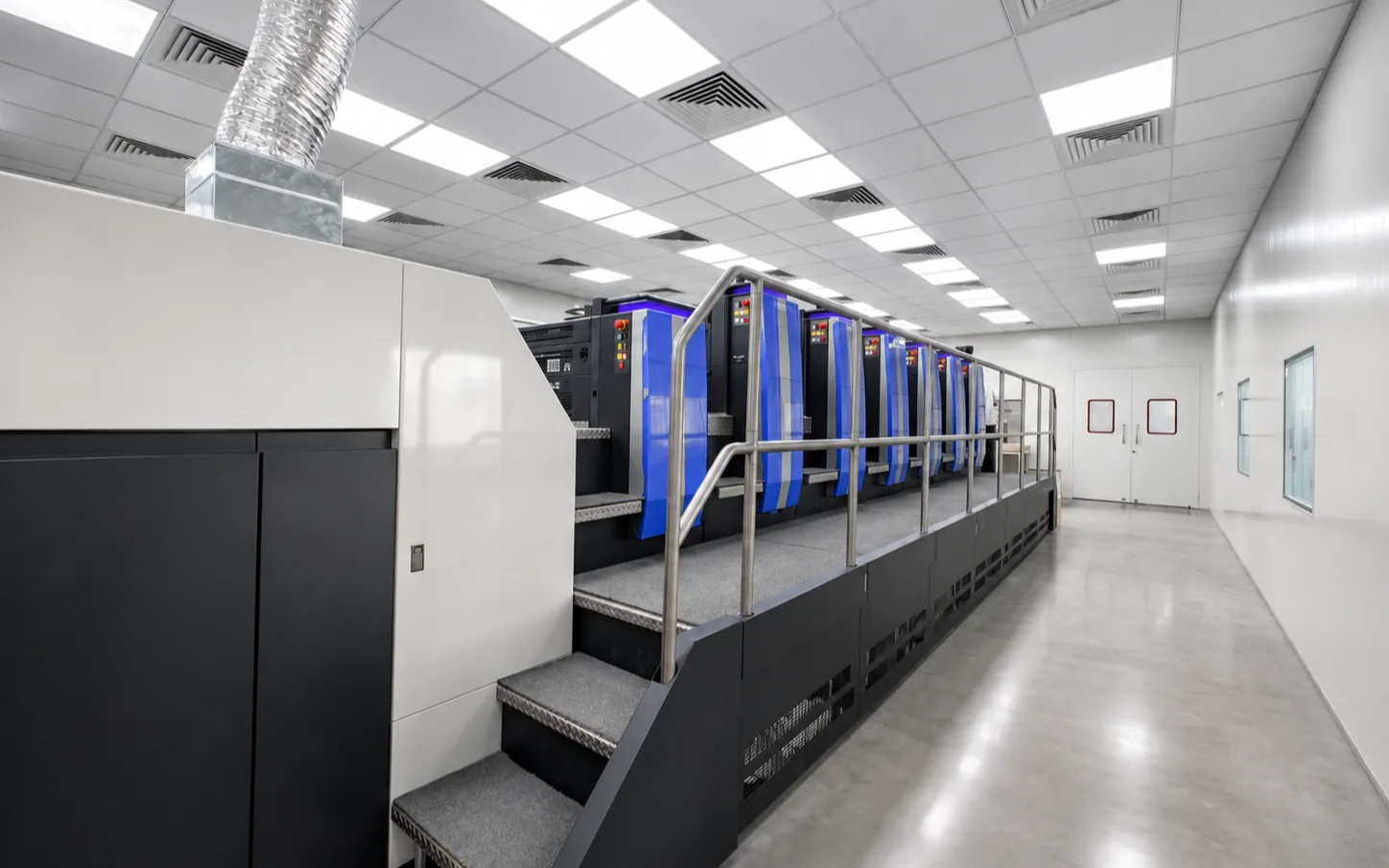
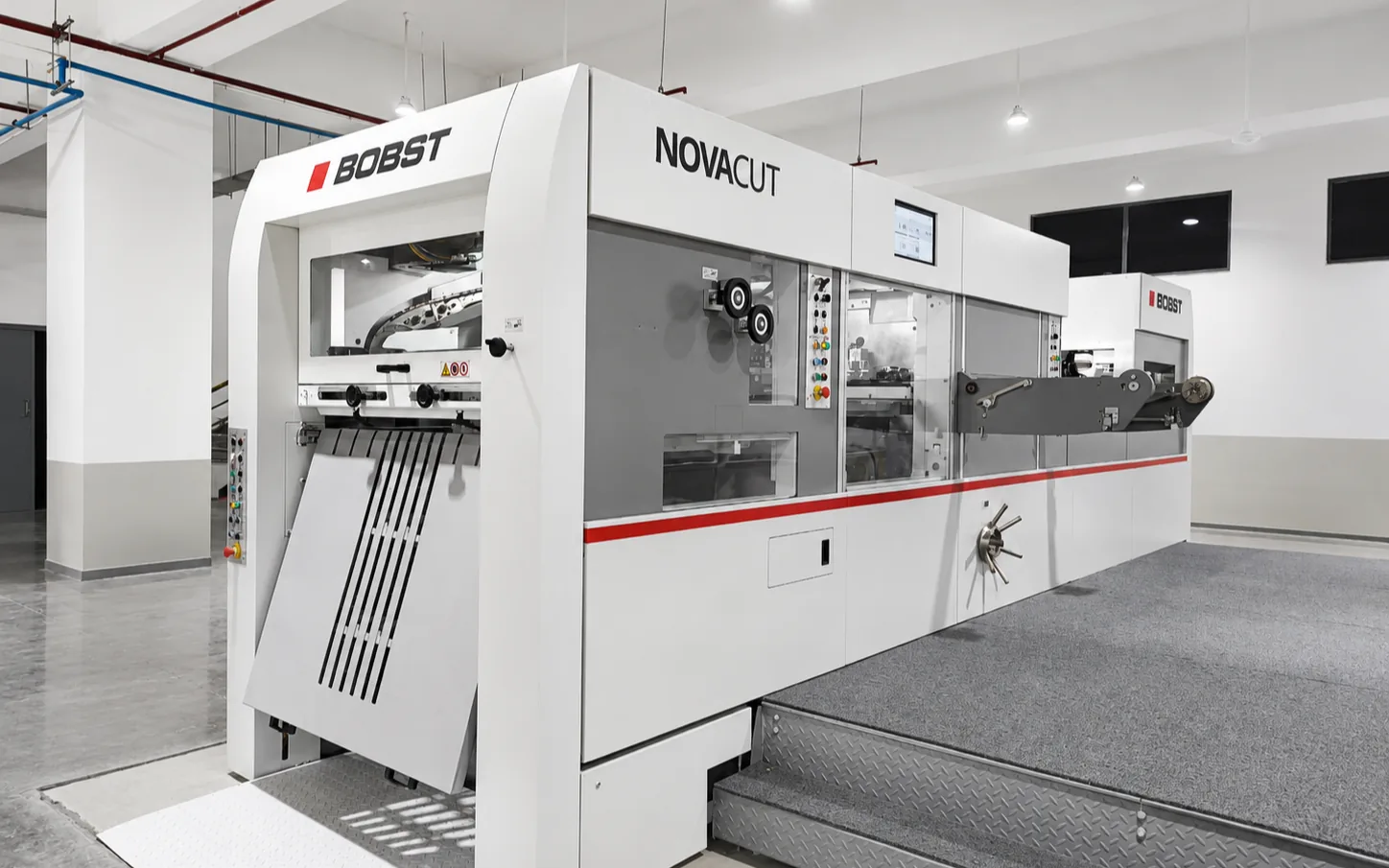
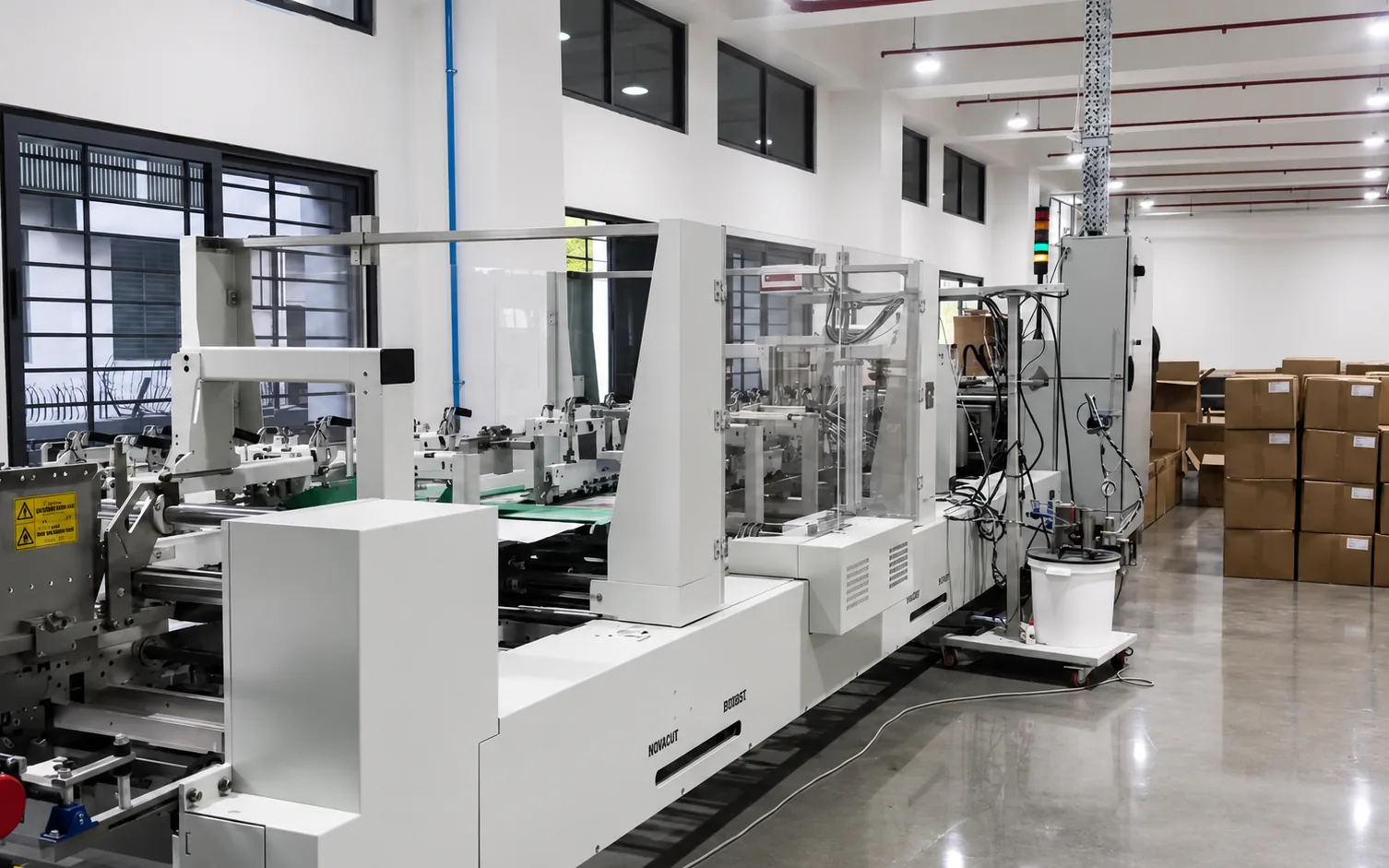
Structural design in a plant that does not do the converting often produces structures that are expensive to run. Here the drawing is done against the line: what the Novacut can hold, what the Novafold will glue in one pass, what the press form yields on the sheet. A structure that needs a second pass costs more on every run, so that is settled at the drawing.
Cartons here are made on bulk production runs, and the cost per carton falls as the run grows, because plates, tooling and make-ready are fixed per run rather than per carton. A quote is priced against the volume you are planning. Landed pricing typically runs 20 to 30 percent below comparable US supplier quotes for the same specification. The quote is one landed price: the cartons, tooling, structural design, proofing, the documents that travel with the order, import duty, shipping and delivery to your address, in the US or anywhere else. Nothing is quoted on top of it later.
Three constructions that between them hold most of what arrives here described as custom. If one of them fits, it is faster, cheaper and better proven than a structure drawn from scratch.
A retail facing carton with an unbroken front panel, drawn to your dimensions.
See the structure: Straight tuck endA pre-glued base that erects in one motion, for anything heavy enough to bow a tuck bottom.
See the structure: Auto lock bottomTwo pieces made as a pair, for a pack that needs presence more than an unusual shape.
See the structure: Tray and sleeveA structure drawn without knowing what the machines will hold can end up needing a second pass on every run. The plant page sets out the press, the die cutter and the folder gluer a custom structure is drawn against.
Machinery and facilityA carton whose panels, creases and closures are developed from your product rather than selected from a range. That is different from a standard structure made to your dimensions, which is what almost every carton here is: every dieline is drawn for the job it is on. A custom structure is for a product that will not sit in a standard form, an opening that has to happen in a particular sequence, a fitment that has to be part of the carton, or a line that requires a closure nothing standard provides.
Nothing before tooling, and neither do the prototypes. Charging for prototypes gives a supplier a reason to make fewer of them. Three iterations and one cutting die cost less than one iteration and two dies.
You do. A structure developed for your product is not offered to another brand, in your category or outside it, and it does not reappear with the panels rearranged. Where you want a confidentiality agreement in place before a product sample arrives, we sign one first.
It depends on how many iterations the structure needs, so it is quoted as a sequence: the product arrives, the structure is drawn, a prototype is cut and folded, it is loaded and run, and only then is tooling committed. Production lead time after sign off is the same as any other new order here, which is 15 to 20 days.
Yes. It is one of the four things that most often make a structure custom. Where a line has a fixed closure, a particular feed or a sealing head in a set position, the carton is drawn to suit it. Prototypes are sent to run on your own line before tooling.
Yes, cut from the board you have specified, in the specified grain direction, folded and sent to you. As many as the structure needs. The prototype finds the problems a drawing misses.
Yes. Send the carton and the product, and the prototype comes back before any tooling. The structure is measured, board and caliper matched, and color matched to your existing standard under D65 and TL84 viewing conditions. Most switching programs are matched from a sample rather than rebuilt from a specification.
Last reviewed
Structural design starts with the object. Send the product, or a dimensional sample of it, and the structure is drawn to it, cut, folded, loaded and run before any tooling is committed. If a standard format would have done the job, we will say so. A packaging planner replies within one business day.