MATERIALS
SBS paperboard (solid bleached sulphate)
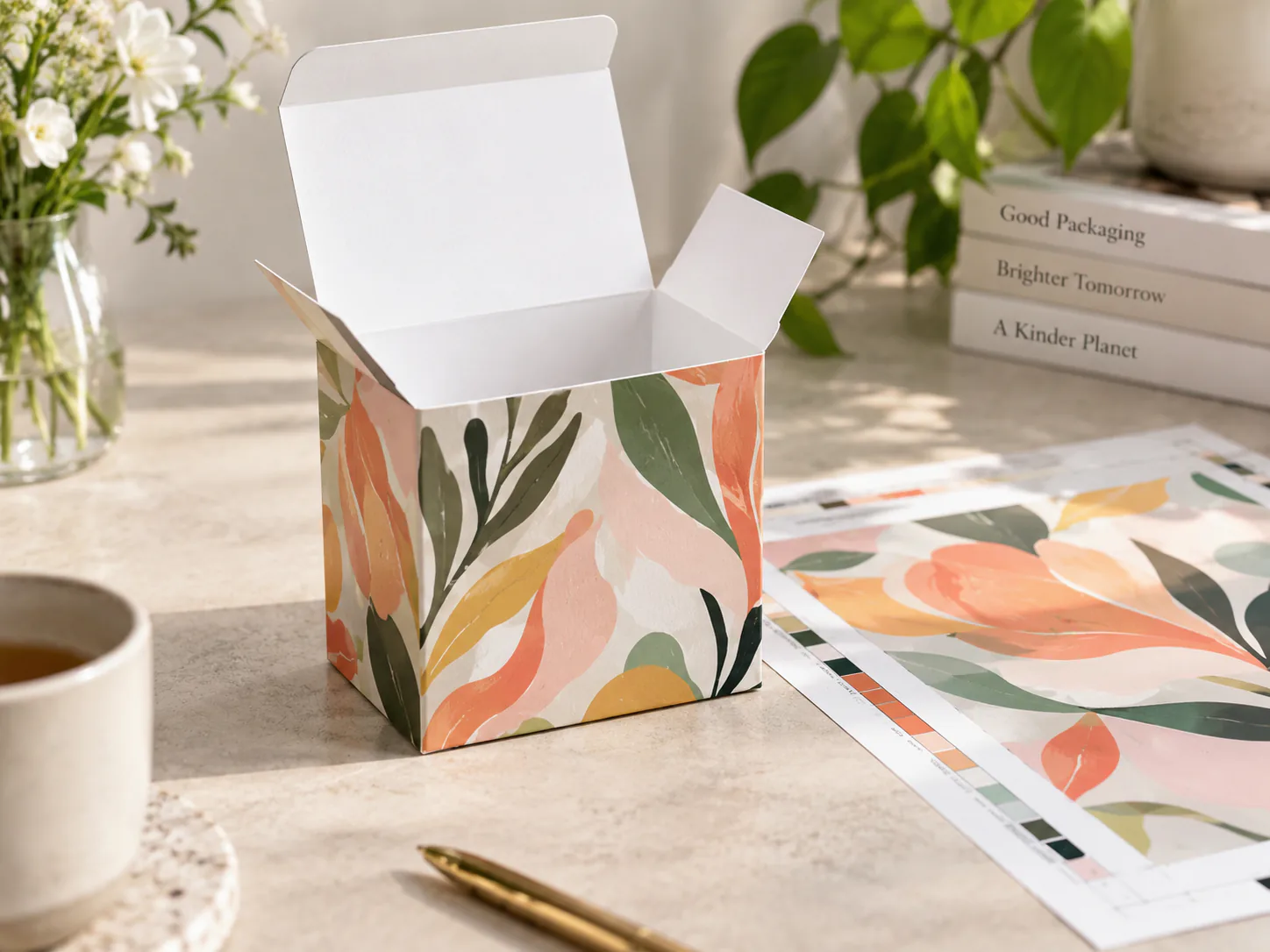
SBS paperboard is virgin board made from 100 percent bleached chemical pulp through its entire thickness, so it is white on both faces and white through the caliper. It is clay coated on one side or on both, and the coated face is the cleanest printing surface available in folding cartons.
Specified where the print carries the pack: photographic artwork, an exact brand color, or a carton whose inside is seen.
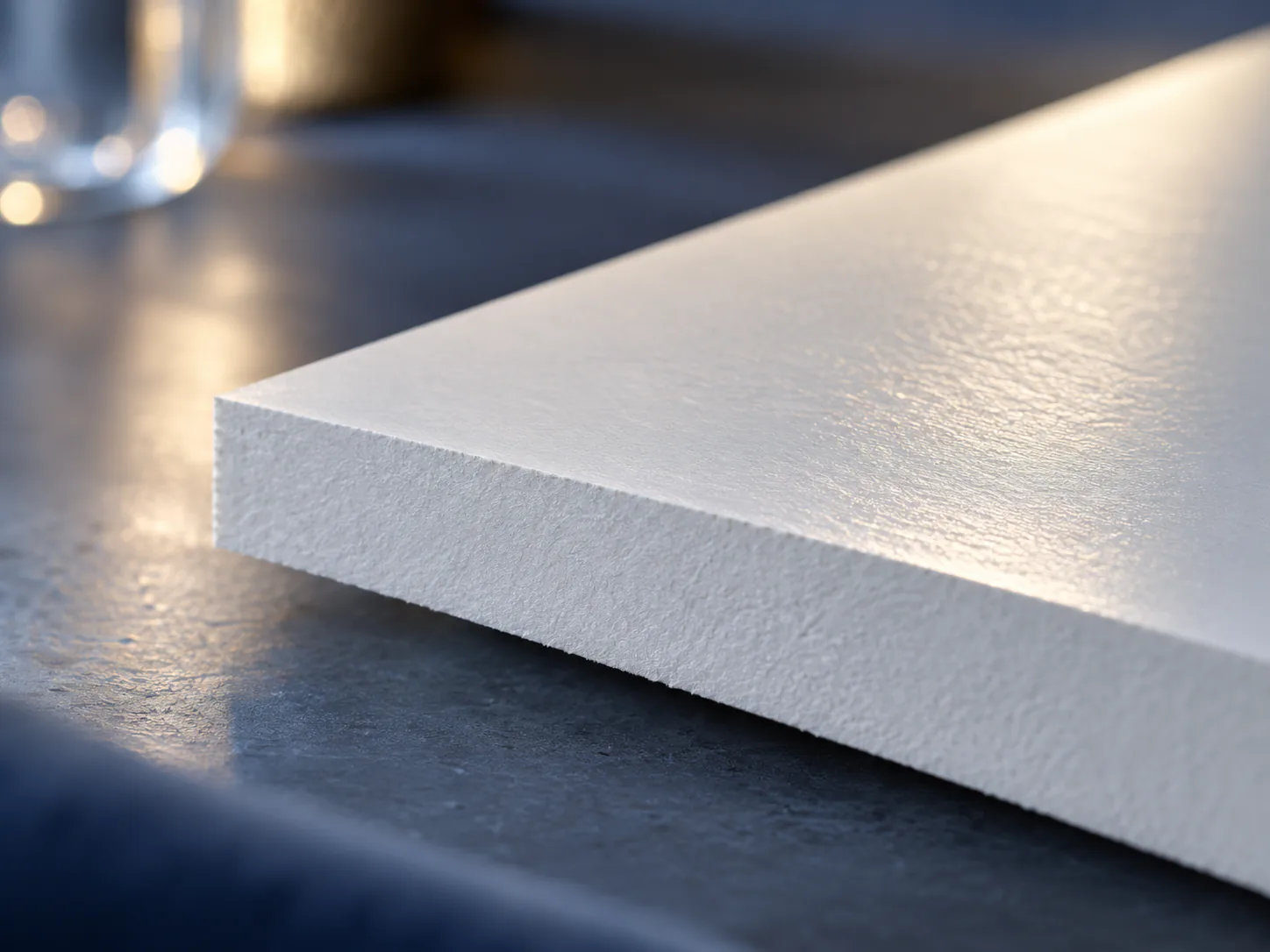
Fiber
Bleached, all the way through
One furnish, no middle ply doing a different job.
Both faces
White
The reverse is as white as the front, coated or not.
Coating
C1S or C2S
Coated one side, or coated two. One side covers almost every carton.
The trade
Heavier for the same stiffness
No bulky middle ply, so a given stiffness costs more weight than in FBB.
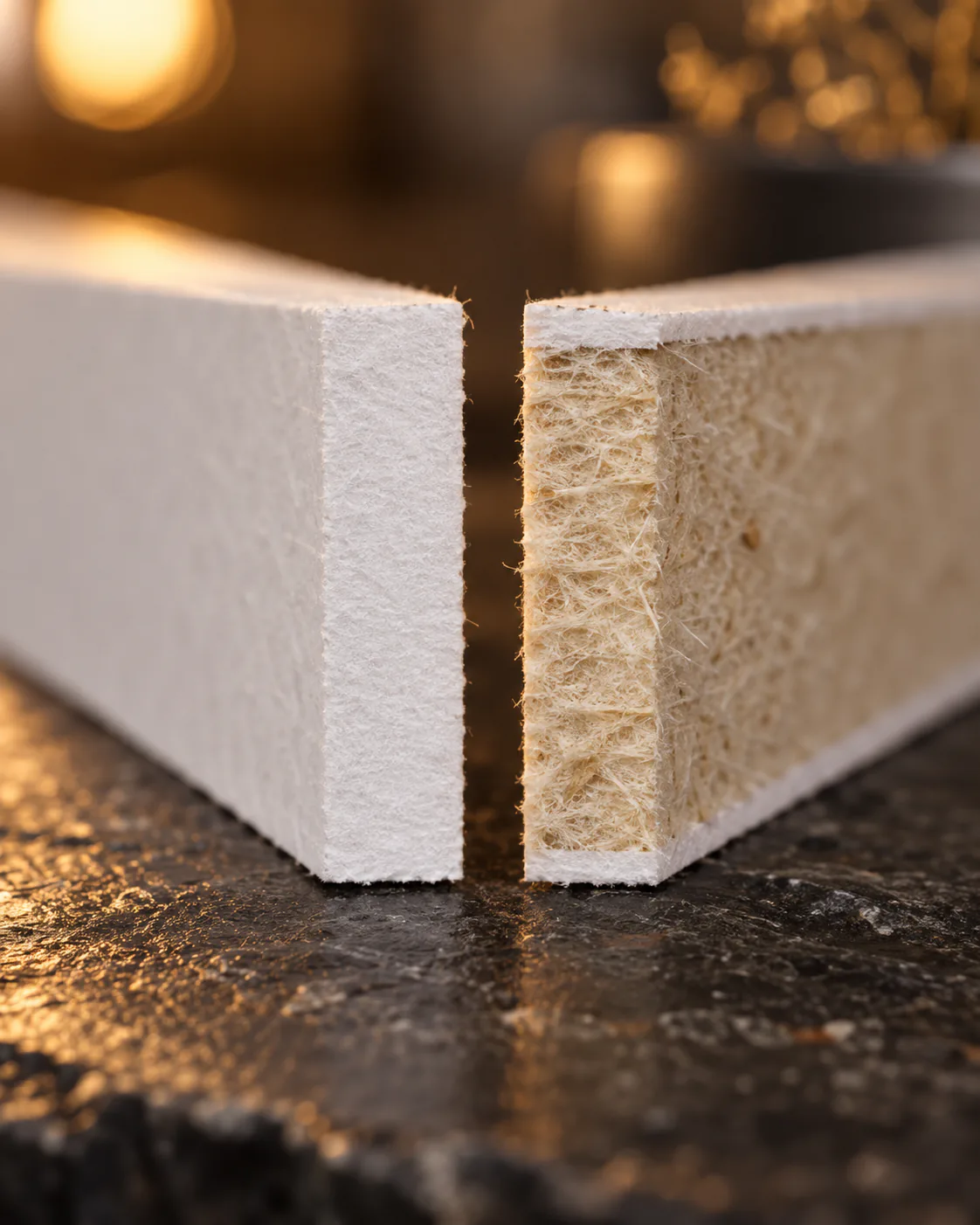
What is inside a sheet of SBS
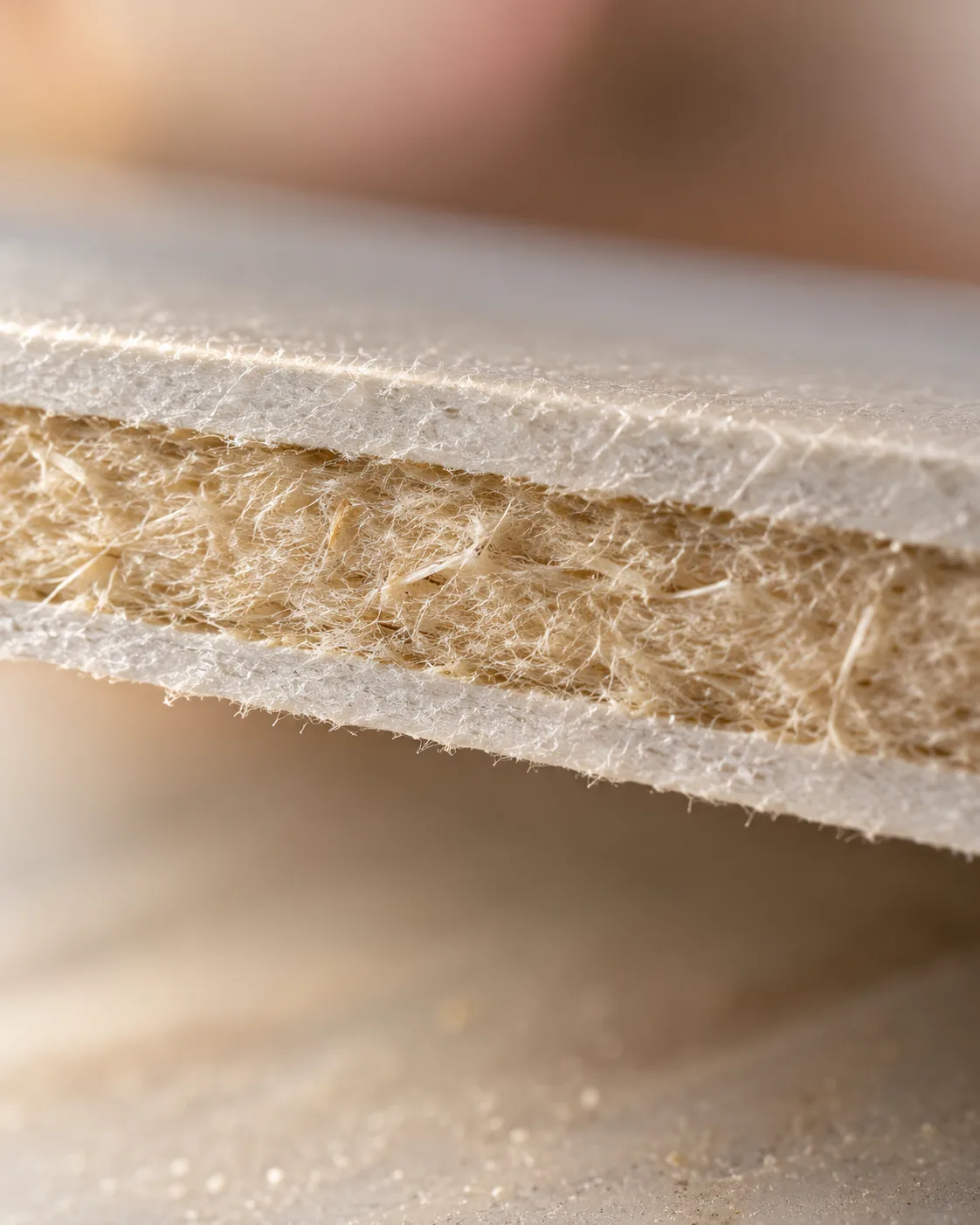
One furnish, the whole way down. There is no middle ply doing a different job, which is what makes the reverse face as white as the front and what makes the grade heavier than FBB for the same stiffness.
C1S and C2S: coated one side or two
The board is white on both faces either way. What the second coating buys is a printable surface on the reverse, and most cartons do not need one.
| Compared on | C1S, coated one side | C2S, coated two sides |
|---|---|---|
| The print face | Clay coated. The full print surface | Clay coated. Identical to C1S |
| The reverse | Uncoated, and white. Takes ink, but absorbs it and prints softer | Clay coated and white. Prints the same as the face |
| Specify it when | Almost always. The outside of the carton is what is printed | The interior is printed with artwork that has to hold detail, or the carton is reverse printed |
| Cost position | The lower of the two | Higher, by the second coating pass |
| Common mistake | None. This is the default | Paying for it because the interior is visible, when nothing is printed there |
A white interior does not require C2S, because the board is already white on both faces. C2S is only worth paying for where artwork is being printed on the inside of the carton and has to hold fine detail.
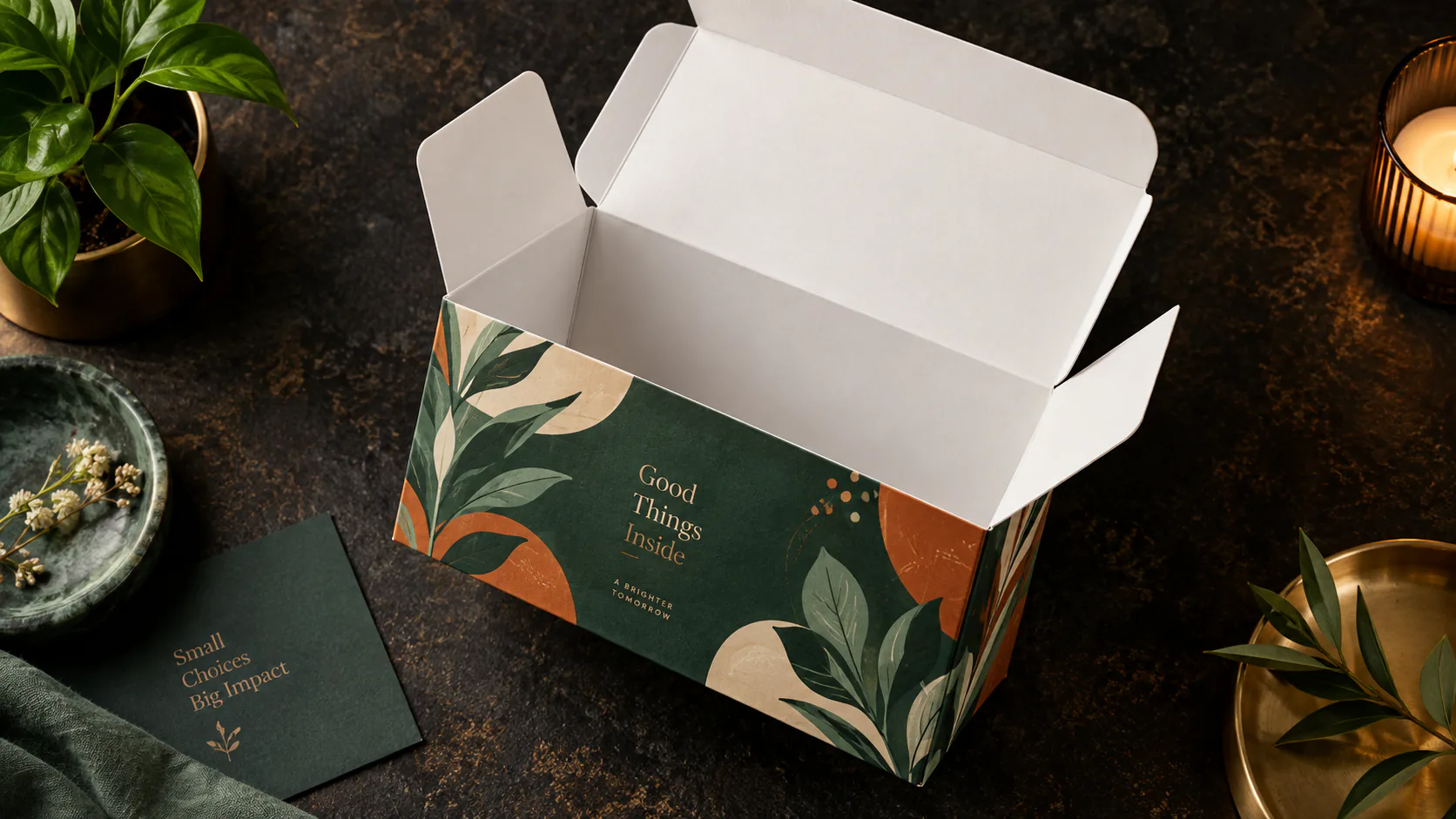
Bleached the whole way through, so the reverse of the carton is as white as the face.
Caliper range and what each range is for
SBS is specified in points of caliper, where a point is one thousandth of an inch. The ranges below are the folding carton ranges for the grade.
| Caliper | In inches | What it suits |
|---|---|---|
| 12 to 14 pt | 0.012 to 0.014 in | Sachet cartons, small sleeves, inner wraps |
| 16 to 18 pt | 0.016 to 0.018 in | Pharmaceutical cartons, cosmetics, supplement bottle cartons up to about 120cc |
| 20 to 24 pt | 0.020 to 0.024 in | Premium cosmetics, powder cartons, cartons with a crash lock base |
| 26 to 30 pt | 0.026 to 0.030 in | Large premium cartons, and trays that resist a crush |
Which caliper a particular carton wants is settled at structural design against the filled product weight, rather than chosen off a chart. Send the fill weight and the recommendation comes back in points.
Why SBS costs more than FBB
There are two reasons.
The furnish is more expensive. SBS is bleached chemical pulp through its whole thickness. Chemical pulping takes longer and yields less fiber per tree than mechanical grinding, and bleaching is a further stage again. FBB spends that money on its outer plies only and fills the middle with the cheapest furnish available.
And it is heavier for the same stiffness. Stiffness is governed by how far apart a sheet holds its outer plies, and SBS has no bulky middle ply to hold them apart, so it reaches a given stiffness by being thicker and heavier in solid fiber. Freight is charged by weight, so the same carton at the same stiffness costs more to ship in SBS than in FBB.
SBS buys print fidelity and a white reverse. FBB buys stiffness per dollar.
SBS for food and pharmaceutical cartons
SBS is the grade most often specified for food and pharmaceutical folding cartons, and the reasons are properties of the board. It is virgin fiber with no recovered content, it is white through the caliper so nothing reads through a light print, and the coated face holds the fine type that a regulated panel is set in.
Whether a particular carton is suitable for a particular product is decided by the specification rather than by the grade, because it depends on the product, on whether contact is direct or through an inner wrapper, and on the coating and inks going over the board.
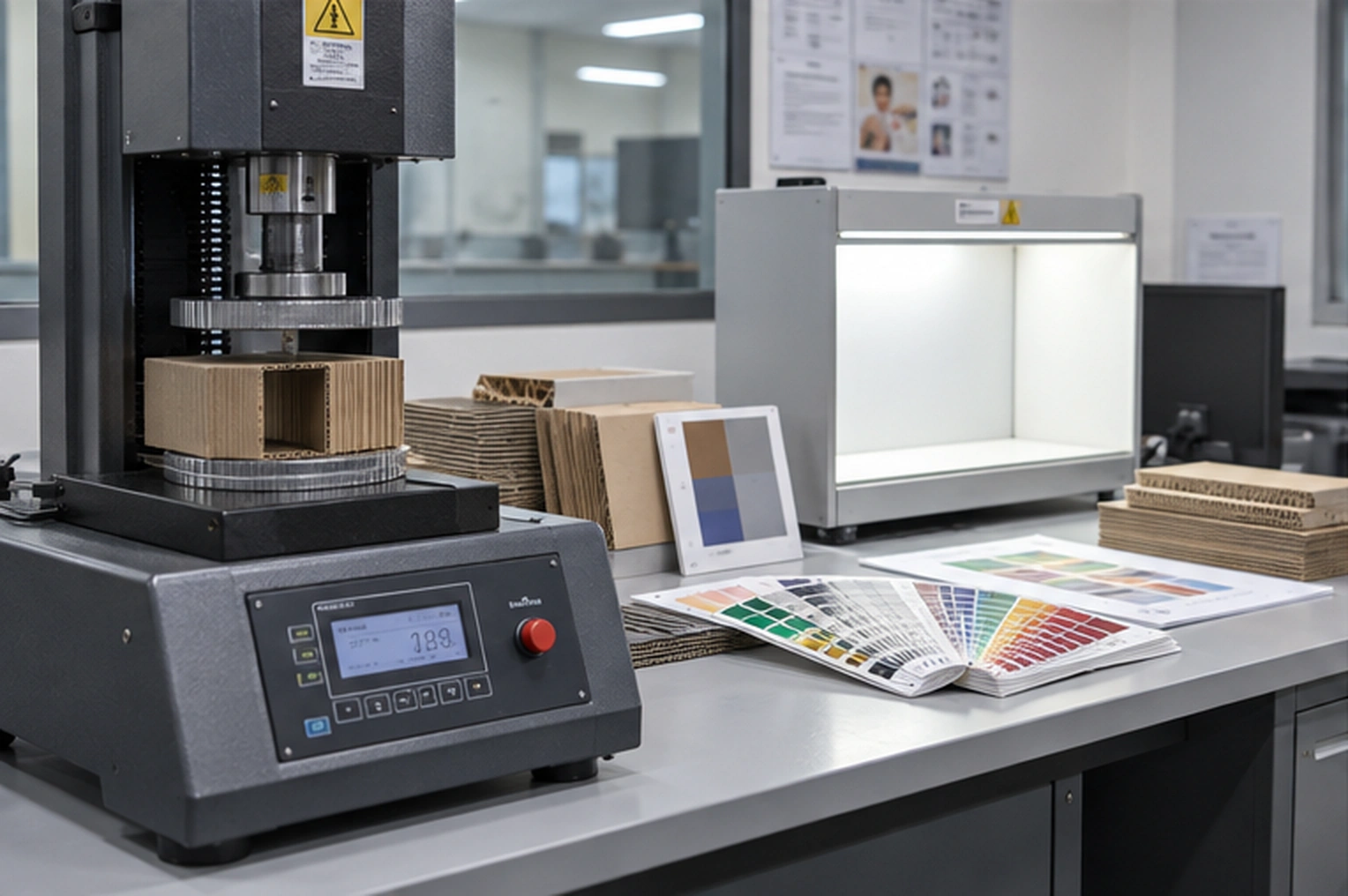
What is fixed here is the checking. Incoming board is tested against what was ordered in an in-house quality laboratory before it reaches the press, with grammage measured by round cutter and digital balance and bursting strength measured against the minimum for the grade. Inks are vegetable based and low VOC. The plant is certified to ISO 9001, ISO 14001 and ISO 45001, operates to BRCGS packaging standards and SEDEX, and is FSC compliant. Certificates are available on request.
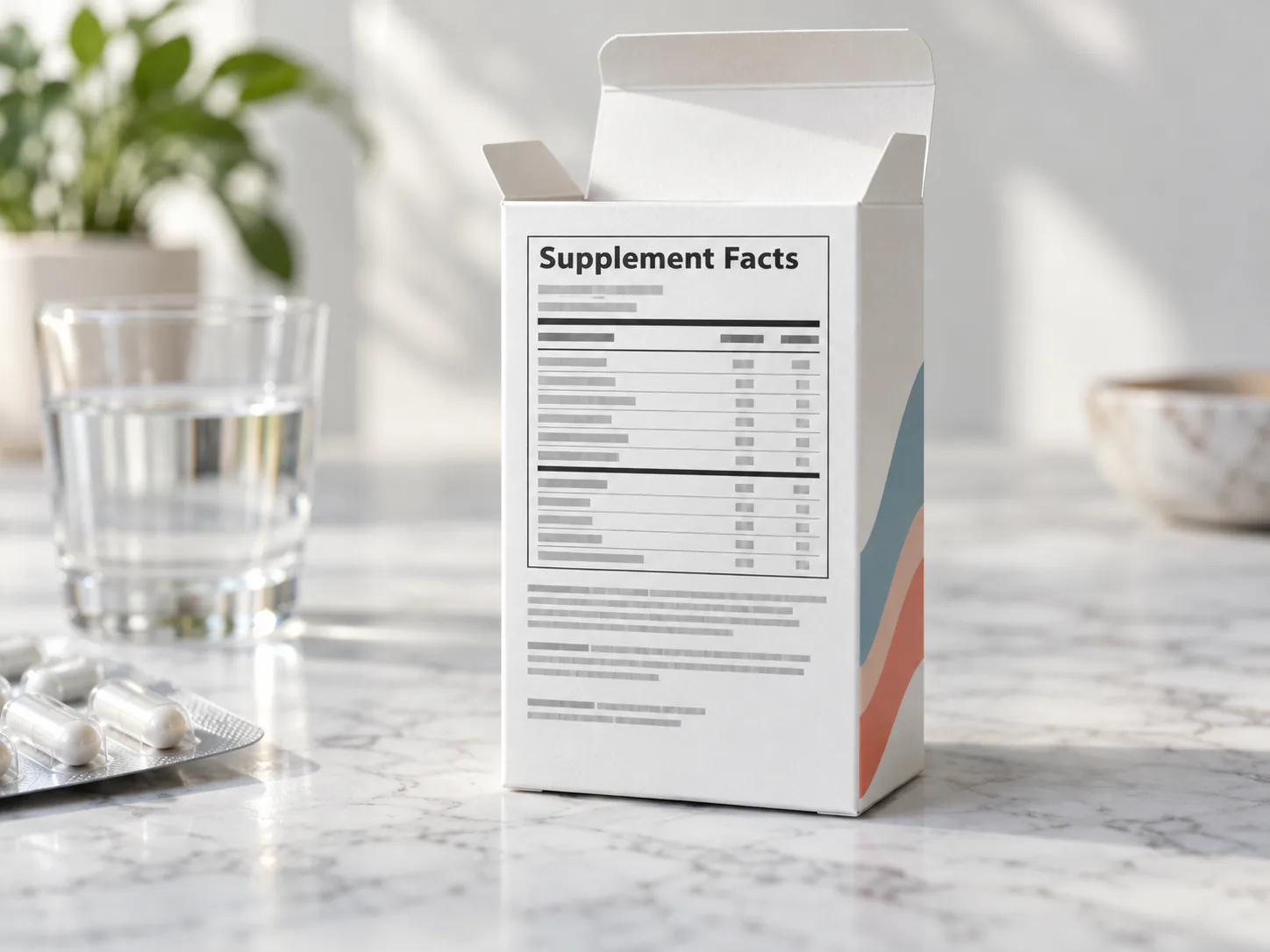
SBS or FBB
Ask what the carton is being judged on. If it is the printed face, a photographic image or a brand color that has to be exact, the cleanest surface in folding cartons is worth the weight it costs. If it is holding a large panel flat on a shelf, the money is better spent on a bulky middle ply than on bleached fiber nobody sees. Where the interior is part of the design, only SBS is white on the reverse.
SBS as specified here
How an SBS carton is specified here, field by field.
The board
- Stocked
- SBS is one of the four grades stocked here, alongside FBB, kraft-back and recycled board, so an SBS carton is a stock decision rather than an indent.
On the sheet
- Printing
- Offset litho on a six-color Komori line, with the coating unit inline.
- Coating
- Aqueous or UV to the job.
- Inks
- Vegetable based, low VOC.
- Color standard
- Matched under D65 and TL84 viewing conditions against your existing standard.
- Incoming checks
- Grammage and caliper are measured against the docket at goods-in, before the board reaches the press.
Read next
Questions about SBS paperboard
SBS is a virgin paperboard made from bleached chemical pulp through its entire thickness. Because the whole sheet is the same bleached furnish rather than plies of different furnishes, it is white on both faces and white through the caliper, and there is no middle ply to show on a cut edge. It is clay coated on one side or on both, and the coated face is the cleanest printing surface available in folding cartons. It is the grade specified where the printed face carries the pack: pharmaceutical cartons, cosmetics, premium supplements and anything with a photographic image or a brand color that has to be exact.
C1S is coated on one side and C2S is coated on both. The board is white on both faces either way, because the whole sheet is bleached fiber; what the second coating adds is a printable surface on the reverse rather than a whiter one. C1S is the right specification for almost every folding carton, since the outside of the carton is what gets printed. C2S is worth paying for only where artwork is printed on the inside of the carton and has to hold fine detail. The most common avoidable cost on this grade is buying C2S for an interior that is visible but not printed.
Ask what the carton is being judged on. If it is the printed face, and the artwork is photographic or carries a brand color that has to match, SBS gives the cleanest surface in folding cartons and is worth the extra weight. If it is holding a large panel flat on a shelf, FBB reaches the same stiffness at a lower weight because of its bulky mechanical middle ply, and since freight is charged by weight the saving grows with the size of the carton. Where the interior is part of the design, SBS is white on the reverse and FBB is cream. The comparison table on the materials index sets both out against kraft and recycled board field by field.
Yes, and it is the easiest of the four grades to recycle. Bleached virgin fiber is long, clean and uniform, so it repulps readily and the recovered fiber is good enough to go back into a printing grade rather than down into a packaging one. The grade is also where much of the recovered stream that becomes chipboard originates. What changes the answer for a finished carton is the finish specified over the board rather than the board itself, which is set out on the finishes index.
Last reviewed
Send the artwork and the fill weight
The caliper comes back against what the carton holds, with C1S or C2S named against what is being printed rather than against what is visible. Board samples go out on request. Landed cost runs 20 to 30 percent below a comparable US supplier quote.