Seal end
Glued at both ends rather than one, for a carton filled and sealed inline and never reopened.
See the structure: Seal endFOLDING CARTONS
An auto lock bottom box, also called a crash lock, is a carton whose base panels are pre-glued flat at the plant and lock into a square base in one motion as the carton is opened out.
It arrives flat like any other folding carton and becomes a load-bearing box without a single flap being folded by hand.

Four base panels, each with a diagonal score across it. They are glued to each other while the carton is still flat, so squaring the body is what locks them.
How a auto lock bottom carton is made, in five steps.
Drawn to illustrate the structure. Your dieline is developed to your product, free, before you commit. Folded and glued on a Bobst Novafold, which runs crash lock among its stock structures. Creases are pre-broken before the base is folded, so the board folds where it was scored instead of cracking a laminate along the fold.
Ask for a structural designOne blank, one glue seam, and a second run of glue across the base panels before the carton ever leaves the plant. The sequence beside this cuts, scores and then folds the blank in the order the plant makes it: wrap the body, glue the seam, lap the base panels, glue them to each other, lie flat. What ships is a flat carton with its base already finished.
Board is stated in gsm and in points of caliper, and the base is specified against what goes in the carton rather than against its size.
A tuck bottom and a locked bottom fail differently.
A tuck flap is one thickness of board folded in and held by friction against the panel it meets. Under a static load it bows in the middle first, because the load is carried by the edges of a flap held at one hinge. Then the flap slips out of its friction lock, and the contents drop.
A locked base is four panels lapped over each other and glued, so the base is more than one thickness of board across most of its area and every panel is anchored to two others. The load runs out of the base and into the panel walls, where a carton is strong, and the walls carry it as a column.
The crossover depends on what is inside, not on weight alone. A bottle concentrates its load onto a small footprint in the middle of the base, which is the worst case for a tuck flap; a light product that fills the whole carton spreads its load to the walls and a tuck flap holds it easily. On the supplement side of this plant the crossover sits around the point where a packer bottle stops being handled as a light item and starts being handled as a heavy one, and the structure recommendation moves to a locked base there.

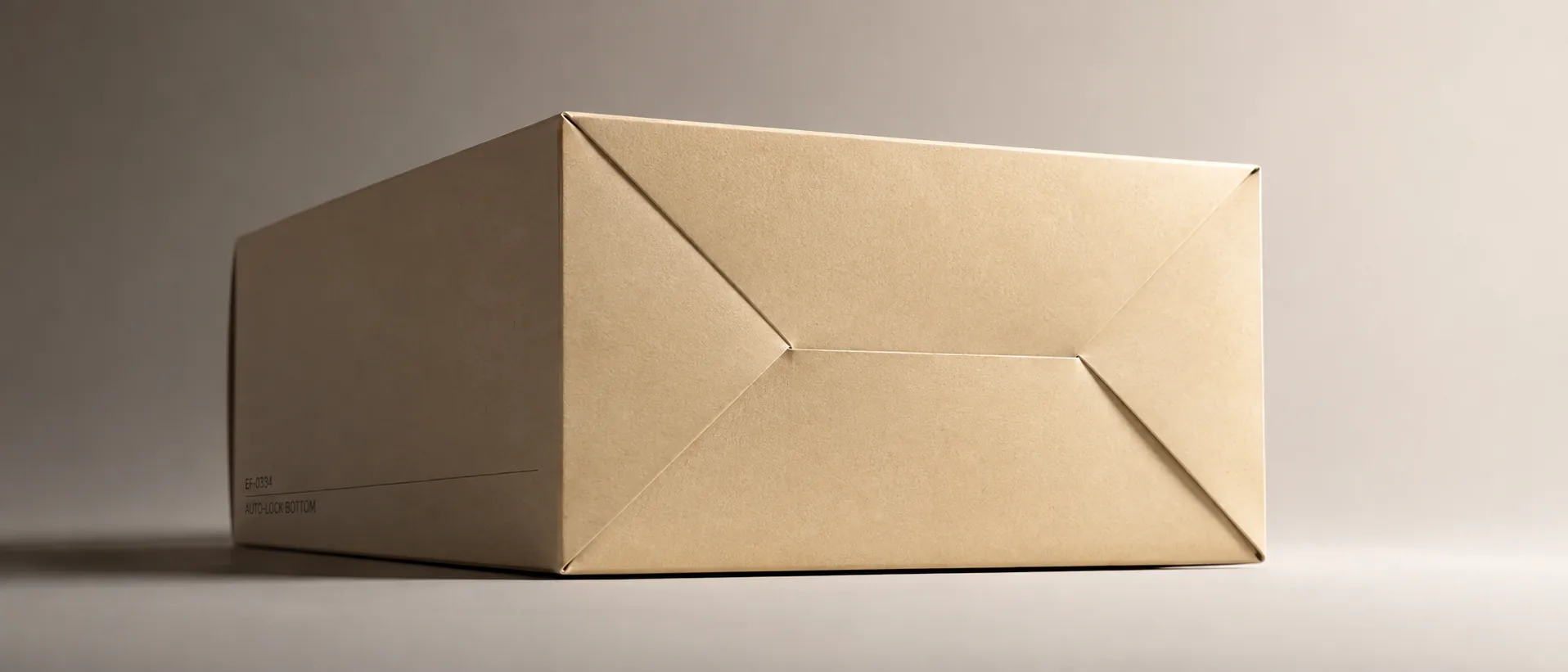
A locked base carries the load into the walls, where a carton is strong.
Three stages of one motion, from underneath. Nothing is folded by hand and nothing is taped. Squaring the body pushes the four panels against each other along their diagonal scores.
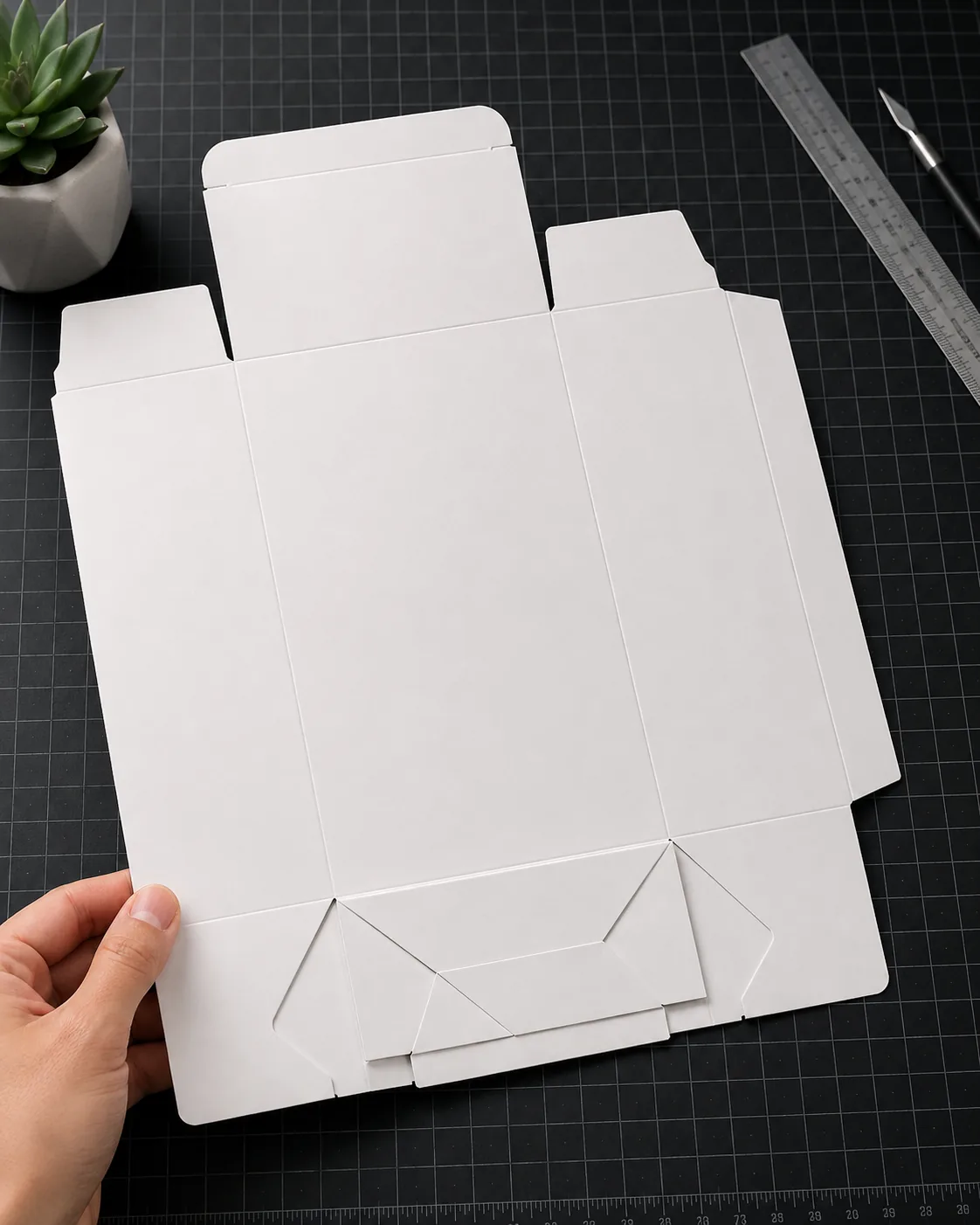
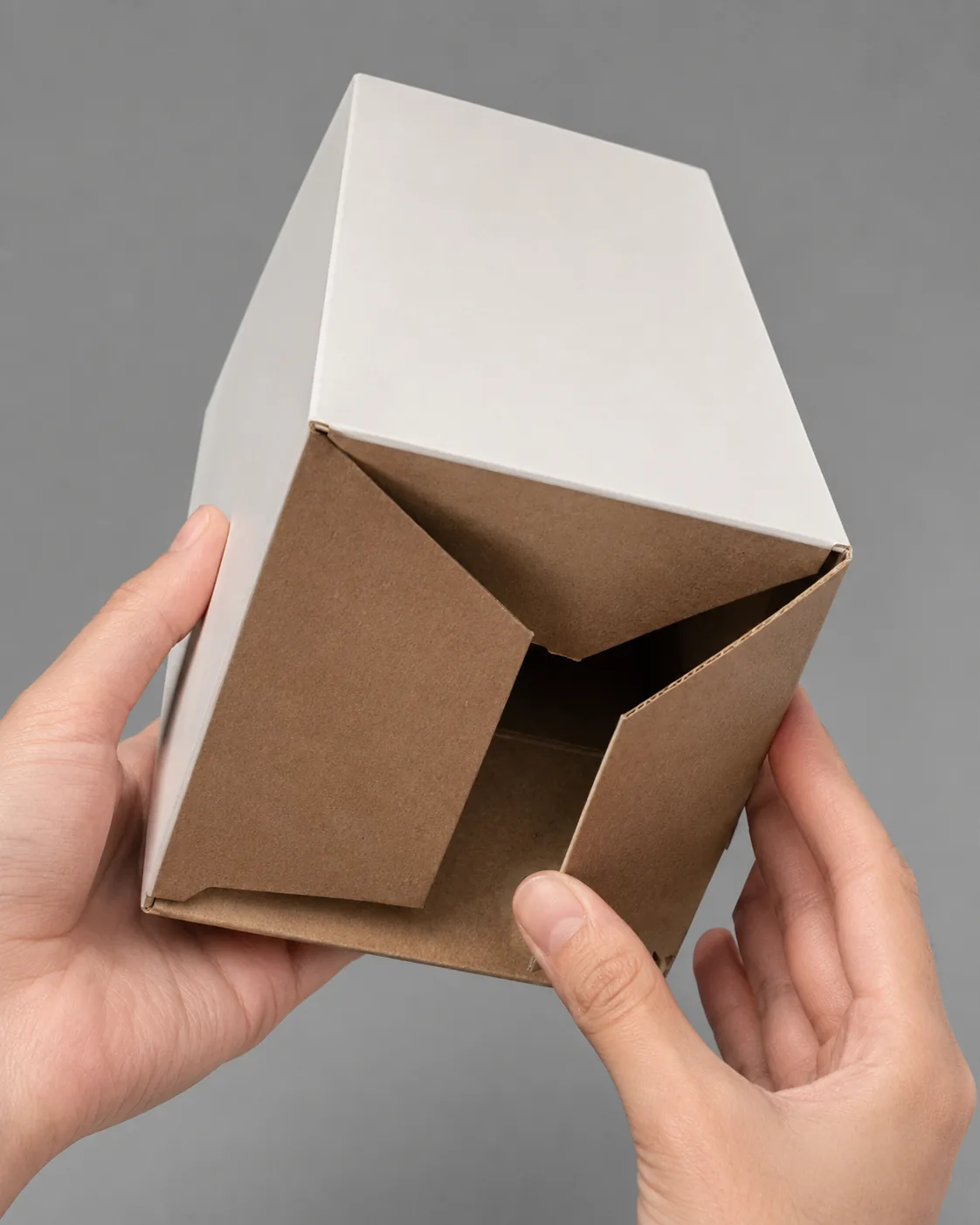
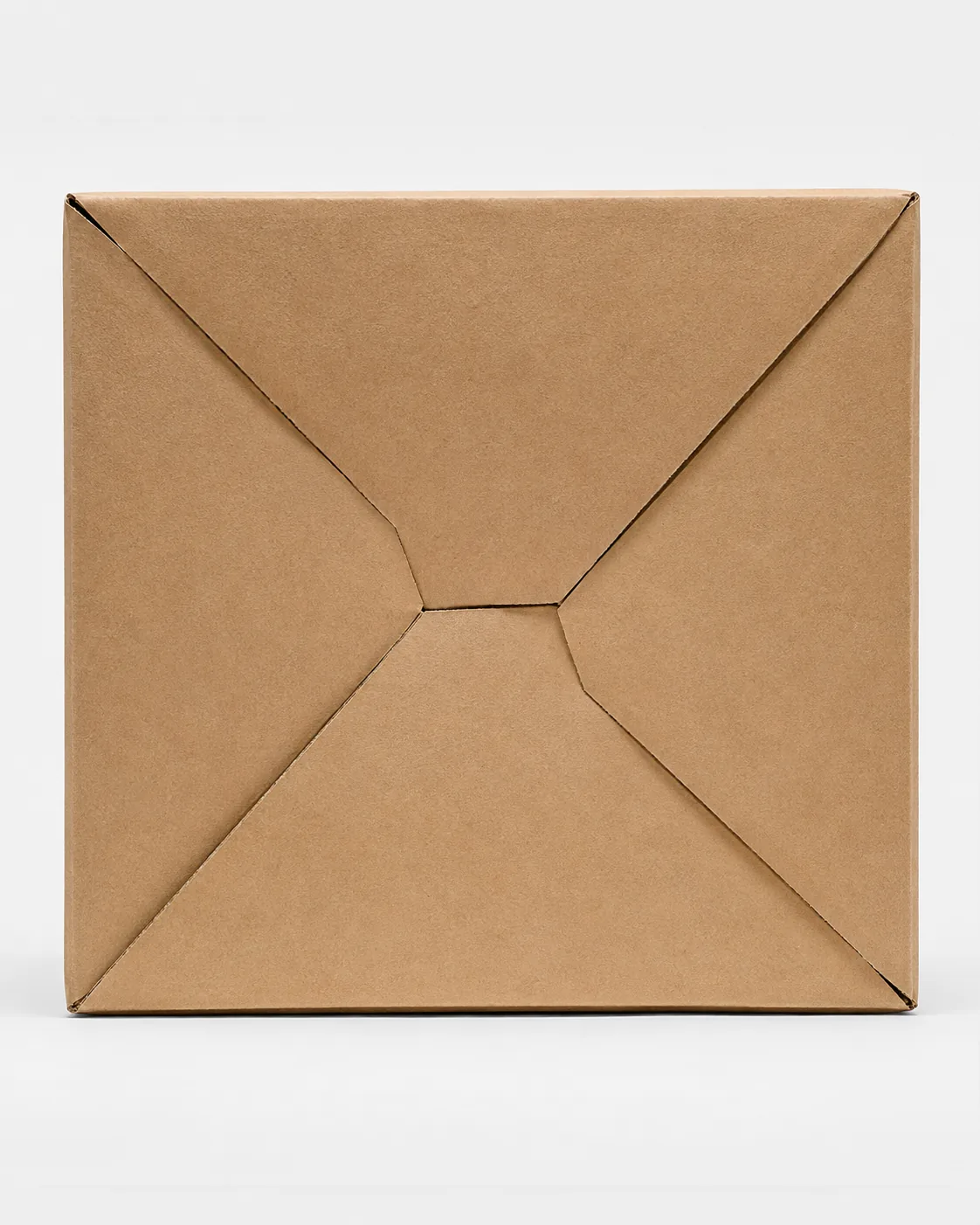
Same carton, same board, same print, with a different base.
| Tuck bottom | Auto lock bottom | |
|---|---|---|
| What is under the load | One thickness of board, held by friction against the panel it meets | Four panels lapped over each other and glued, most of the base more than one thickness |
| Where the load goes | Onto the edges of a flap anchored at one hinge | Out of the base and into the panel walls, loaded as a column |
| How it fails | Bows in the middle, then slips out of its lock | The base is glued, so the failure mode moves to the board and the walls |
| Erecting | Squared, then each flap folded and tucked in turn | Squared. The base closes in the same motion, by hand or on a cartoner |
| Specify it when | The fill is light, or it fills the carton and spreads its load to the walls | The fill is heavy, or it concentrates on a small footprint in the middle of the base |
What a specific carton holds is measured. Box compression is one of the six physical tests run on every production run here, against your own stacking and transit conditions.
The base is the same in both. The top depends on how the carton is filled and whether the buyer opens it more than once.
A tuck flap over a locked base. The carton erects in one motion, is filled, and closes by hand, so it opens and closes as many times as the buyer wants. The usual pairing for a retail pack that is heavy.
Learn more: Tuck top auto bottomA glued top over a locked base. Filled and sealed inline, and it has to be destroyed to be opened, so the tamper evidence is part of the construction.
Learn more: Seal end top over auto bottomThis structure leaves the plant with a second glue operation already done. The side seam and the base are both glued on the Bobst Novafold, which runs crash lock among its stock structures, and the creases are pre-broken before the base is folded so the board folds where it was scored rather than cracking a laminate along the fold.
Cartons here are made on bulk production runs, and the cost per carton falls as the run grows, because plates, tooling and make-ready are fixed per run rather than per carton. A quote is priced against the volume you are planning. Landed pricing typically runs 20 to 30 percent below comparable US supplier quotes for the same specification. The quote is one landed price: the cartons, tooling, structural design, proofing, the documents that travel with the order, import duty, shipping and delivery to your address, in the US or anywhere else. Nothing is quoted on top of it later.
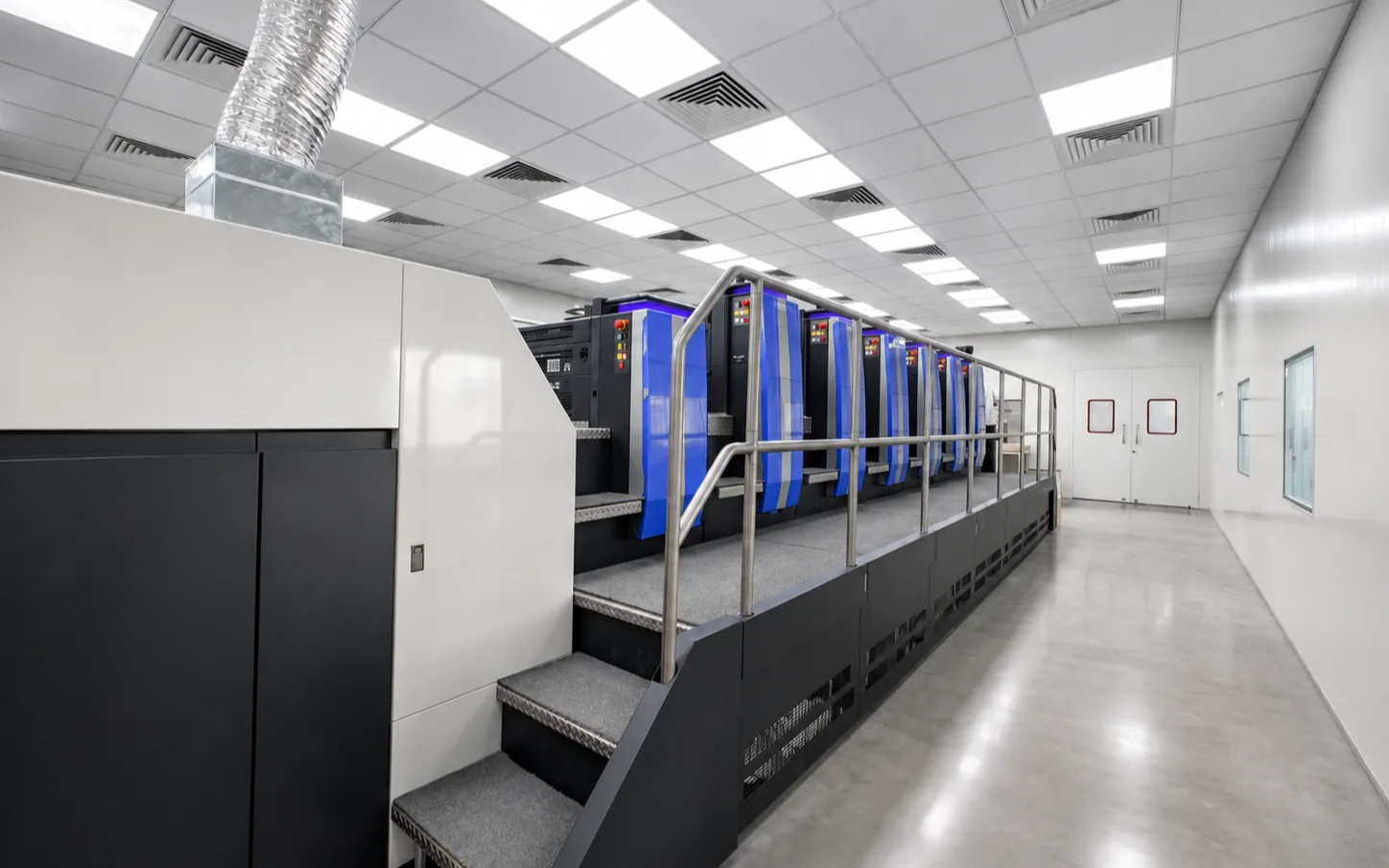
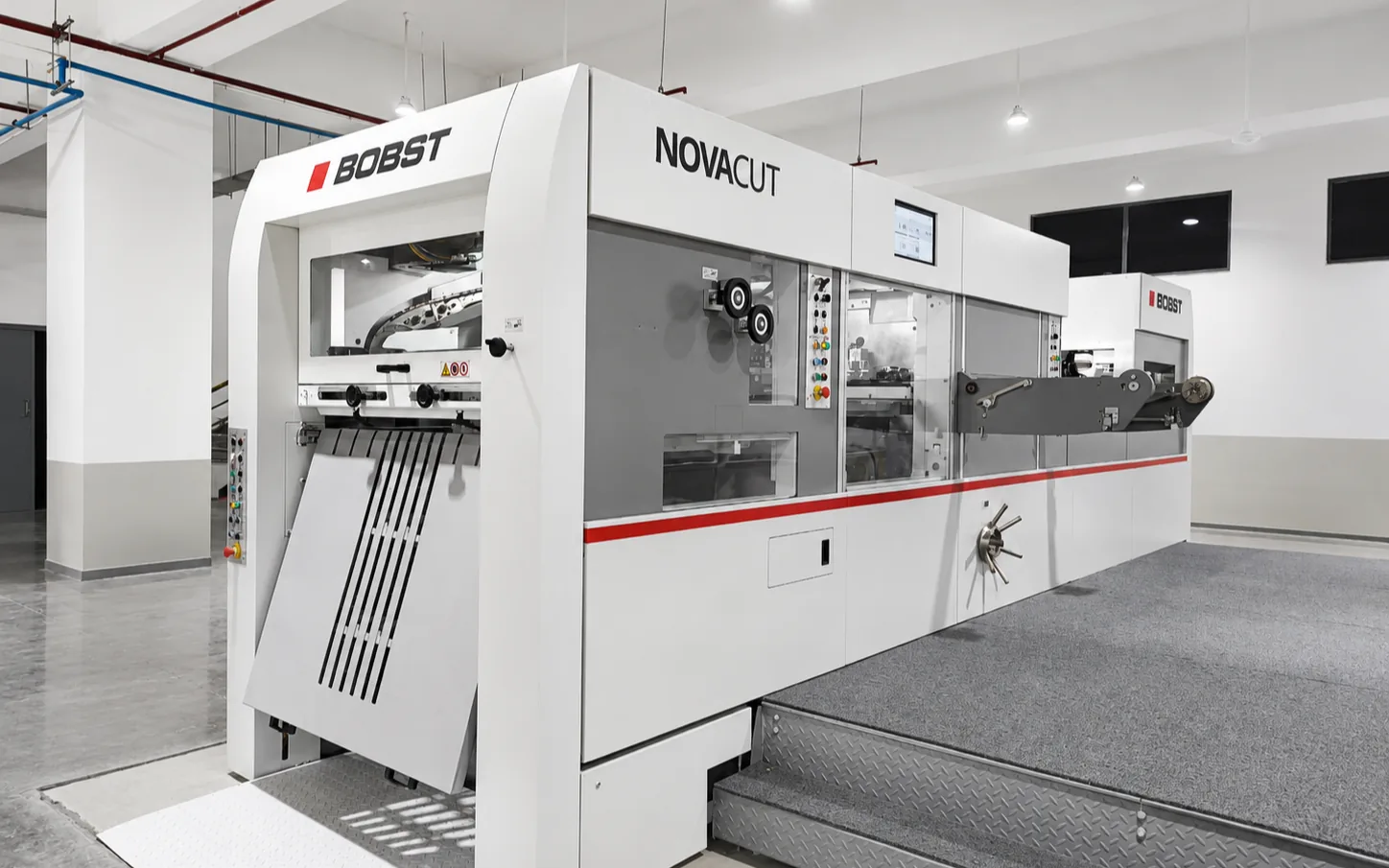
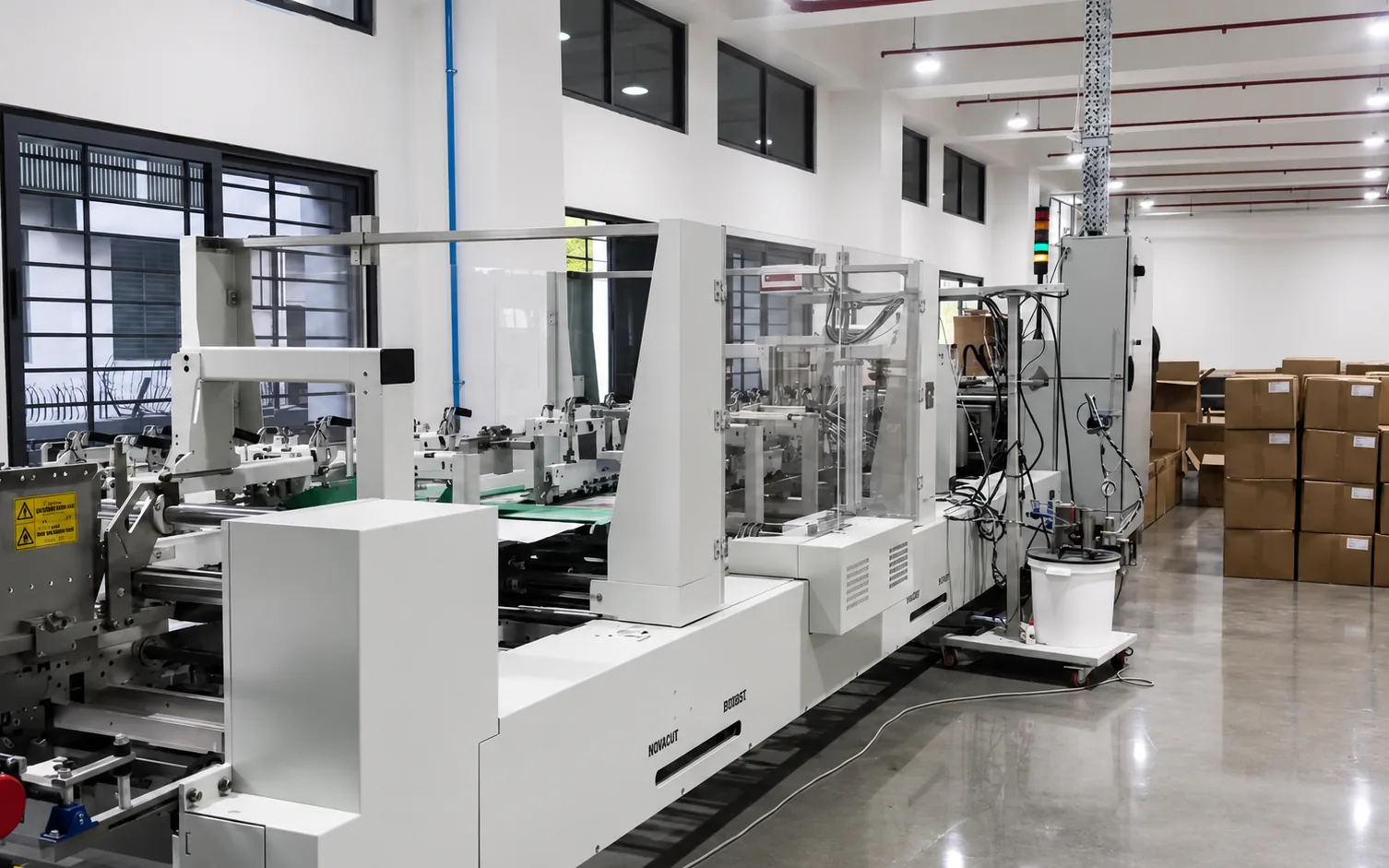
Same board, same press, same lead time, with a different base or top.
Glued at both ends rather than one, for a carton filled and sealed inline and never reopened.
See the structure: Seal endThe tuck top that usually sits over this base, and the family the tuck top auto bottom belongs to.
See the structure: Tuck boxesThe lighter alternative: a tucked base, and a front panel with nothing crossing it.
See the structure: Straight tuck endA locked base is a second glue operation running at line speed, on scores that were pre-broken a station earlier. The folder gluer, the die cutter and the press behind them are all in one plant, so the base of a repeat order matches the first.
The plant: machinery and facility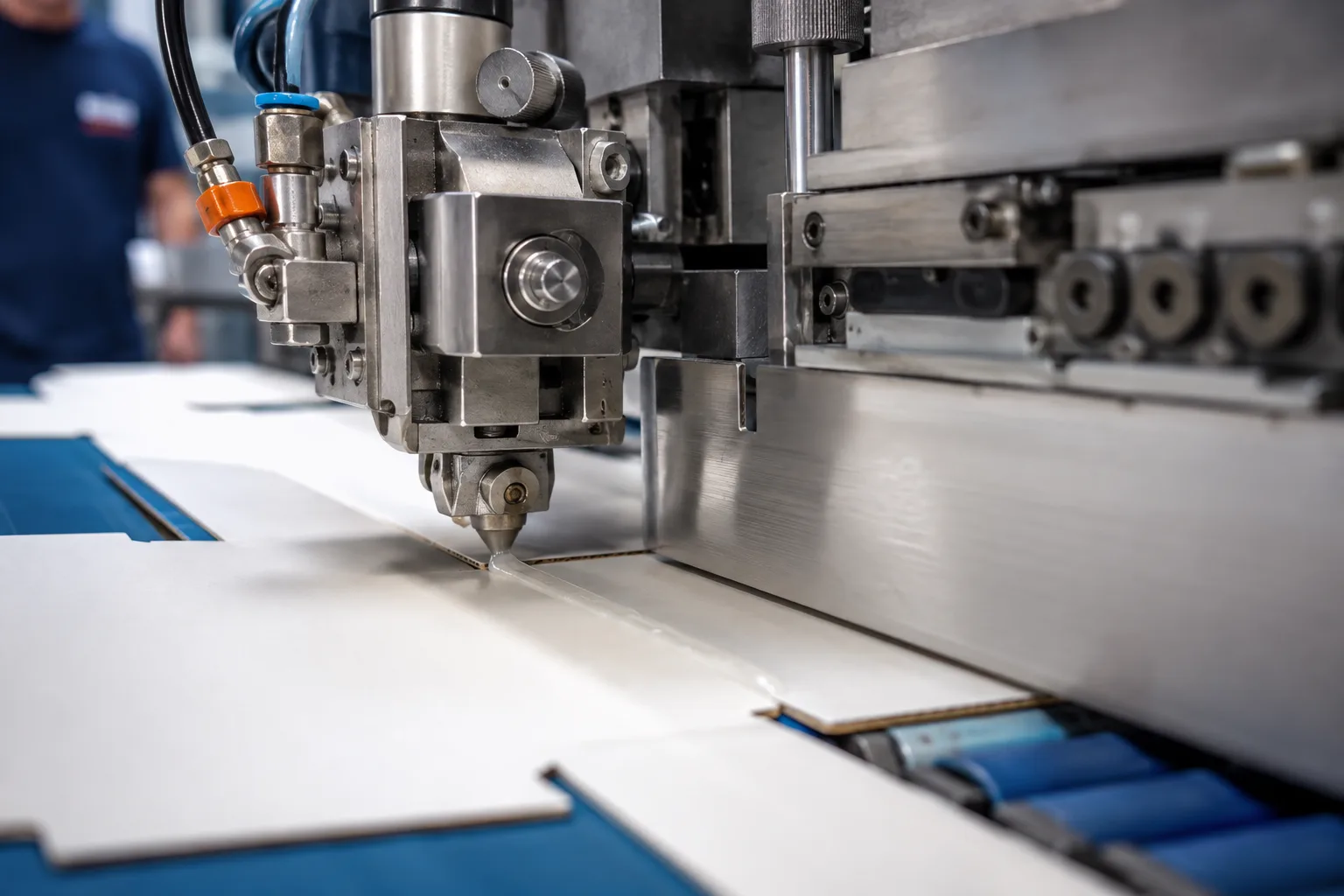
An auto lock bottom box is a carton whose base panels are pre-glued flat at the plant and lock into a square base in one motion as the carton is opened out. There is nothing to fold and nothing to tape at the bottom. The base is finished before the carton reaches you, and squaring the body closes it.
There is none. Auto lock bottom and crash lock are two names for the same structure, and auto bottom is a third. If your current supplier calls it a crash lock bottom, it is this.
More than a tuck bottom of the same board, because the base is several thicknesses of glued board rather than one folded flap, and the load runs into the panel walls instead of onto the middle of a flap. What a specific carton holds is measured. Box compression is one of the six physical tests run on every production run here, against the stacking requirement for your own storage and transit conditions.
Choose an auto lock bottom when the pack is filled at moderate speed and the buyer has to open it and close it again. Choose a seal end when the carton is filled and glued shut inline and never reopened, because a glued end carries a higher stacking load than a locked one and gives tamper evidence by destruction. Where the product is heavy and sealed, the two are combined: a seal end top over an auto bottom.
It arrives flat, in counted master cases on palletized skids. Squaring the carton pushes the four base panels against each other along their diagonal scores and laps them into a locked base, which happens as one motion whether a hand or a cartoner is doing it. Nothing is folded afterwards and nothing is taped.
Yes. Send one flat and one erected if you can, because the base lock is easier to read square than folded. The structure is measured, board and caliper matched, and color matched to your existing standard under D65 and TL84 viewing conditions. Most switching programs are matched from a sample rather than rebuilt from a specification.
Last reviewed
The base is specified against what goes in the carton, not its size. Send the product or the filled pack and the structure comes back with a prototype to load on your own line before tooling is cut. A packaging planner replies within one business day.