Straight tuck end
Opened once or twice. Both flaps to the rear, and the front panel left unbroken for the graphic.
See the structure: Straight tuck endFOLDING CARTONS
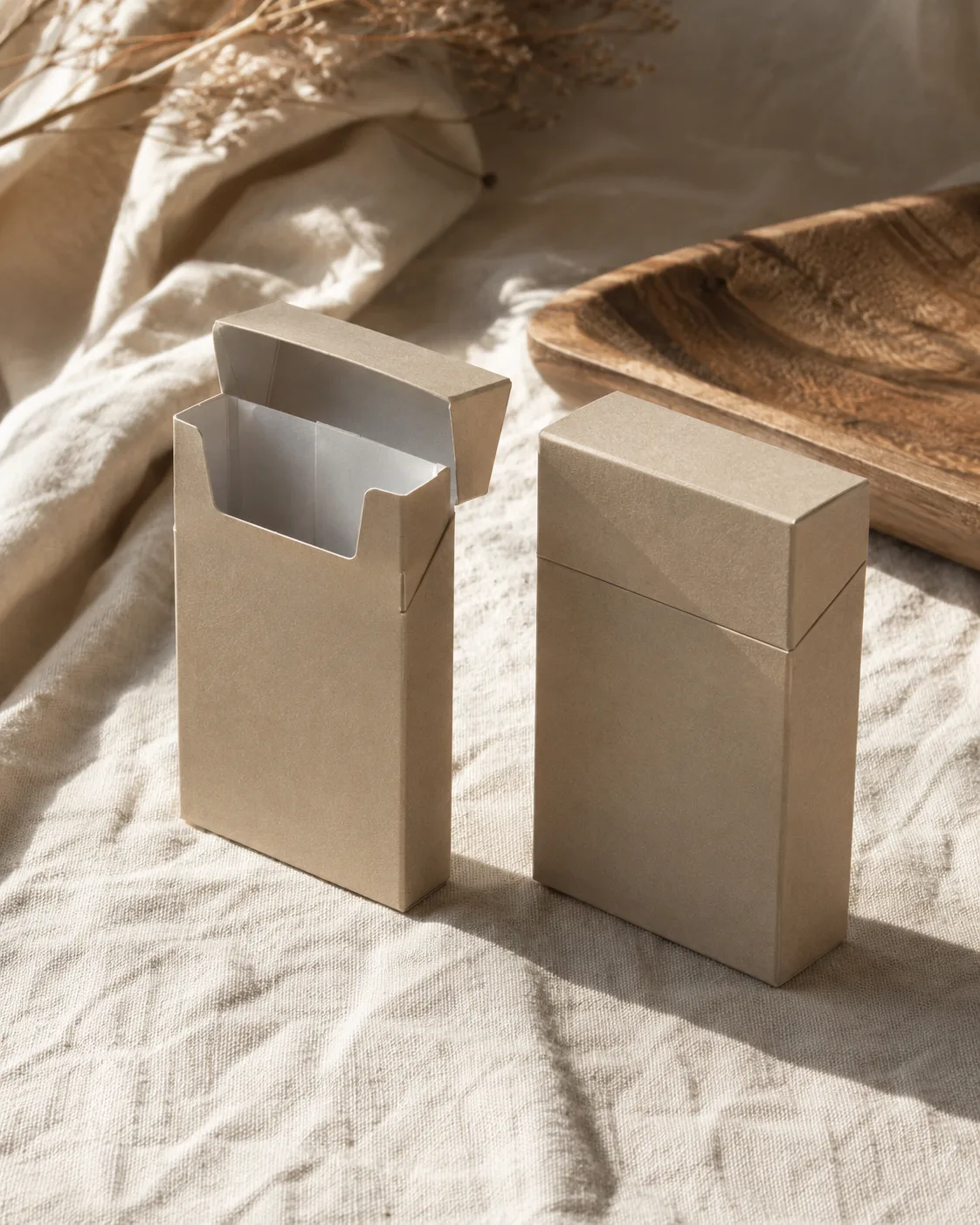
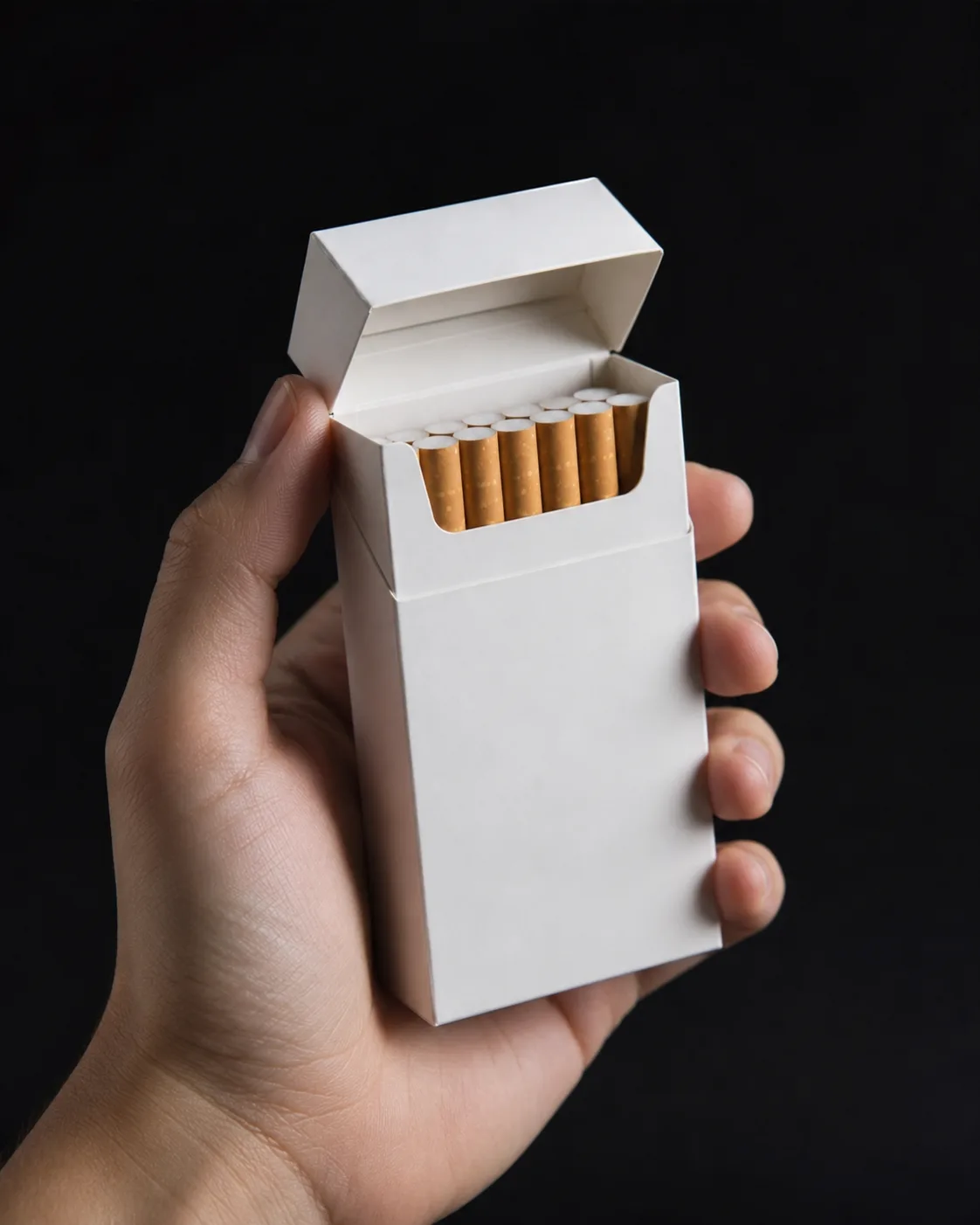
A hinge lid box is a folding carton whose entire top hangs off the back panel as one piece and folds over in a single movement, held shut by a lip that tucks inside the front panel. The lid never comes off and there is nothing to lose.
It is the folding structure for a pack that is opened and closed dozens of times, which is why tobacco, pastilles and pocket goods use it.
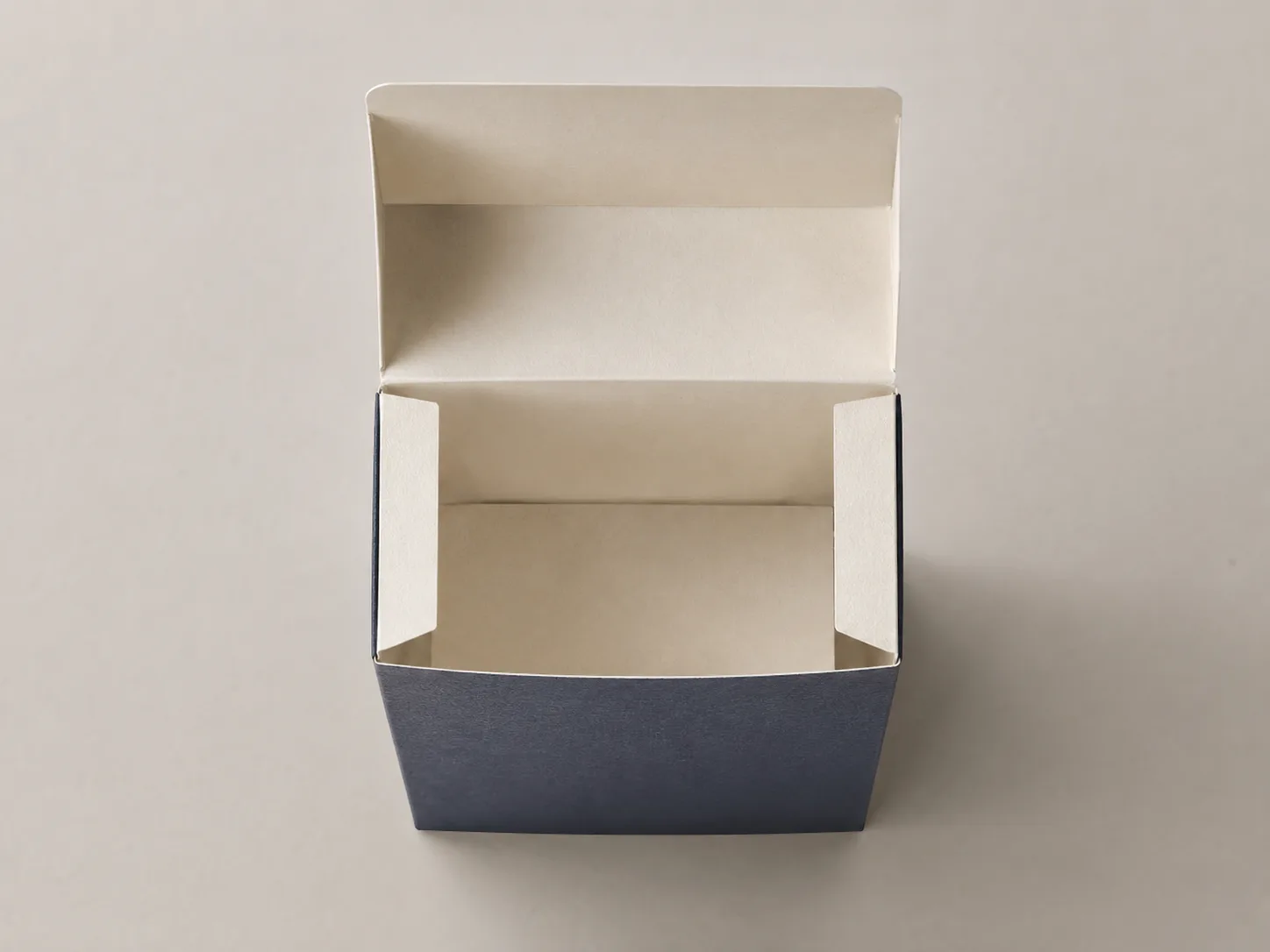
The body forms like any carton. Then read up the back of it: the lid top, the lid front, and the lip that tucks inside. Three panels in a chain, hinged off the back wall, folding over as one.
How a hinge lid box is made, in five steps.
Drawn to illustrate the structure. Your dieline is developed to your product, free, before you commit. The two long creases above the back panel are the lid chain.
Ask for a structural designTwo beats for the body, two for the lid. The four walls come up, then the lid comes over and its lip tucks in. Nothing is separate and nothing is applied: the lid is the same sheet of board as the back panel it hangs from.
The lid works as a hinge. A tuck flap is unfolded and refolded every time, and board worked at one crease weakens at that crease. A hinge lid pivots on a scored line and pushes on a lip, which board takes far better.
A hinge lid box has a step in it, the shoulder, and most briefs leave it out.
The dust flaps at the top of the side panels fold inward and stay there. The lid does the closing; the flaps give the lid something to land on. Without them the lid front has nothing to register against and the pack closes differently every time. With them the lid seats on a defined edge and closes with a click.
The shoulder also holds the mouth of the carton open, so the walls cannot draw in and the lip keeps lining up with the front panel after forty openings. In tobacco the format is named after this step.
A tuck flap is refolded every time it is closed. A hinge pivots, and board takes that far better.
A lid that cannot come off changes the pack commercially, structurally and in the hand.
On a pack carried in a pocket or a bag, a separate lid gets lost. Everything the pack needs to close is attached to it, so the format suits products used over weeks.
A lid that stands back at rest puts its inside face in front of the buyer at every opening. Printed, it is the most-seen panel on the pack, and cheap to add because it prints on the same sheet in the same pass.
It opens the way a rigid hinged box does, and most buyers do not tell the two apart by construction. It does this in folding board, at folding board freight.
This structure sits between the two it is usually compared with, so all three are set side by side.
| Hinge lid carton | Tuck end carton | Rigid hinged box | |
|---|---|---|---|
| The lid | Attached, one piece with the back panel | A flap tucked into the carton | Attached, on a fabric or board hinge |
| Reclosing | Pivots on a score and seats on a lip | Refolded at the same crease each time | Pivots, and stays open where it is put |
| Opened how often | Dozens of times, by design | Once or twice | Dozens of times |
| Ships | Flat, glued | Flat, glued | Assembled. The case is mostly air |
| Offset on the board, inside and out | Offset on the board, inside and out | Offset on a wrap, with a turn-in at every edge | |
| Tooling | One cutting die | One cutting die | A die, a former and a wrapping setup |
| Specify it when | The pack is kept and reopened, and freight matters | The pack is opened once at the point of use | The wall thickness itself is the product |
A hinge lid carton is the folding alternative to a rigid hinged box: one board thickness rather than a wrapped chipboard wall, at a fraction of the freight.
Tobacco is the category the format is named in, and it is where the specification is most exacting: a pack opened twenty times a day for a week, carried against other objects, and judged each time it is opened.
The same requirement turns up wherever a pack is used slowly. Pastilles, lozenges and mints. Loose leaf tea and small-format coffee. Chewing gum in the formats that are not blistered. Small tools, drill bits, guitar strings and craft components. Cosmetics refills. What they share is the need for a lid that still works on the fortieth opening.
What varies between them is the closure tension. A pack that lives in a pocket wants a firmer lip than one that lives in a drawer, and a pack whose contents are dispensed one at a time wants a lid that stands back further than one that is opened and shut. Both are set at structural design, and a prototype settles both in about ten seconds.
The board grade matters more here than on a single-use carton. A crease that is worked repeatedly needs a board that creases cleanly without cracking along the fold, and that is decided by grade before caliper.

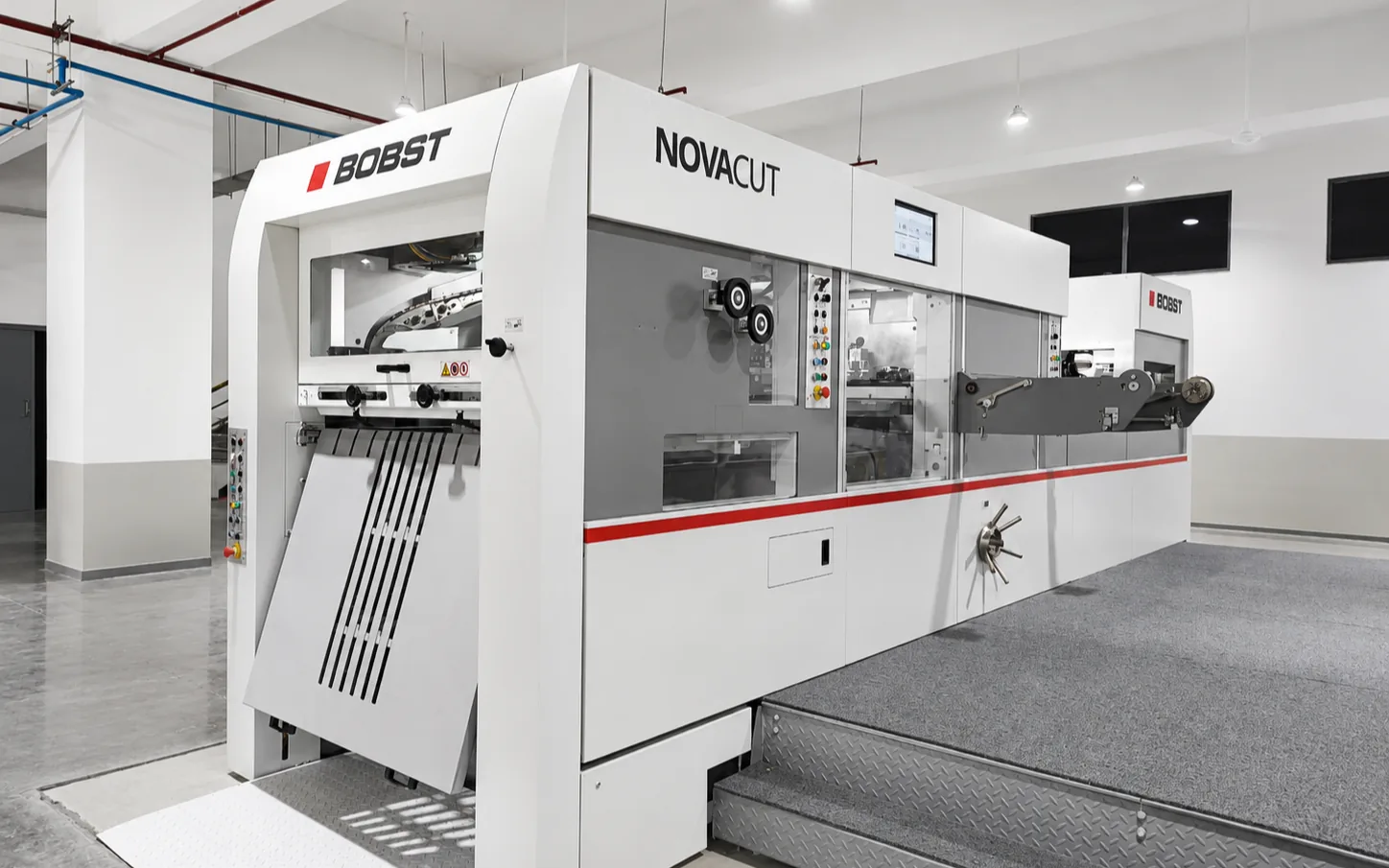
Whether a hinge lid still closes well after a month depends mostly on the creasing. A score for a fold made once differs from one that has to pivot repeatedly, and it is set on the Novacut. Samples are opened and closed against a count before a run is released.
Cartons here are made on bulk production runs, and the cost per carton falls as the run grows, because plates, tooling and make-ready are fixed per run rather than per carton. A quote is priced against the volume you are planning. Landed pricing typically runs 20 to 30 percent below comparable US supplier quotes for the same specification. The quote is one landed price: the cartons, tooling, structural design, proofing, the documents that travel with the order, import duty, shipping and delivery to your address, in the US or anywhere else. Nothing is quoted on top of it later.
Three structures that answer the same brief differently, depending on how often the pack is opened and what is holding it shut.
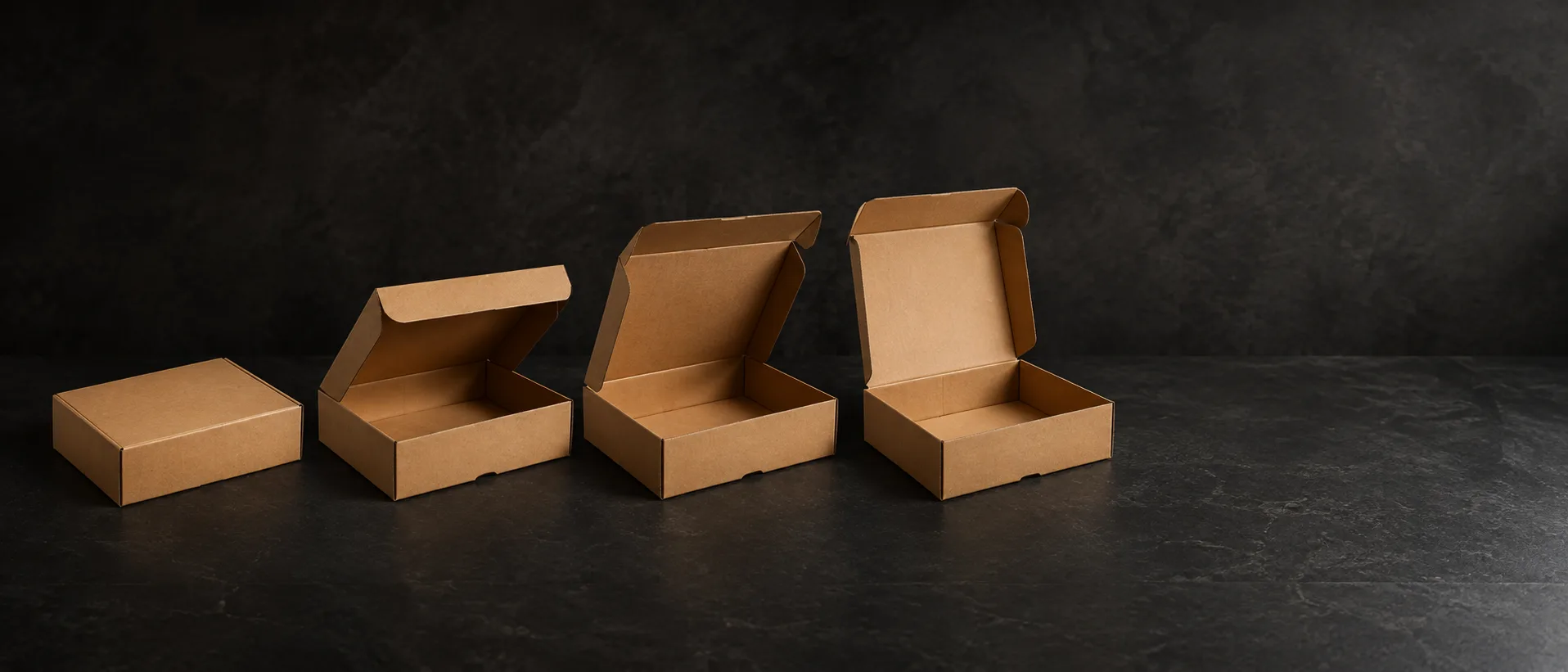
Opened once or twice. Both flaps to the rear, and the front panel left unbroken for the graphic.
See the structure: Straight tuck endA slow opening in two pieces, where the slide is part of the pack.
See the structure: Tray and sleeveA deep tray with a doubled rim, for the packs that are lifted rather than flipped.
See the structure: Six corner trayA hinge lid box is a folding carton whose entire top hangs off the back panel as one piece and folds over in a single movement, held shut by a lip that tucks inside the front panel. The lid is part of the same blank, so it cannot come off and there is nothing to lose. It is also called a flip top carton, a hinged lid carton or a shoulder box.
A tuck end closes by refolding a flap into the carton, at the same crease, every time. A hinge lid pivots on a score and seats on a lip, which is a movement board handles far better over repeated use. On a pack opened once there is no difference. After forty openings the tuck flap is soft and the hinge is not.
The dust flaps at the top of the side panels, folded inward and left there. They give the lid front a defined edge to seat on, and they hold the mouth of the carton open so the walls cannot draw in toward each other. Without them the lip stops lining up with the front panel after the pack has been opened a number of times.
It opens the same way but is built differently. A rigid hinged box is chipboard formed and wrapped in a separately printed sheet, with a wall a hand notices; a hinge lid carton is one thickness of printed folding board. The folding version gives the same movement and the same reclosing at a fraction of the freight, because it ships flat and a case of rigid boxes is mostly air.
No, though tobacco is where the format is named and where the specification is hardest. The same structure is specified for pastilles and mints, loose leaf tea, gum, small tools and components, and cosmetics refills. In each case the pack is kept and reopened.
It depends where the pack lives. A pack carried in a pocket wants a firmer lip than one that sits in a drawer, and a pack dispensed one item at a time wants a lid that stands further back at rest. Both are set at structural design and a physical prototype settles them in about ten seconds, so one comes back before any tooling is committed.
Yes. Send a carton that has been opened a few times, because the lip tension after handling is what we are matching, not the tension when new. The structure is measured, board and caliper matched, and color matched to your existing standard under D65 and TL84 viewing conditions. Most switching programs are matched from a sample rather than rebuilt from a specification.
Last reviewed
A hinge lid is judged on the fortieth opening, which a drawing cannot show. Send the product, say where the pack lives and how often it gets opened, and a prototype comes back to work before anything is tooled. A packaging planner replies within one business day.